Japan Successfully Tests Reusable Rocket Technology
Japan's space agency just achieved a major milestone in rocket technology, successfully launching and landing a reusable prototype that could slash the cost of space exploration. The breakthrough puts Japan one step closer to competing in the cost-cutting revolution transforming the global space industry.
Japan just joined the exclusive club of nations mastering reusable rocket technology, a game-changing innovation that makes space more accessible and affordable for everyone.
The Japan Aerospace Exploration Agency (JAXA) launched its prototype rocket from a test site in Noshiro, Akita Prefecture on Saturday. The rocket climbed about 10 meters into the air, hovered for roughly 40 seconds, and then safely touched back down exactly where it started.
"Now that the prototype has taken off and landed without problem, I must say I feel a great sense of relief," said Takashi Ito, who led the launch team. His words capture years of dedicated work finally paying off in one successful 40-second flight.
The test might sound modest, but it represents a giant leap for Japan's space ambitions. Most rockets today are designed for just one trip, with expensive components either burning up in the atmosphere, crashing into the ocean, or floating as debris. That single-use approach makes every launch extraordinarily costly.
Reusable rockets flip that model on its head. By recovering and refurbishing the most expensive parts, especially the first-stage booster, space agencies and companies can dramatically cut launch costs. That means more frequent missions, more scientific research, and more opportunities to explore beyond Earth.
JAXA officials are now reviewing flight data to confirm every detail of the test's success. Ito expressed confidence that the team "obtained very useful data" to guide future development.
The Ripple Effect
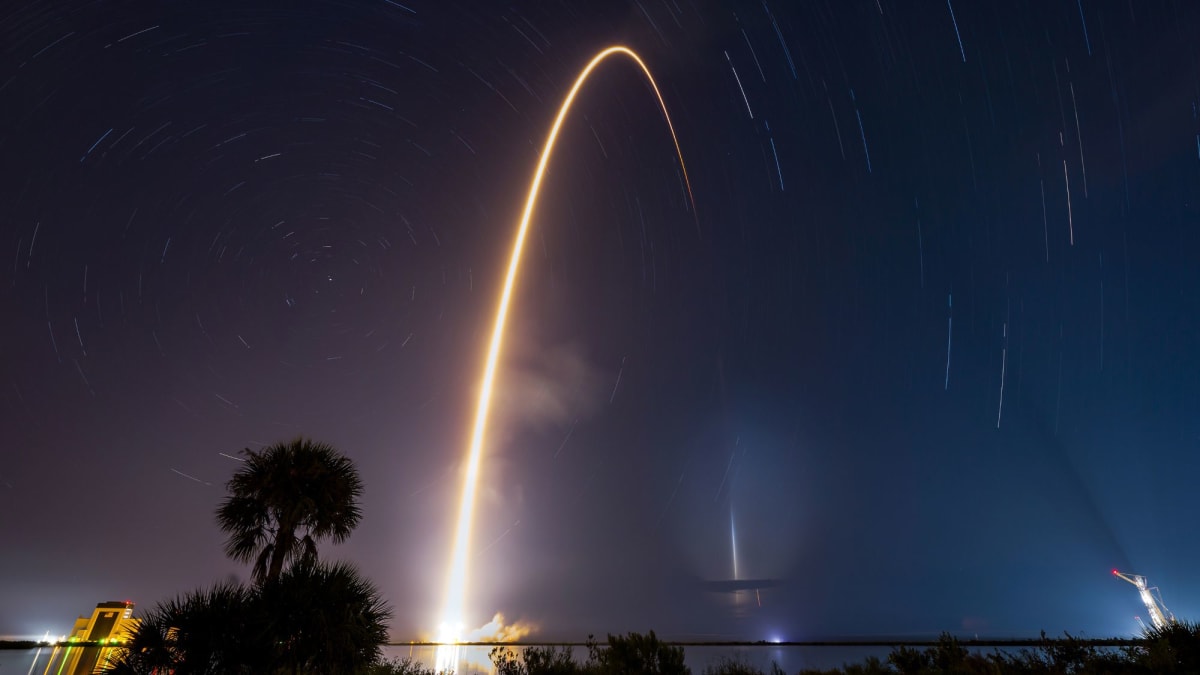
Japan's achievement comes at an exciting moment for global space innovation. SpaceX has been operating reusable Falcon 9 rockets since 2017, proving the technology works at scale. China just completed its first successful reusable rocket landing on Friday, demonstrating how quickly this technology is spreading.
Even Japanese private industry is joining the race. Last June, a Honda subsidiary became the first Japanese company to successfully launch and land a reusable rocket, showing that both public and private sectors are committed to advancing the nation's space capabilities.
This competition drives progress for everyone. As more countries and companies master reusable rocket technology, launch costs will continue dropping, opening space exploration to smaller nations, research institutions, and innovative startups that couldn't afford traditional rockets.
For Japan specifically, this test marks crucial progress in boosting its rocket industry's global competitiveness. The country's flagship H3 rocket successfully launched in June after learning from earlier setbacks, proving that persistence and innovation are propelling Japan's space program forward.
Every successful test brings humanity closer to a future where accessing space is routine rather than extraordinary.
More Images
Based on reporting by Google: SpaceX launch success
This story was written by BrightWire based on verified news reports.
Spread the positivity!
Share this good news with someone who needs it