Japan Tech Firm Opens Quantum Computers to Universities
TOYO Corporation is making its two new quantum computers available to Japan's universities, startups, and researchers for free, accelerating the country's race toward 10 million quantum users by 2030. Instead of keeping the cutting-edge technology behind closed doors, they're opening the doors wide.
A Japanese company just decided that owning breakthrough technology means nothing if you don't share it with the people who need it most.
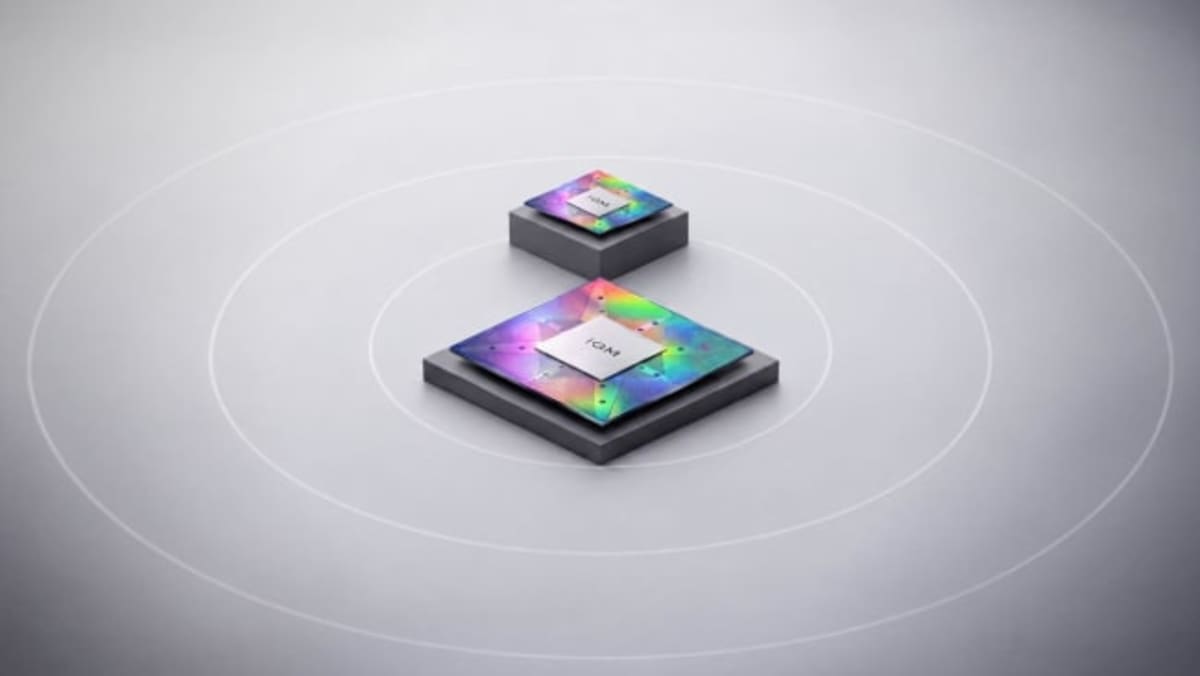
TOYO Corporation purchased two quantum computers from IQM Quantum Computers and announced they'll make both systems available to universities, research institutes, and startups across Japan. The first system, IQM Spark, will live at TOYO's research center in Tokyo, while the second, IQM Radiance 20, will be installed at a national technology center operated by Japan's Advanced Industrial Science and Technology institute.
Both machines will be operational in early 2027. Students and researchers will use them for everything from basic quantum education to testing advanced algorithms and validating new components under real operating conditions.
The decision directly supports Japan's ambitious national quantum strategy, which aims for 10 million domestic quantum users and 50 trillion yen in quantum-generated economic value by 2030. Those are massive goals that require more than just owning the technology. They require spreading it around.
"What makes this purchase matter isn't that TOYO bought a second system, it's what they're choosing to do with them," said Jan Goetz, CEO of IQM Quantum Computers. "TOYO is sharing the capabilities for educational purposes, opening it up to the universities, startups, and researchers who make up Japan's quantum ecosystem."
That approach stands in sharp contrast to keeping expensive technology locked away for private use only. When companies own quantum computers outright, they control who gets access. TOYO chose to extend that access as widely as possible.
The Ripple Effect
Japan isn't the only country racing to build quantum capability, but TOYO's approach could become a model for how to actually get there. Quantum computing requires trained talent, and you can't train people on machines they can't touch.
By 2027, Japanese computer science students will be able to work with real quantum systems instead of just reading about them. Startups testing quantum applications won't need to fly overseas or wait for remote cloud access. Researchers validating new technologies will have on-site testbeds at their fingertips.
TOYO President Toshiya Kohno put it simply: accelerating quantum adoption requires environments where people can gain hands-on experience with real quantum computers. The company will use the systems for its own quantum initiatives while supporting talent development and technology validation across Japan's broader ecosystem.
This marks IQM's continued expansion across Asia-Pacific, following earlier installations in South Korea and Taiwan. The Finnish company now has 26 full-stack systems sold globally and an order backlog exceeding 102 million euros.
Sometimes the smartest business decision is deciding your success depends on everyone else's success too.
More Images


Based on reporting by Google News - Japan Innovation
This story was written by BrightWire based on verified news reports.
Spread the positivity!
Share this good news with someone who needs it