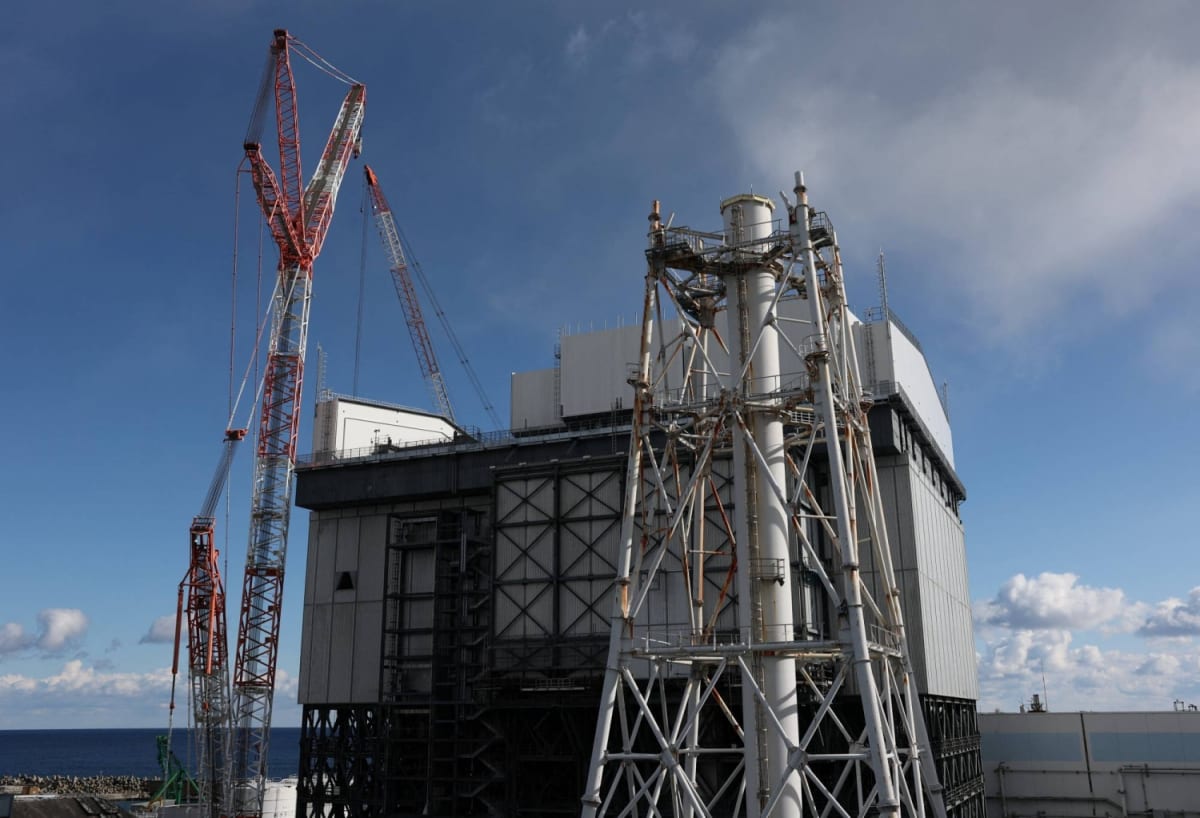
Japan Turns 14M Cubic Meters of Fukushima Soil Into Parks
Thirteen years after the Fukushima nuclear disaster, Japan is transforming millions of cubic meters of decontaminated soil into something beautiful: public flowerbeds and green spaces. The government just approved expanding the program to cities nationwide, proving that even environmental disasters can have second chapters.
Thirteen years after the Fukushima nuclear disaster, Japan is transforming millions of cubic meters of decontaminated soil into something beautiful: public flowerbeds and green spaces.
The Japanese government announced Tuesday it will begin reusing soil from the 2011 cleanup in regional cities across the country. Flowerbeds at government buildings in Sendai and Saitama will be the first to use the material outside of test projects in Fukushima itself.
This marks a crucial turning point for the massive cleanup effort following the earthquake and tsunami that triggered the meltdown at the Fukushima nuclear plant. About 14 million cubic meters of soil currently sit in storage facilities in the towns of Okuma and Futaba, waiting for a purpose.
Here's the breakthrough: roughly three-quarters of that soil has radiation levels low enough to be safely reused in public projects. Instead of storing it indefinitely or burying it permanently, Japan is giving it new life.
The program already started small last year, with the soil being used at the prime minister's office and 12 government buildings in Tokyo. Now it's expanding across the nation, turning a legacy of disaster into the foundation for parks and gardens where families will gather and flowers will bloom.
Chief Cabinet Secretary Minoru Kihara emphasized that reusing the soil is essential to meeting Japan's ambitious goal of completing final disposal by March 2045. The government is prioritizing public communication about safety, recognizing that transparency builds trust.
The Ripple Effect
This initiative does more than solve a storage problem. It demonstrates how communities can heal from environmental catastrophes through science, transparency, and patience.
The soil reuse program offers psychological closure for a nation still recovering from one of its worst disasters. By transforming contaminated material into something that grows life rather than storing it away as toxic waste, Japan is literally planting seeds of hope.
The approach also sets a global precedent for managing nuclear cleanup materials. Other countries watching Fukushima's recovery can learn that decontamination doesn't have to mean permanent isolation of every affected particle.
For the residents of Fukushima, seeing their soil contribute to beauty in cities across Japan represents acceptance rather than rejection. Their land isn't being treated as forever tainted but as capable of renewal and contribution.
By 2045, virtually all of this soil will have found new purpose in public works projects across Japan. Gardens will grow where disaster once struck, a living reminder that recovery is possible.
More Images

Based on reporting by Japan Times
This story was written by BrightWire based on verified news reports.
Spread the positivity!
Share this good news with someone who needs it
%2Fhttps%3A%2F%2Ftf-cmsv2-smithsonianmag-media.s3.amazonaws.com%2Faccounts%2Fheadshot%2FSara_-_Headshot_thumbnail.png)