Japanese Forest Method Takes Root in Mexico City
A Japanese reforestation technique that grows forests 10 times faster is transforming Mexico's concrete-heavy capital into green oases. The Miyawaki Method creates self-sustaining mini-forests that cool cities by up to 15°C.
In one of Mexico's most crowded neighborhoods, a 500-square-meter plot just became a thriving forest in record time, and the technique behind it is spreading hope across the capital.
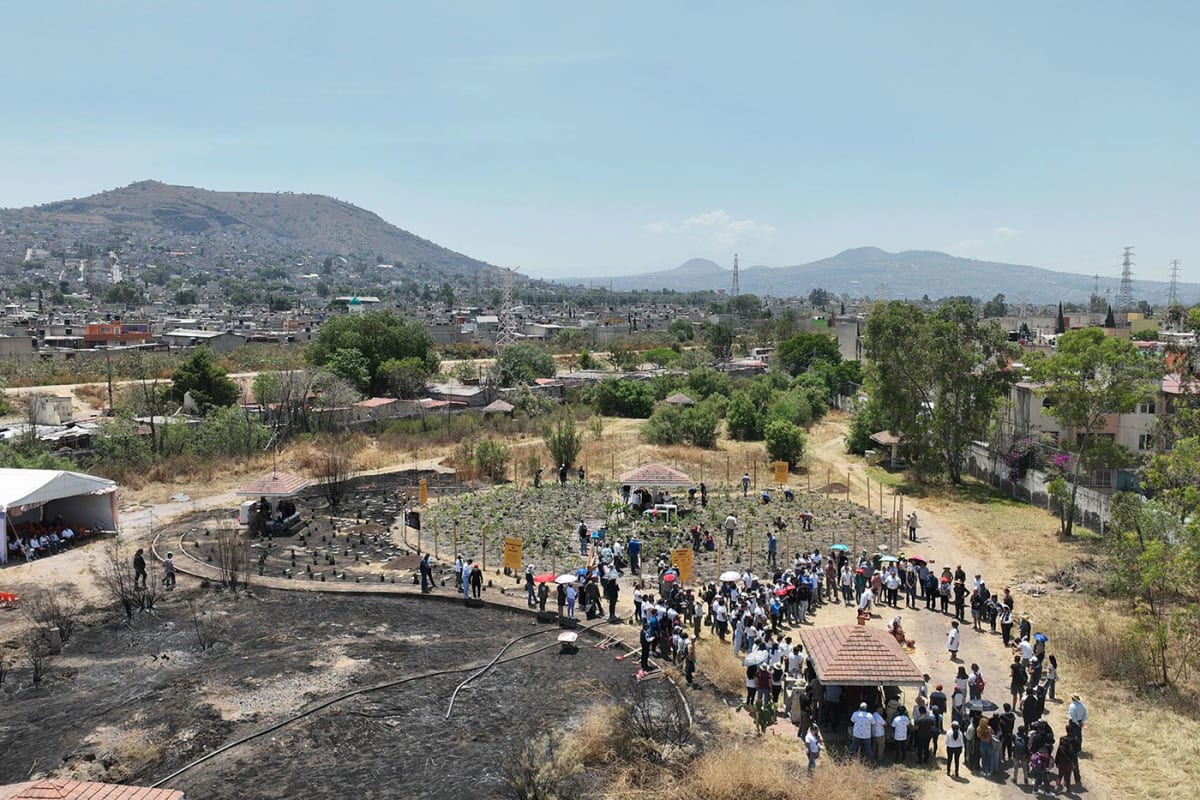
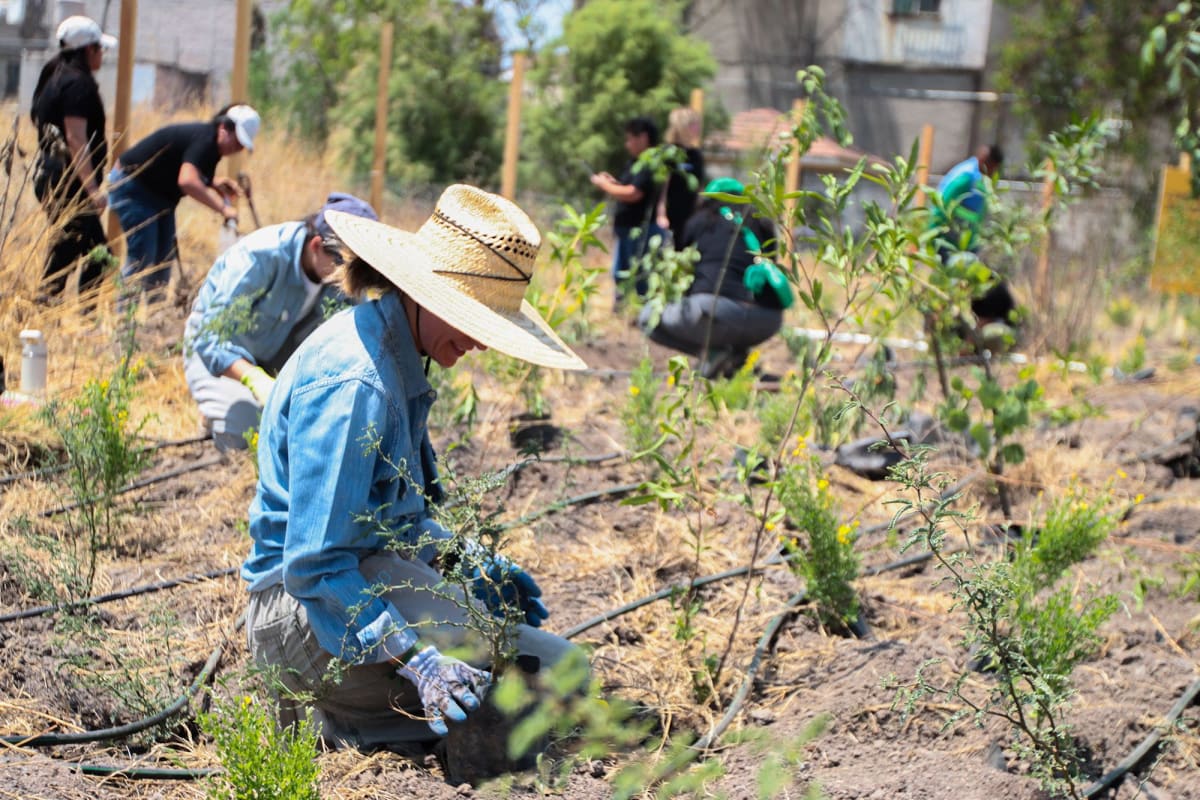
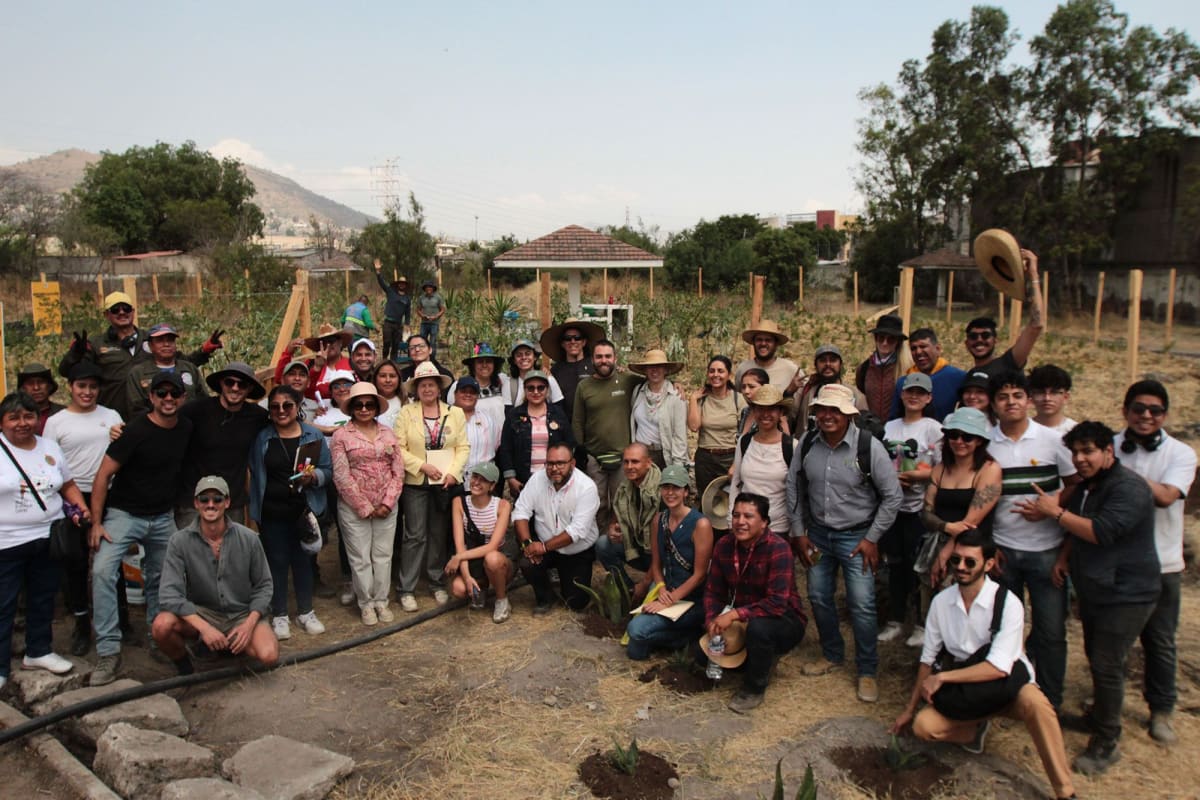
The Miyawaki Method, developed by Japanese botanist Akira Miyawaki in the 1970s, plants native trees so densely that they grow 10 times faster than normal forests. In May 2025, Mexico's first "Pocket Forest" opened at Nezahualcóyotl Technological University in an area starved for green space.
The project packed 1,500 native plants from 25 species into that small space, including oak trees, Montezuma cypress, and varieties of sage adapted to the salty soil left behind by ancient Lake Texcoco. Within just two to three years, these forests become completely self-sufficient, needing no pruning, fertilizers, or human care.
The secret lies in planting three to five seedlings per square meter, forcing them to compete for sunlight and grow upward fast. Workers dig deep into the soil, enriching it with organic materials and helpful microorganisms that let roots communicate underground.
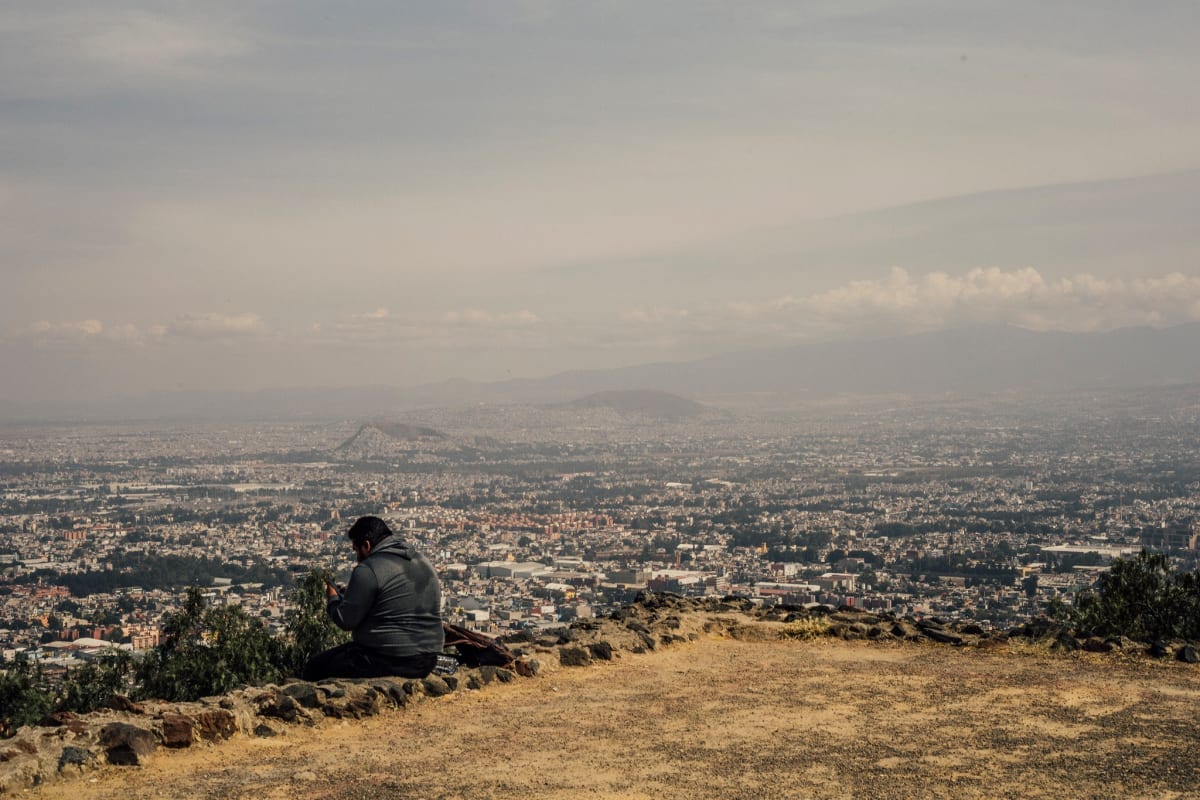
By July 2025, Mexico City's environmental department expanded the approach to Cerro de la Estrella through the "Huizachtépetl: roots for the future" project. They created fertility nests in eroded lands and treated over 30,000 existing trees to prepare for dense new plantings.
The results speak for themselves. These micro-forests capture far more CO2 per square meter than traditional plantings because they're 30 times denser. In urban areas like Nezahualcóyotl and Iztapalapa, mature micro-forests can drop local temperatures by up to 15°C on scorching days.
The forests also become 100 times more biodiverse than conventional plantings, attracting essential pollinators like bees and hummingbirds back to concrete-heavy neighborhoods. What would take nature 200 years happens in just 20.
A coalition of universities, NGOs, and government agencies is driving the movement. The international SUGi Foundation provides funding and technical design, while Mexico's Foresta AC handles local execution and species selection. Tech universities in Monterrey have launched similar "Tiny Forest" projects.
The Chilean organization Symbiótica brought crucial expertise after successfully creating dozens of Pocket Forests in Santiago, Concepción, and Valparaíso. Their experience adapting the method to challenging soil conditions made them perfect partners for Mexico's urban challenges.
The Ripple Effect
Beyond cooling neighborhoods and cleaning air, these forests are becoming outdoor classrooms where students study how plants communicate and ecosystems develop. University Rector Armando Alejandro Elizais calls them "actions with profound social impact" in communities that desperately need more green space.
In areas where asphalt dominated for decades, nature is making a dense, fast comeback.
More Images
Based on reporting by Google News - Reforestation
This story was written by BrightWire based on verified news reports.
Spread the positivity!
Share this good news with someone who needs it