
Japan's Female Leaders Share Hope 40 Years After Equal Work Law
Four decades after Japan passed its equal opportunity law, two pioneering women leaders are looking back at their struggles and forward to a brighter future. Their message to younger generations shows how far the country has come.
Two women who broke barriers in Japanese government are celebrating progress and calling for more change, 40 years after the country's equal opportunity law took effect in April 1986.
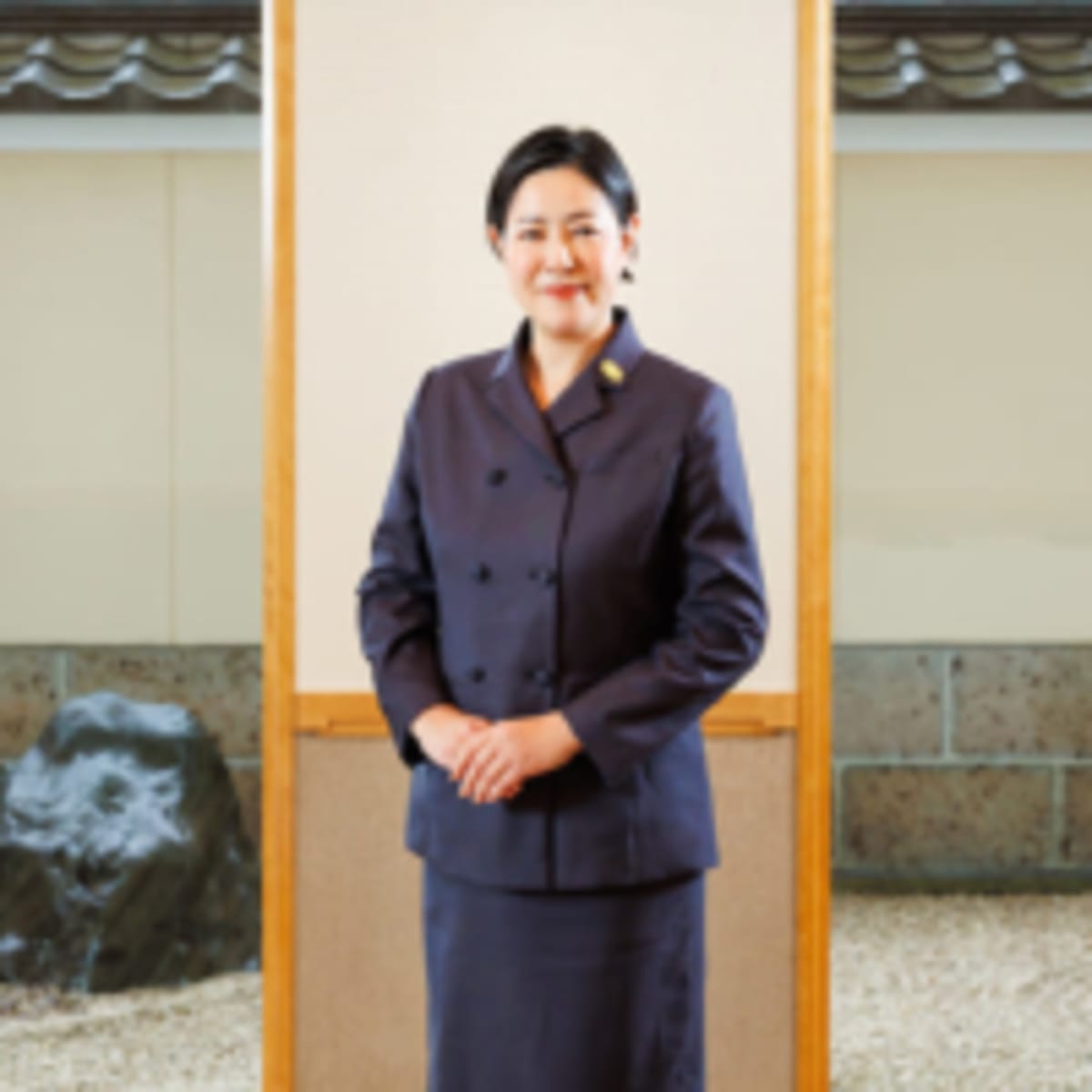
Tokyo Vice Governor Akiko Matsumoto, 60, and Riwa Sakamoto, 53, director-general of the Business Environment Department at the Small and Medium Enterprise Agency, shared their personal journeys navigating careers while raising families. Both women entered public service when workplace equality was more aspiration than reality.
Matsumoto joined the Tokyo Metropolitan Government in 1989, just three years after the law passed. At that time, the legislation only required employers to make efforts toward equal treatment. It didn't mandate it.
The two leaders reflected on balancing demanding careers with childcare responsibilities during an era when few women held senior positions. Their perseverance paid off as both rose to influential roles shaping policy for Japan's capital and its business sector.
But their stories aren't just about personal achievement. Both women emphasized that future generations deserve better than the struggles they faced.
They want young people to enjoy both fulfilling careers and rich family lives without having to choose between them. Their vision reflects a shift in thinking about work-life balance in a country known for demanding work cultures.
Why This Inspires
These leaders could have simply celebrated their own success. Instead, they're using their platforms to advocate for systemic change that will benefit others.
Their timing matters too. Japan faces demographic challenges as birth rates decline and the workforce shrinks. Creating workplaces where people can thrive professionally and personally isn't just good for individuals. It's essential for the country's future.
The fact that women who lived through inadequate protections are now in positions to strengthen those protections shows the power of persistence and representation.
With four decades of perspective, Matsumoto and Sakamoto prove that real change happens slowly but steadily when determined people refuse to accept the status quo.
More Images

Based on reporting by Japan Times
This story was written by BrightWire based on verified news reports.
Spread the positivity!
Share this good news with someone who needs it