Japan's H3 Rocket Launches Successfully After Quick Recovery
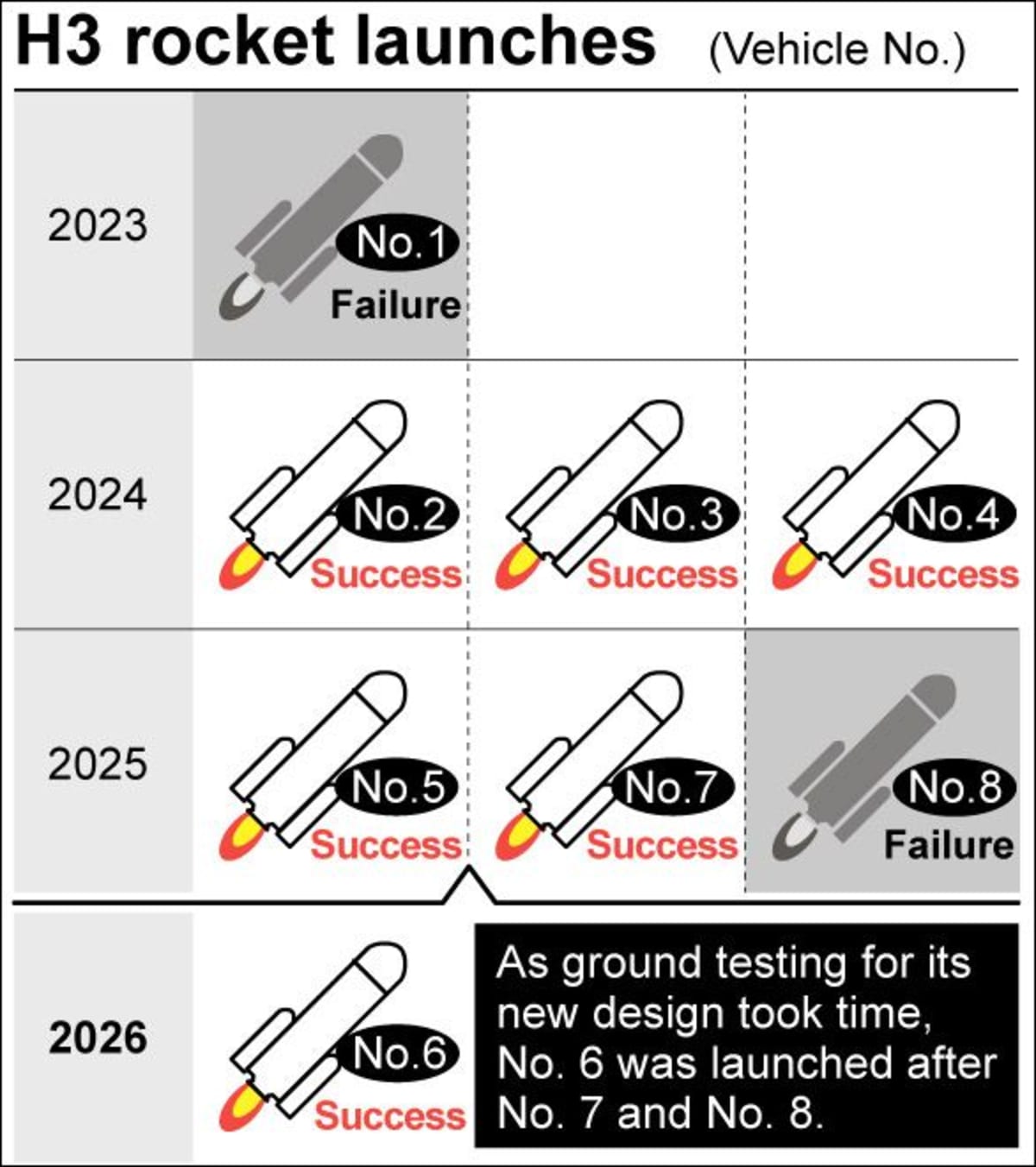
Japan's H3 rocket successfully launched six satellites just six months after a failure, marking the fastest recovery for the nation's space program. The achievement completes the rocket's development and positions Japan to compete globally in affordable space launches. ---
📺 Watch the full story above
Japan's space program just pulled off something remarkable: bouncing back from rocket failure in record time.
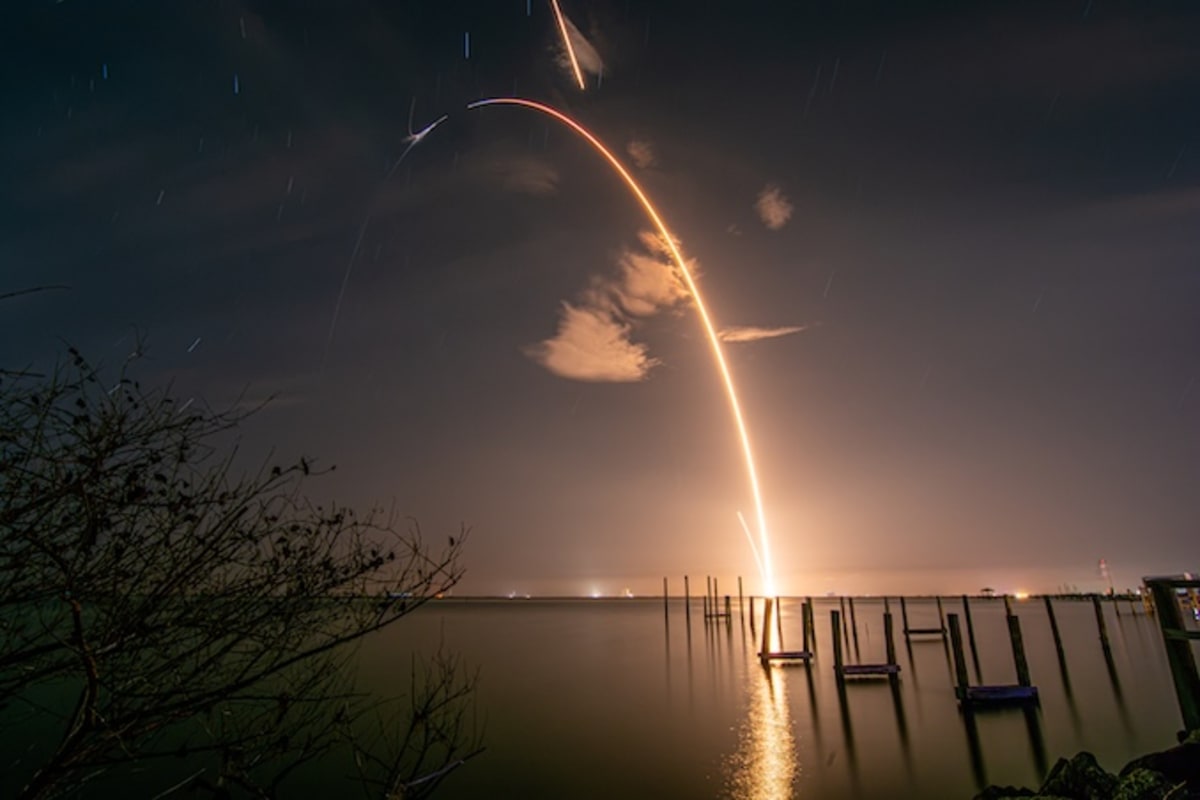
The H3 rocket successfully launched from Tanegashima Space Center on June 12, carrying six satellites into orbit and restoring confidence after a December failure. The 57-meter rocket lifted off at 9:53 a.m., marking Japan's fastest recovery from a flagship rocket failure ever.
The turnaround happened twice as fast as usual. Typically, resuming launches after a major failure takes about a year, but Japan's aerospace teams did it in six months.
The secret to the speedy recovery was identifying that the December problem wasn't a fundamental design flaw. Instead, a partial separation in the payload support structure during manufacturing caused the failure. Engineers fixed the defect, tested the repair, and got back to launching.
This flight had another purpose beyond proving the fix worked. The No. 6 vehicle completed testing of the "30 configuration," a design using three main engines but no side boosters, which emphasizes lower costs and flexibility.
The H3 rocket was developed to be cheaper and more versatile than its predecessor, the highly reliable H-2A, which retired after 50 successful flights. With three different configurations now tested and validated, the H3 is ready for prime time.
The psychological advantage helped too. Since this mission carried a dummy primary satellite for testing rather than an expensive government payload, the pressure was lower. "Compared to a standard mission, the psychological hurdle was lower, making it easier to use this flight to resume launches," a government source explained.
The Ripple Effect
This success means more than one good launch. Japan now has a confirmed, cost-effective rocket system ready to compete in the global space transportation market.
The 30 configuration's emphasis on affordability opens doors for more frequent launches, supporting everything from climate monitoring to navigation satellites. Japan's space program is transitioning from proving it can do something to actually doing it regularly.
The quick recovery also demonstrates something valuable beyond rockets: when teams identify problems accurately and fix them thoroughly, they can bounce back faster than expected. Six months ago, Japan faced a setback. Today, they've turned it into a launching pad for the future.
Japan's space program is officially ready for liftoff.
---
Based on reporting by Google: SpaceX launch success
This story was written by BrightWire based on verified news reports.
Spread the positivity!
Share this good news with someone who needs it