Japan's HTV-X1 Completes First Mission to Space Station
Japan's newest space cargo vehicle just wrapped up a perfect first flight, delivering supplies to astronauts and testing breakthrough technologies that could shape the future of space exploration. The HTV-X1 mission marks a major leap forward for JAXA's next generation of spacecraft.
Japan's space agency just achieved a flawless debut for its most advanced cargo spacecraft yet, opening new possibilities for long-term space missions.
The Japan Aerospace Exploration Agency (JAXA) announced Wednesday that its HTV-X1 spacecraft completed all planned missions successfully before burning up over the South Pacific on Tuesday. The vehicle represents a significant upgrade over previous models, capable of conducting experiments and observations at multiple altitudes long after delivering cargo to astronauts.
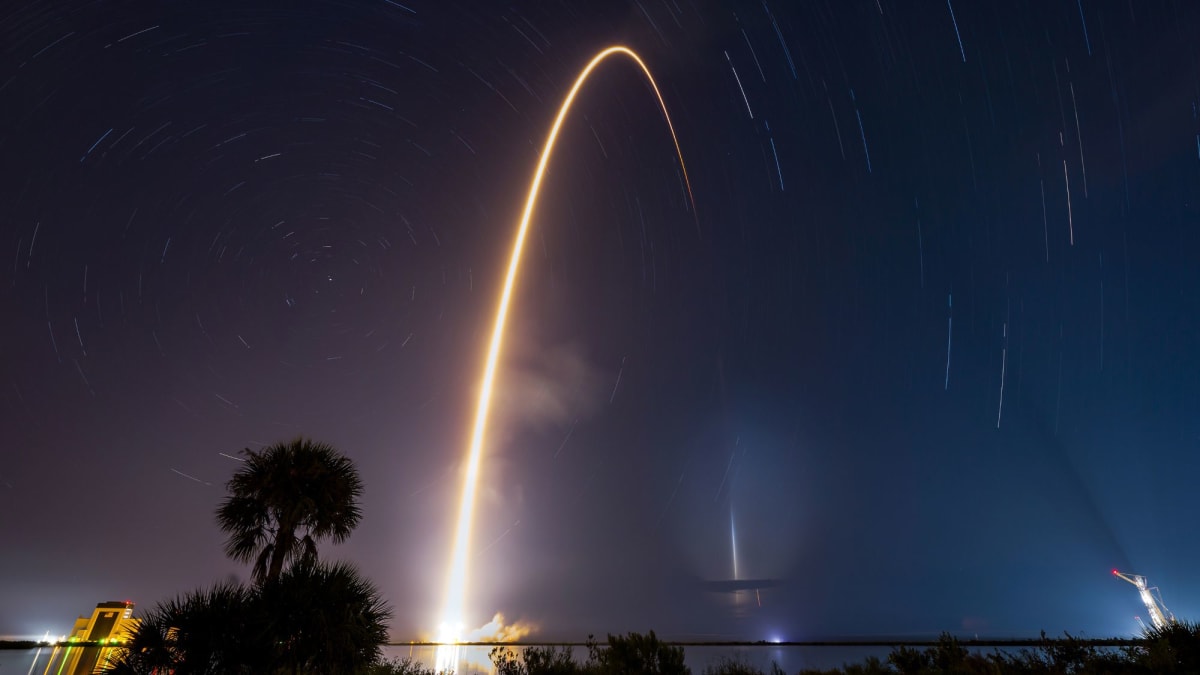
Launched aboard an H3 rocket last October, the HTV-X1 first delivered essential supplies to the International Space Station. But unlike its predecessors, this spacecraft didn't end its journey there.
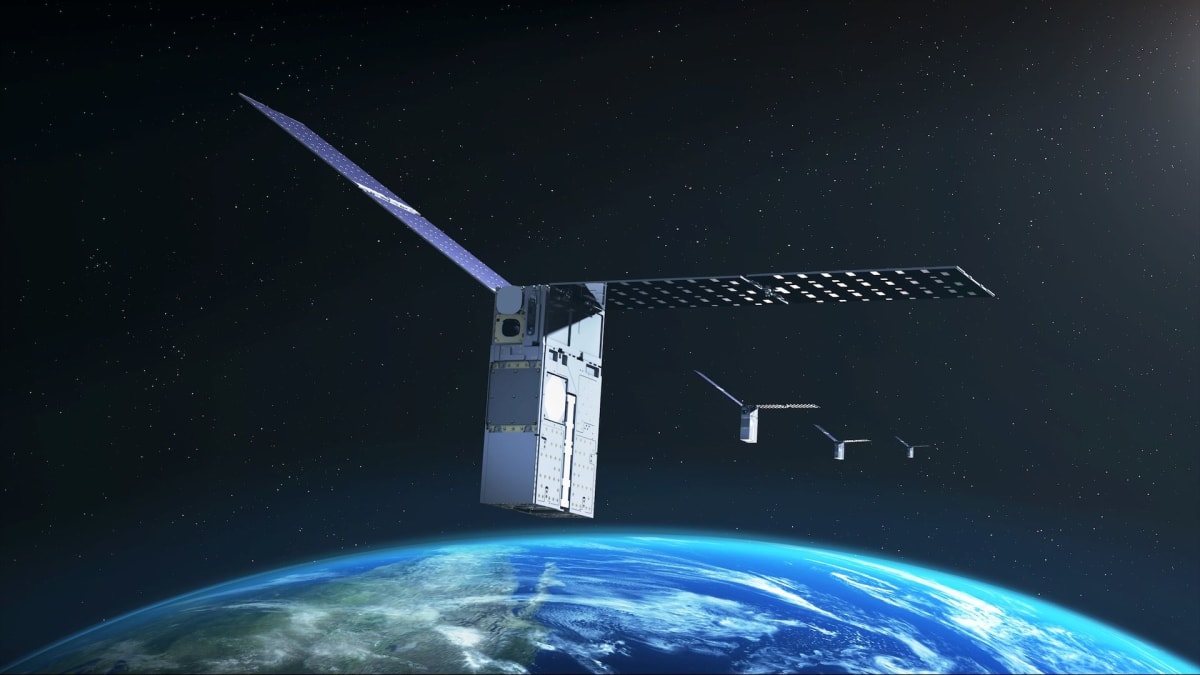
Starting in March, the craft began an extended mission phase that tested cutting-edge technologies. It released Ten-Koh 2, a microsatellite developed by Nihon University, giving student researchers a platform in orbit. The spacecraft also deployed experimental lightweight antenna panels and tested next-generation solar cells designed for future space missions.
Ground teams even fired lasers from Earth at three reflectors mounted on the spacecraft, gathering precise data about how the vehicle moved in space. These attitude fluctuation measurements will help engineers design more stable spacecraft for future missions.
"All planned missions succeeded and yielded valuable technological findings," JAXA project manager Norimasa Ito told reporters during an online briefing. His team's careful planning paid off with a mission that exceeded expectations.
The Ripple Effect
The HTV-X series represents more than just an upgrade to Japan's space delivery system. By extending missions beyond simple cargo runs, these spacecraft create mobile laboratories that can conduct experiments at different altitudes and conditions impossible to replicate on Earth or the space station alone.
The successful solar cell tests could lead to more efficient power systems for future satellites and deep space missions. The lightweight antenna panels might reduce launch costs by allowing more equipment to fit on each rocket. Even the microsatellite deployment gives university students real-world experience in space operations.
Japan now joins an elite group of nations with advanced resupply capabilities, strengthening international cooperation in space exploration. The HTV-X fleet will continue supporting astronauts aboard the ISS while pushing the boundaries of what cargo vehicles can accomplish.
This perfect first flight proves that innovation doesn't stop at the space station's doorstep.
More Images
Based on reporting by Japan Times
This story was written by BrightWire based on verified news reports.
Spread the positivity!
Share this good news with someone who needs it