Japan's ispace Books SpaceX Starship Ride to the Moon
A Japanese space company just reserved a spot on SpaceX's Starship to deliver hundreds of kilograms of cargo to the lunar surface by 2030. The partnership marks a major step toward making moon access affordable and routine for researchers and businesses worldwide.
Getting to the moon is about to become a lot easier for scientists, businesses, and explorers around the world.
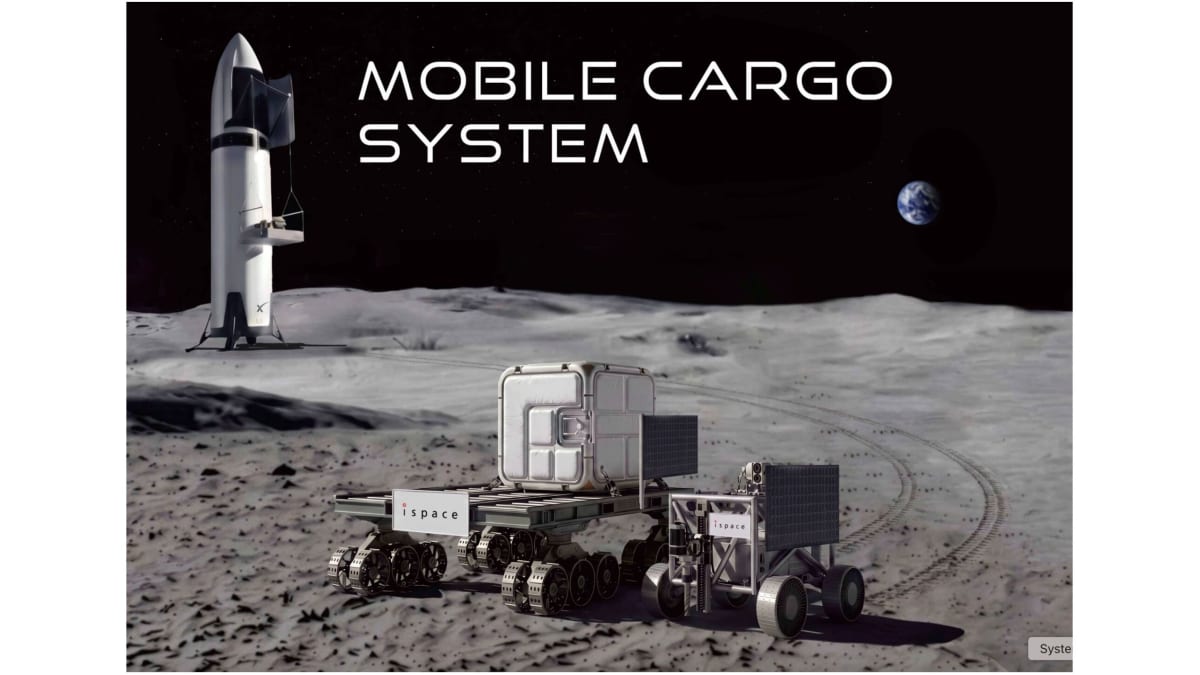
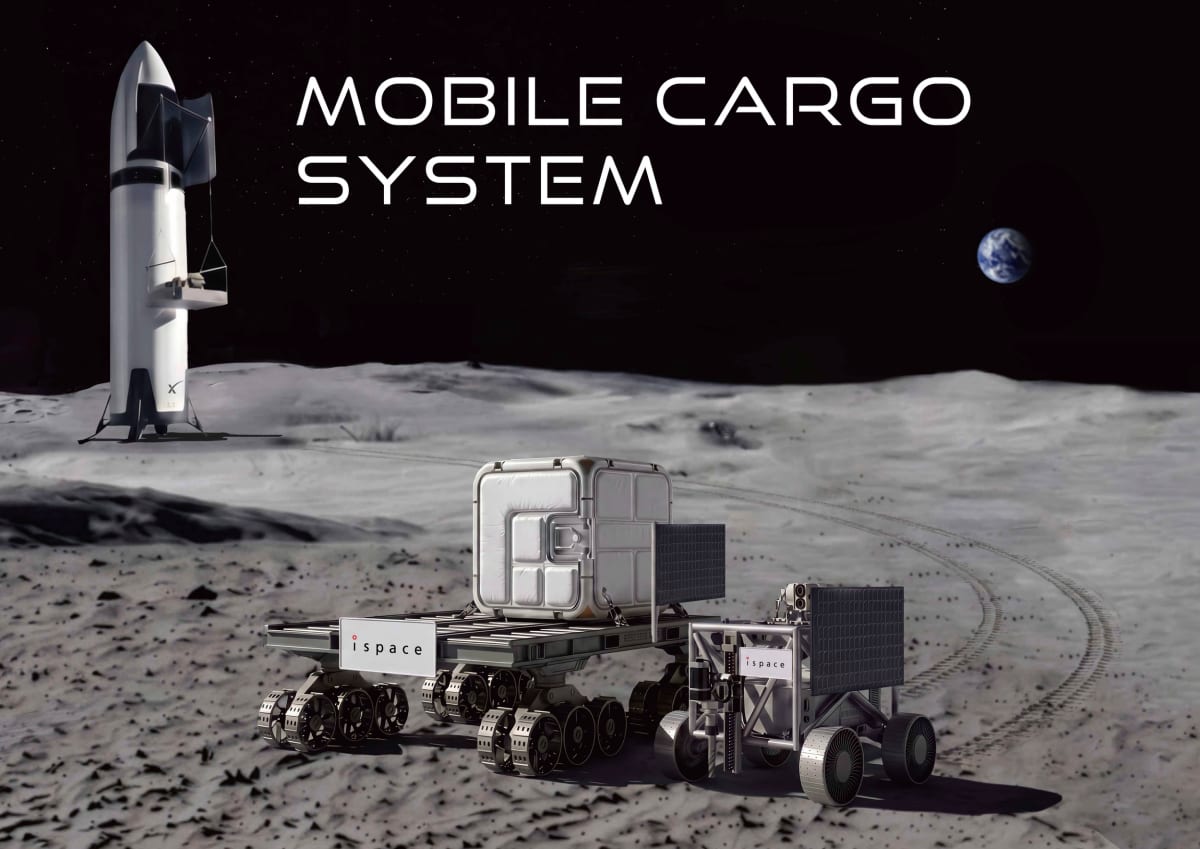
Japanese lunar exploration company ispace announced it's purchasing 500 kilograms of cargo space on a future SpaceX Starship mission to the moon, scheduled for no earlier than 2030. The company plans to develop a special Mobile Cargo System, essentially a rover that can carry customer payloads several kilometers away from where Starship lands.
The move represents a clever solution to a growing problem. While ispace has been developing its own smaller lunar landers, customers increasingly want to send larger equipment and experiments to the moon. By partnering with SpaceX's massive Starship vehicle, ispace can offer both options: smaller dedicated missions on their own landers and shared rides on Starship for heavier cargo.
"High-capacity, relatively low-cost lunar transport, such as that provided by Starship, is essential to realizing the sustainable lunar economy that ispace aims to create," said Takeshi Hakamada, the company's founder and CEO. The partnership transforms ispace from just a lander manufacturer into what they call a "lunar access integrator," serving as a gateway for customers worldwide.
The Mobile Cargo System will carry several hundred kilograms of customer payloads once its own weight is accounted for. Ispace plans to build the rover internally using technology from its European subsidiary, and Hakamada says no major technological breakthroughs are needed to make it happen.
This announcement comes as ispace continues developing its own fleet of lunar landers, despite setbacks. The company's first two landing attempts, in April 2023 and June 2025, ended in crashes. But they've unveiled a new improved design called Ultra, with three missions planned between 2028 and 2030.
The Ripple Effect
The timing couldn't be better. NASA recently announced plans for a lunar base in the moon's south polar region, where SpaceX will likely land. That means ispace's cargo service could help supply humanity's first permanent outpost on another world, delivering everything from scientific instruments to construction materials.
The partnership also strengthens the relationship between ispace and SpaceX, which has already launched two ispace missions on Falcon 9 rockets. "Their integration services provide a valuable pathway for smaller payloads to secure a ride to the moon today," said Stephanie Bednarek, SpaceX's vice president of commercial sales.
Ispace is even considering ways to expand the system to carry more than one ton of cargo on future missions.
The moon is getting closer, and the highway there is finally opening for business.
More Images


Based on reporting by SpaceNews
This story was written by BrightWire based on verified news reports.
Spread the positivity!
Share this good news with someone who needs it