Japan Books 1,100 Pounds on SpaceX Moon Mission by 2030
Japanese space company ispace just secured cargo space on SpaceX's Starship for a 2030 moon mission, bringing humanity closer to a sustainable lunar economy. The $50 million deal could open the door for regular deliveries to the moon's surface.
The moon is about to get a lot more accessible, and a Japanese company is leading the charge.
Tokyo-based ispace announced it has booked 1,100 pounds of cargo capacity on SpaceX's Starship megarocket for a lunar mission launching no earlier than 2030. The $50 million deal marks a major step toward making moon transport as routine as shipping packages across Earth.
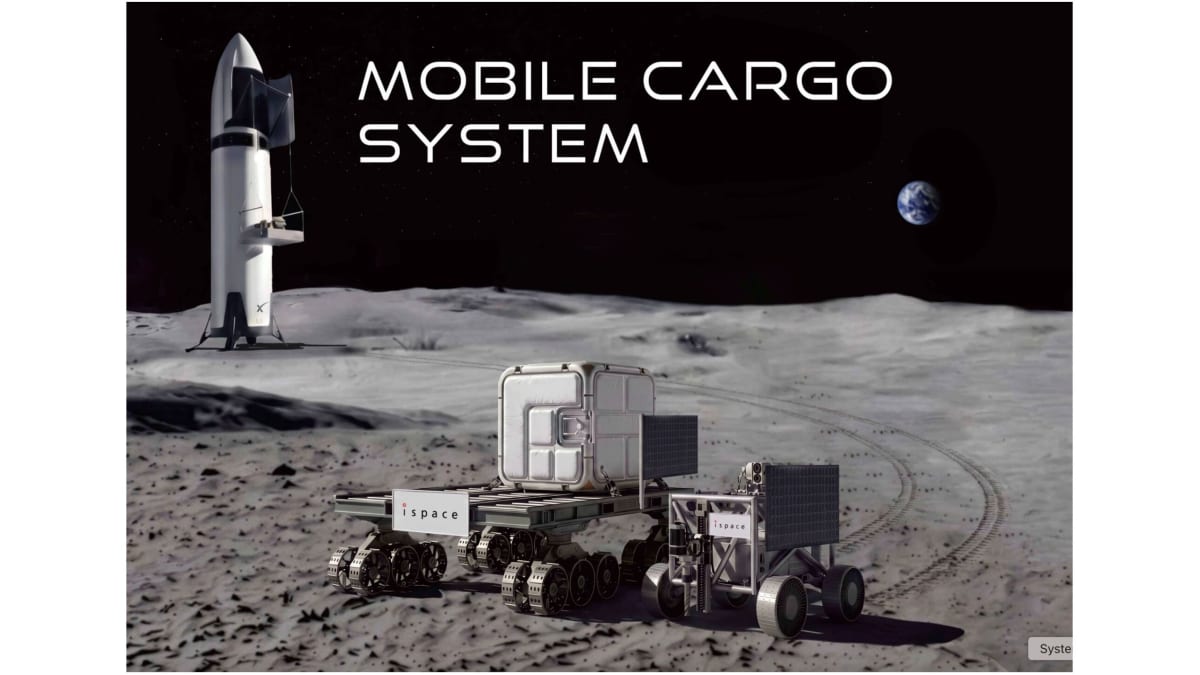
"High-capacity, relatively low-cost lunar transport, such as that provided by Starship, is essential to realizing the sustainable lunar economy that ispace aims to create," said company founder and CEO Takeshi Hakamada. The partnership could become a regular arrangement, with ispace using the giant rocket to ferry its new Mobile Cargo System to the lunar surface.
Think of the MCS as a flat rover built to haul supplies across the moon's dusty terrain. It can transport up to 1,100 pounds of cargo, potentially carrying everything from scientific equipment to construction materials for future lunar bases.
This isn't ispace's first rodeo with SpaceX. The company has launched two moon rover missions on Falcon 9 rockets, though both crashed during landing attempts. But setbacks haven't dampened their ambition or their vision for humanity's future beyond Earth.
Starship itself is the largest and most powerful rocket ever built, capable of launching 150 tons to low Earth orbit. SpaceX has completed 12 test flights, and momentum is building fast. NASA has already contracted Starship as the lunar lander for its Artemis IV mission in late 2028, when astronauts will return to the moon's surface for the first time in over 50 years.
Why This Inspires
The real story here isn't just about one cargo mission. It's about what becomes possible when space transport gets cheaper and more reliable.
ispace envisions a future where the moon has power grids, communication networks, and construction equipment. Once that core infrastructure exists, it becomes easier for the next wave of missions to succeed. Scientists, explorers, and entrepreneurs could all hitch a ride.
The company is also planning three additional lunar landing missions with its ULTRA Lander vehicle between 2028 and 2030. As demand grows, so will the cargo capacity of their Mobile Cargo System units.
What once seemed like science fiction is rapidly becoming science fact. Private companies are now booking moon deliveries the way businesses book freight shipments, and the infrastructure for a permanent human presence beyond Earth is taking shape.
The moon is opening for business, and humanity is finally ready to stay.
More Images
Based on reporting by Space.com
This story was written by BrightWire based on verified news reports.
Spread the positivity!
Share this good news with someone who needs it