Japan's Kyushu Bullet Train Fully Restored 52 Days Later
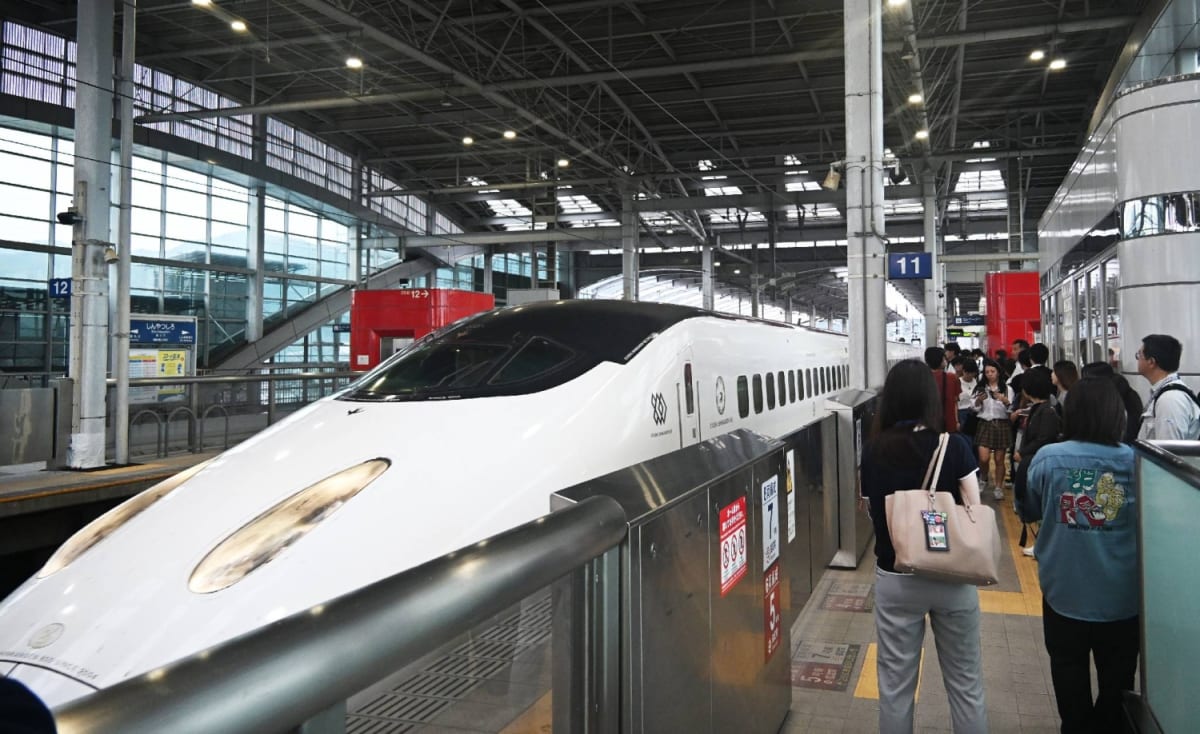
Just 52 days after a devastating magnitude 7 earthquake, Japan's entire Kyushu Shinkansen bullet train line is running again. Commuters celebrated the faster-than-expected recovery as the final damaged section reopened Friday.
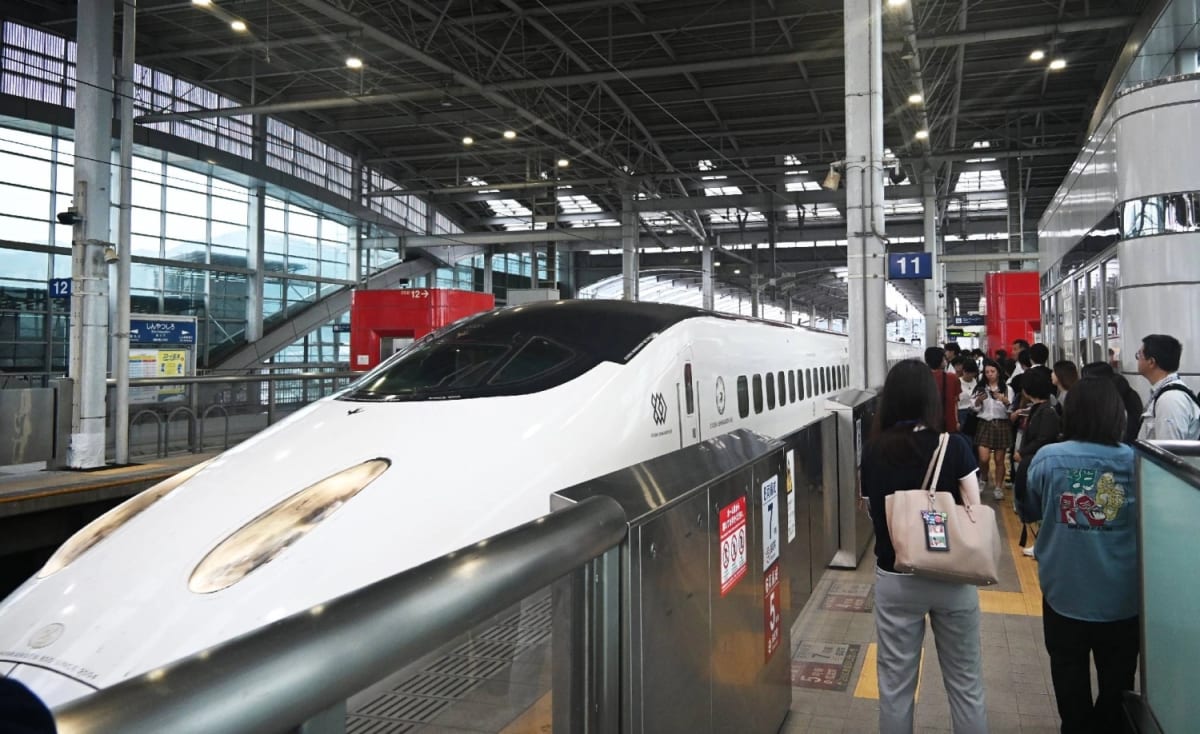
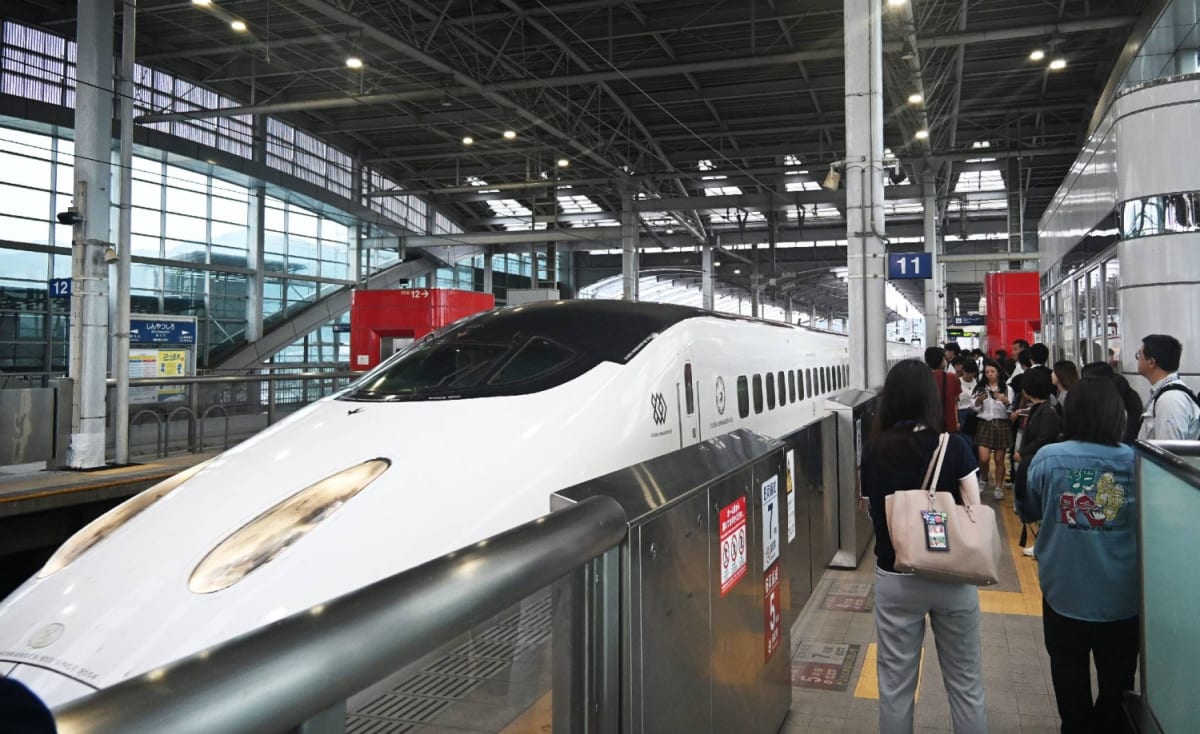
Passengers lined up before dawn Friday at Shin-Yatsushiro Station, eager to ride the newly reopened stretch of Japan's Kyushu Shinkansen bullet train line. The final section closed by July's massive earthquake was back in service, reconnecting communities split apart for nearly two months.
The magnitude 7 earthquake that struck Kumamoto Prefecture on July 28 was powerful enough to halt the entire high-speed rail line connecting Fukuoka to Kagoshima. Rails twisted, infrastructure buckled, and thousands of daily commuters suddenly faced hour-long detours.
But Japanese railway workers moved fast. Within three days, they restored service between Hakata and Kumamoto stations. Ten days after the quake, trains were running again between Shin-Minamata and Kagoshima-Chuo.
The hardest-hit section between Kumamoto and Shin-Minamata stations took longer. Workers discovered severe rail distortion and structural damage that required careful repairs. Now, 52 days after the earthquake, that final piece is complete.
Trains will run at reduced speeds of 70 kph through a 10-kilometer stretch near Shin-Yatsushiro Station while engineers monitor the repairs. That adds about eight minutes to travel time between Kumamoto and Kagoshima-Chuo, a small price for restored connectivity.
For 53-year-old corporate worker from Yatsushiro who commutes to Minamata, the news exceeded expectations. "The reopening was earlier than I had expected," he told reporters. "I'd like to express gratitude to those who worked hard for the restoration."
A 17-year-old student found an unexpected benefit in the restored service. His regular train line remains closed, so he switched to the Shinkansen for his commute to high school in Kumamoto. The faster bullet train means he can sleep in 30 minutes later each morning.
The Bright Side
This recovery showcases what resilient infrastructure and dedicated workers can accomplish. In less than two months, teams restored a critical transportation artery that serves thousands daily, reconnecting families, enabling commerce, and proving that even major earthquake damage doesn't have to mean long-term disruption.
The Kyushu Shinkansen carries more than just passengers. It carries hope that communities can rebuild quickly, that critical services can be restored, and that life returns to normal faster than fear suggests.
Commuters arriving at Shin-Yatsushiro Station Friday morning weren't just catching a train; they were witnessing the power of human determination to rebuild what nature breaks down.
More Images

Based on reporting by Japan Times
This story was written by BrightWire based on verified news reports.
Spread the positivity!
Share this good news with someone who needs it