Japan's Oldest Iron Saw Found Hiding in Plain Sight
A tiny iron saw sat unnoticed in storage for two decades before researchers discovered it's Japan's oldest known cutting tool, dating back 1,800 years. The accidental discovery is rewriting the timeline of advanced ironworking along Japan's ancient coastal trade routes.
Sometimes the biggest discoveries happen when you take a second look at what's been sitting on the shelf all along.
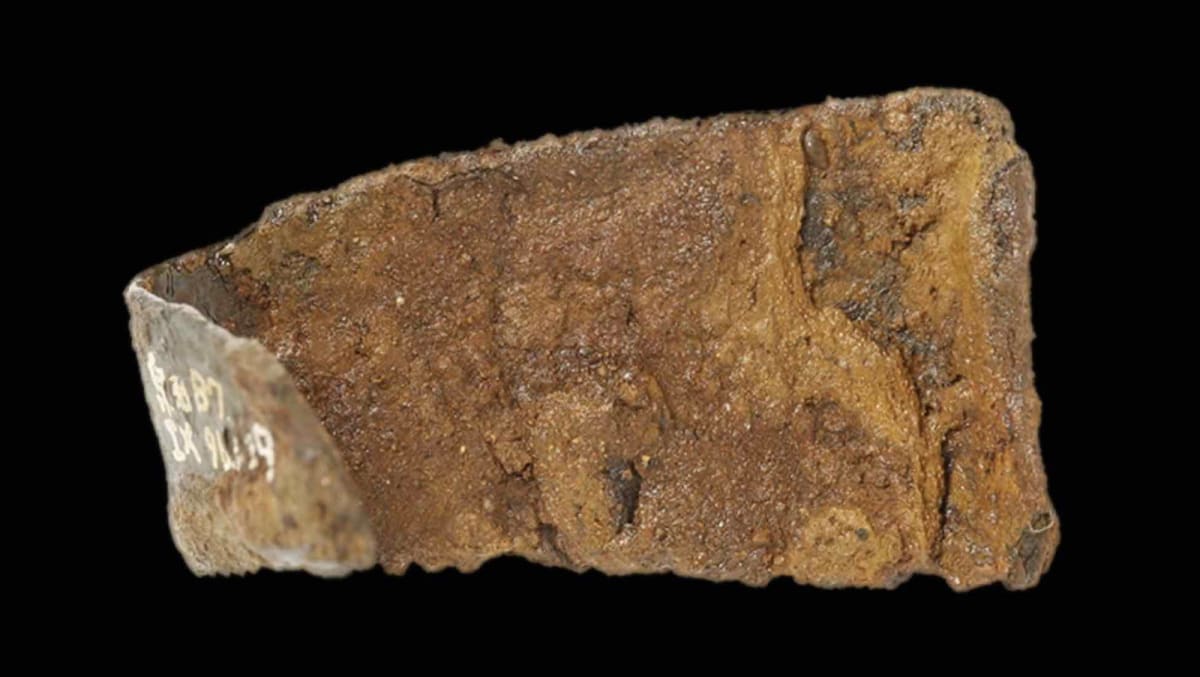
Researchers in Japan just identified a fragment of iron barely larger than a postage stamp as the country's oldest known saw, dating back to the 2nd or 3rd century. The remarkable part? It was excavated in the late 1990s but sat in storage for more than 20 years before anyone noticed the tiny teeth along its edge.
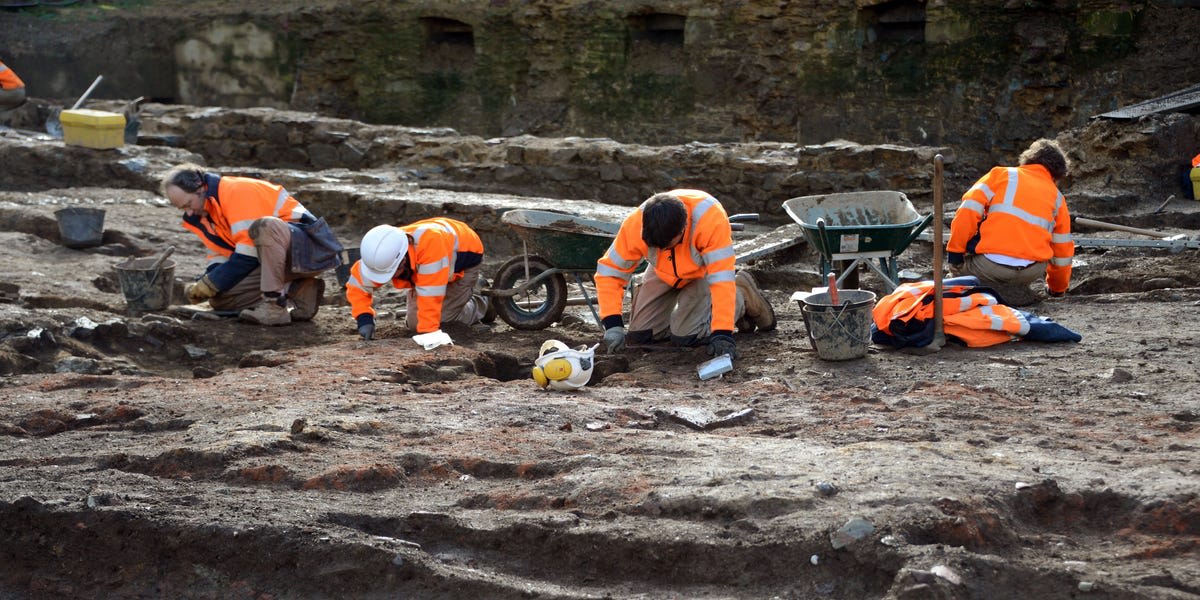
The fragment measures just over an inch and a half long with triangular teeth barely 3 millimeters deep. Workers at the Fukui Prefectural Archaeological Research Center spotted the serrations in 2021 while restoring artifacts from the Hayashi-Fujishima archaeological site. X-ray scans confirmed what their eyes had caught: this was a triangular saw, and it predated Japan's previous record holder by nearly a century.
The saw comes from the Yayoi period, a transformative era when Japan developed organized farming and distinctive keyhole-shaped burial mounds. Deputy Director Tomokatsu Uozu says the tool proves that sophisticated ironworking techniques had reached Japan's coastal communities much earlier than historians believed.
The technology likely traveled an impressive route. Ancient craftspeople in China developed similar saws using iron processing techniques that spread across the Korean Peninsula, then reached northern Kyushu before traders carried the knowledge along the Sea of Japan coast to Fukui.
The saw's bent tip suggests it was used for delicate work on wood or stone. When complete, the tool would have been five times longer than the surviving piece, making it a precision instrument for its time.
Why This Inspires
This discovery reminds us that history isn't fixed. Every artifact we've already found might hold secrets we haven't noticed yet, waiting for fresh eyes or new technology to reveal them.
The previous oldest Japanese saw came from a 3rd-century burial mound in Hyogo Prefecture. This new finding pushes that timeline back by up to 100 years, opening new questions about how quickly innovation spread through ancient Asia and how connected these early communities really were.
The Hayashi-Fujishima site has yielded stone tools, pottery, and distinctive beads alongside iron artifacts, painting a picture of a thriving settlement where craftspeople pushed the boundaries of their materials. What else might be hiding in museum collections, waiting for someone to look just a little closer?
Based on reporting by Google: ancient artifact found
This story was written by BrightWire based on verified news reports.
Spread the positivity!
Share this good news with someone who needs it