Giant Dinosaurs Nested 300 Miles Further South Than Known
Scientists discovered fossilized eggshells proving titanosaurs, some of Earth's largest dinosaurs, raised their young in surprisingly cool climates near the South Pole 70 million years ago. The finding reveals how these 75-ton giants adapted their parenting strategies to survive far from tropical warmth.
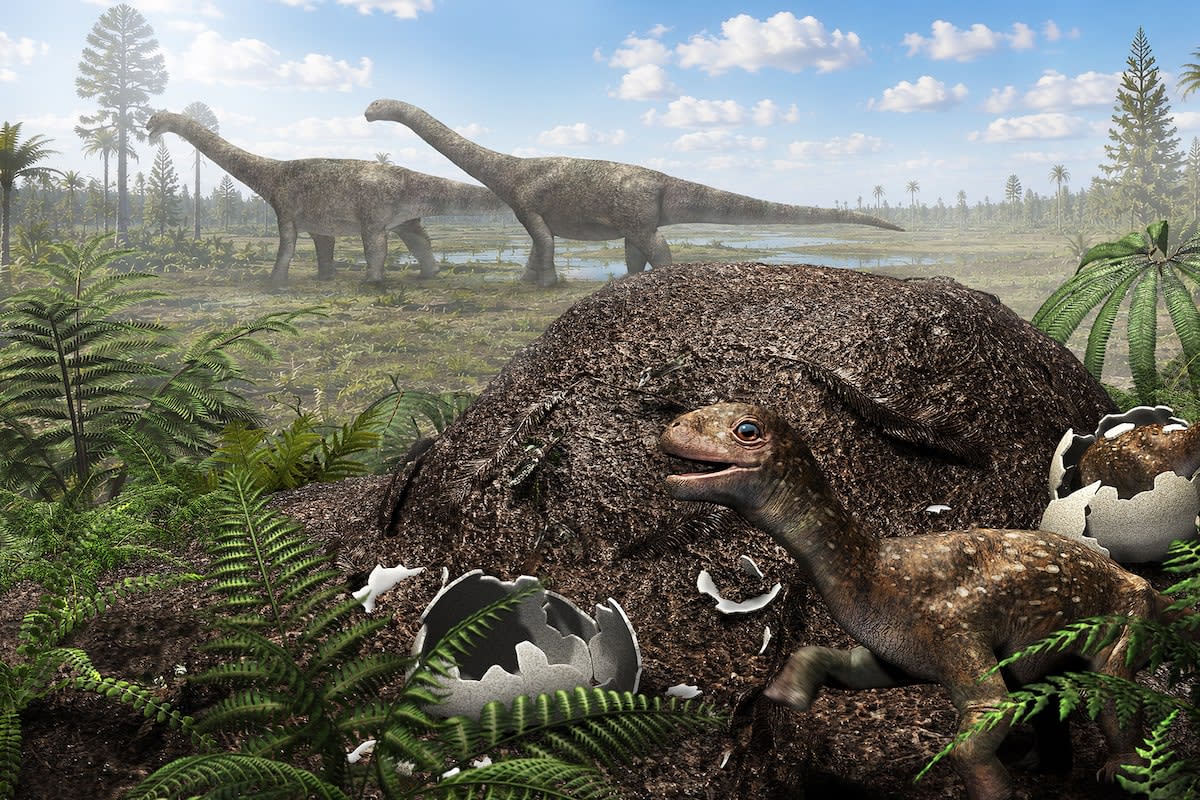
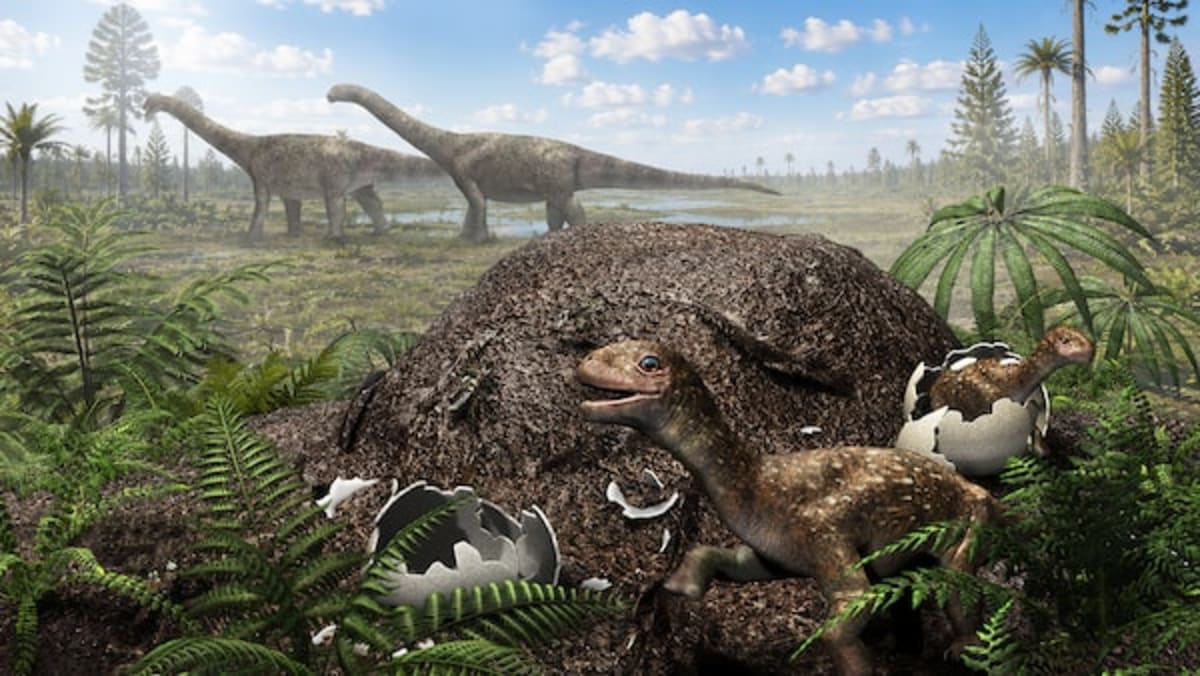
Imagine a dinosaur weighing as much as 10 elephants gently burying its eggs under a mound of rotting plants to keep them warm. That's exactly what scientists now believe titanosaurs did in ancient Patagonia, hundreds of miles further south than anyone thought possible.
Researchers discovered about 200 fragments of fossilized titanosaur eggshells in southern Argentina, revealing a record-breaking nesting site. The location sits at what would have been 60 degrees south latitude during the late Cretaceous period, roughly equivalent to modern-day Alaska in the Northern Hemisphere.
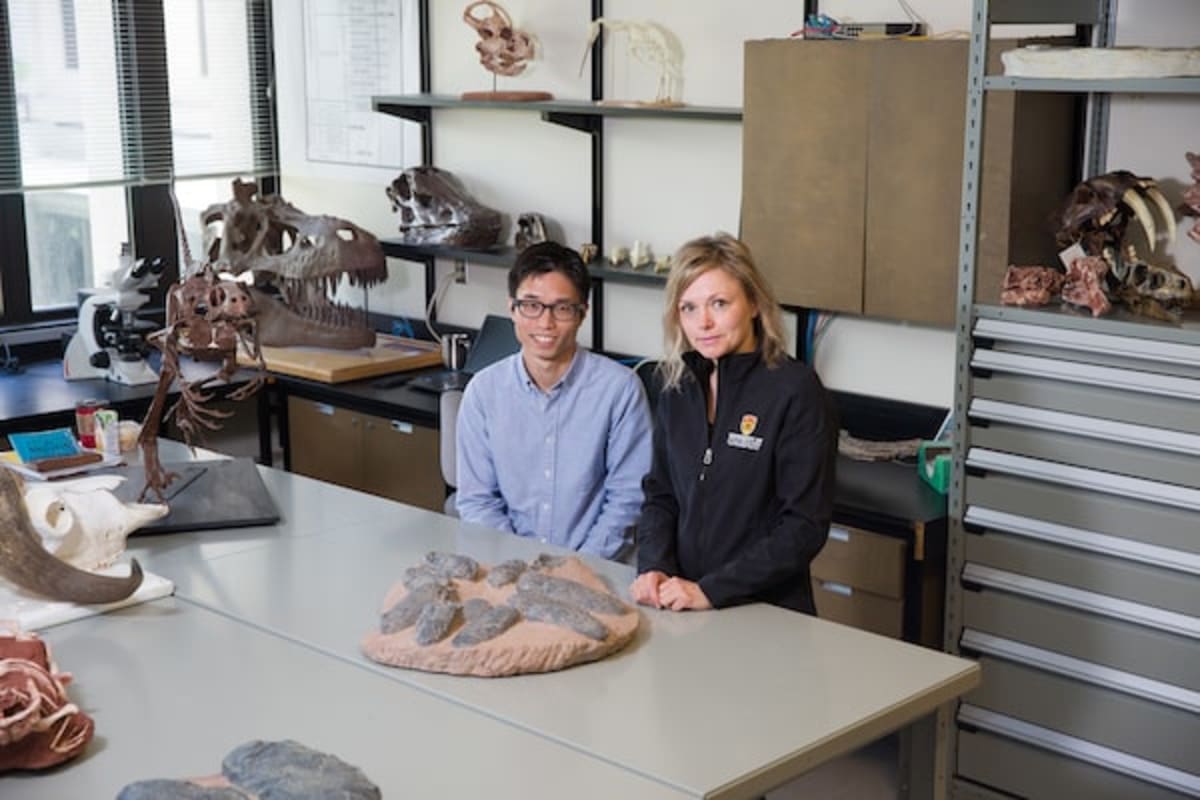
Darla Zelenitsky, a paleontologist at the University of Calgary, helped examine the fossils discovered during expeditions between 2020 and 2024. "It's the most southern site to produce dinosaur eggshells," she said. "That's the evidence we need to show that dinosaurs were nesting in this area."
The discovery challenges previous assumptions about where massive dinosaurs could successfully raise their young. While Earth was warmer 70 million years ago, this nesting site averaged only about 12 degrees Celsius annually, similar to modern Vancouver.
The environment would have presented serious challenges for baby titanosaurs. The high latitude meant dramatic seasonal swings in temperature, daylight hours, and food availability, making it tough for hatchlings to find enough nutrition to grow.
At four liters in volume, each egg was substantial, yet the babies still needed to grow enormously to reach adult size. Obviously, parents couldn't sit on eggs to warm them without crushing them completely.
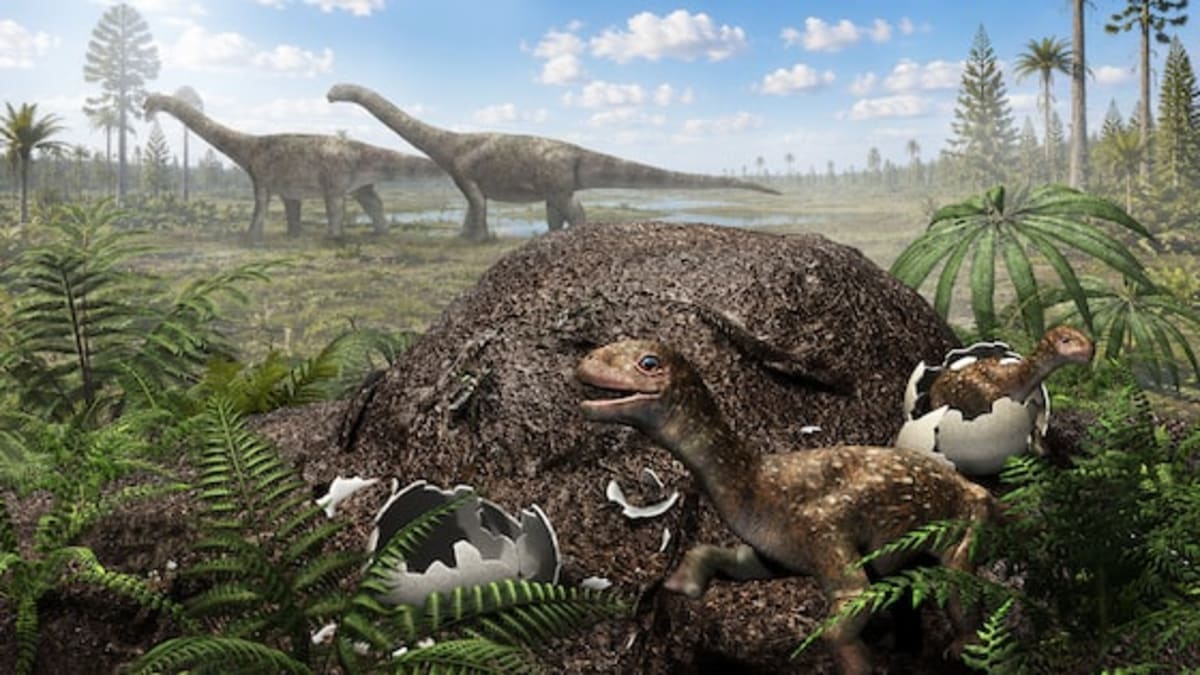
Instead, mother titanosaurs likely timed their egg-laying for spring and buried their eggs under mounds of decomposing vegetation. Bacteria breaking down the plant matter would have generated heat, creating a natural incubator.
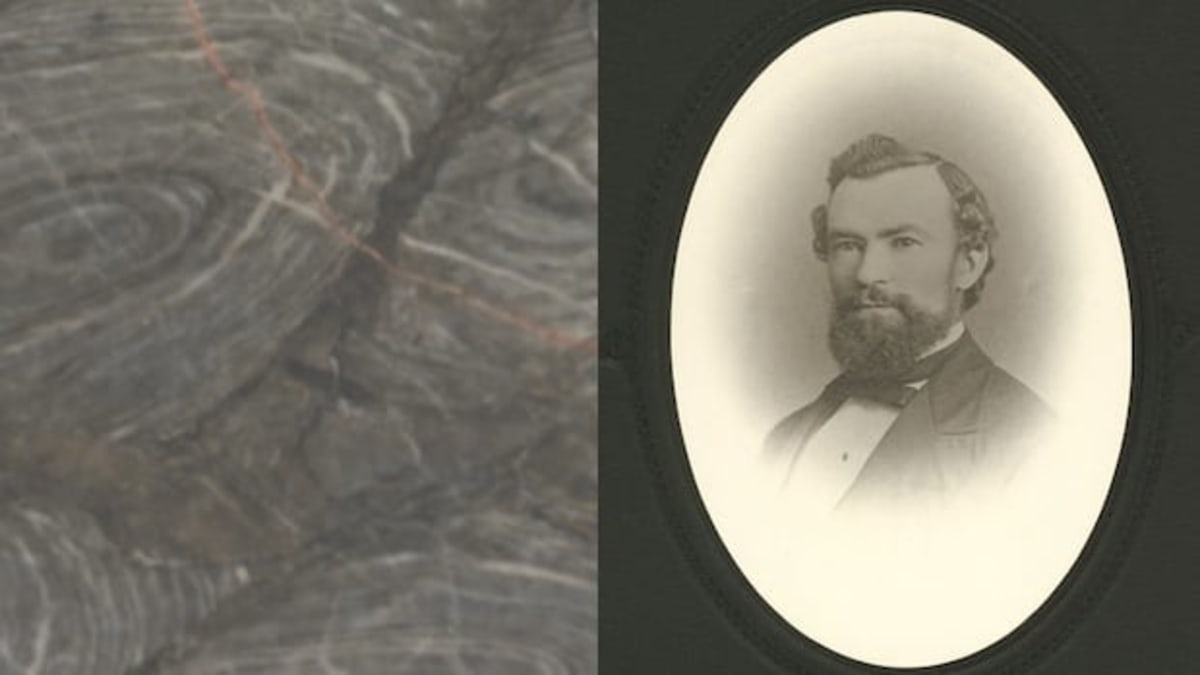
The microscopic structure of the eggshells supports this theory. Researchers found the shells were highly porous, meaning they would dry out quickly if left exposed to air.
Why This Inspires
This discovery reminds us that life finds remarkable ways to adapt and thrive in unexpected places. These ancient giants didn't let a challenging climate stop them from successfully raising the next generation.
Their innovative parenting strategy, using nature's own composting process to warm their eggs, shows problem-solving that worked for millions of years. Robert Reisz, a University of Toronto paleontologist not involved in the study, called the research "inherently interesting" for revealing how dinosaurs thrived far from the tropics.
The findings also demonstrate how modern scientific teamwork, spanning Japanese, Argentine, and Canadian researchers across multiple years, continues unlocking secrets about life's resilience. Every new discovery helps us better understand how diverse species adapted to their worlds, offering hope that life continues finding creative solutions to environmental challenges.
These patient giants prove that with the right adaptations, even the most unlikely places can become home.
More Images
Based on reporting by Google: fossil discovery
This story was written by BrightWire based on verified news reports.
Spread the positivity!
Share this good news with someone who needs it