Japan's Red Aurora Reveals Solar Storms Pack Hidden Power
Scientists studying rare crimson auroras over Japan discovered the glowing lights reached unexpected heights, suggesting moderate solar storms may be far more powerful than current measurements indicate. The finding could help protect satellites and power grids as space weather becomes more unpredictable.
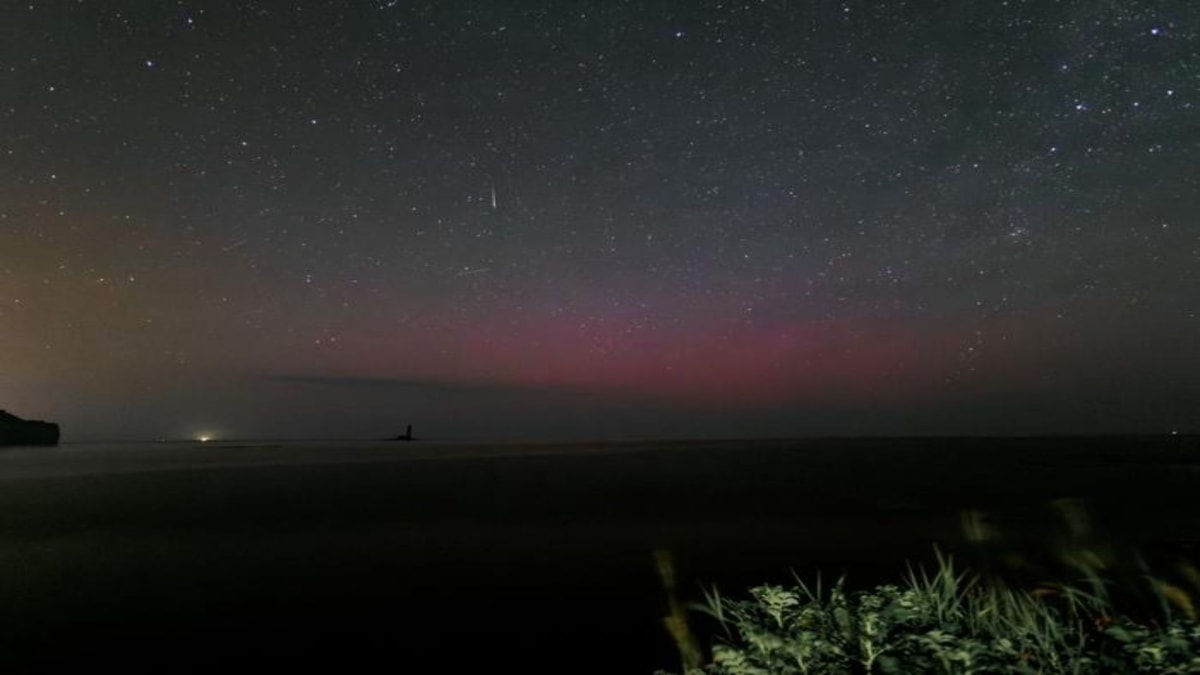
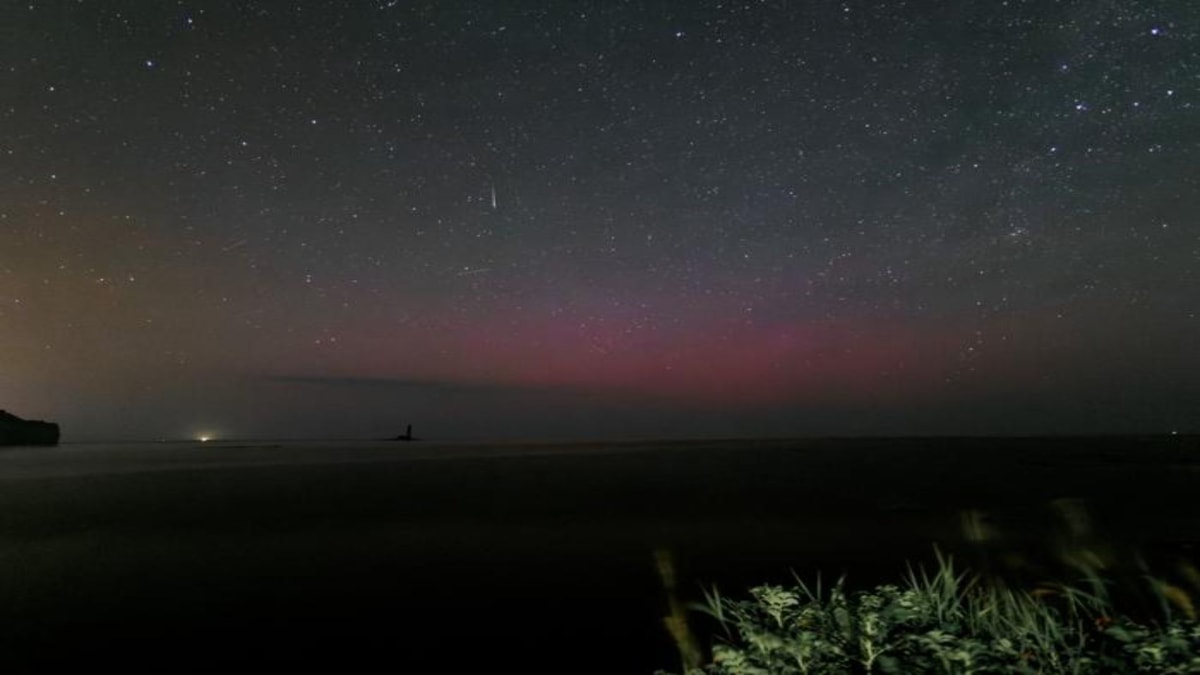
A stunning red aurora over northern Japan last summer just revealed that scientists may have been underestimating the power of solar storms all along.
Researchers at Hokkaido University were stunned when they analyzed faint crimson lights photographed above Japan in June 2024. The auroras stretched between 310 and 500 miles into Earth's atmosphere, far higher than expected for what satellites classified as only a "moderate" storm.
"I was really surprised because I didn't expect such tall auroras to appear even during moderately intense storms," said lead researcher Tomohiro Nakayama. The discovery suggests that even seemingly mild space weather events may pack far more punch than scientists realized.
Unlike the vivid green curtains that dance near the Arctic, these auroras appeared as soft red veils hanging low over the horizon. Red auroras form much higher in the atmosphere where oxygen atoms release a dim crimson glow in the extremely thin air. They're typically rare and linked only to powerful geomagnetic storms.
What surprised scientists most was Japan's location. The country sits much farther south than regions where auroras normally appear. The team traced the glowing structures using photos from citizen scientists across Japan, combining ground observations with satellite data to map exactly how high the lights reached.
Their analysis points to an unusually dense stream of charged particles from the sun as the likely cause. These solar winds interacted with Earth's magnetic field more intensely than current monitoring systems indicated, producing spectacular high-altitude displays without triggering official "extreme storm" warnings.
Why This Inspires
This discovery comes at a critical moment. The sun is near its peak activity cycle, and we're launching satellites into low Earth orbit faster than ever before. Better understanding of solar storms means better protection for the technology we increasingly depend on.
Extreme space weather can knock out GPS systems, disrupt communications, and even damage power grids during major events. As Nakayama noted, with thousands of new satellites orbiting Earth, getting these forecasts right matters more than ever.
The team studied five separate aurora events between June 2024 and March 2025, building a clearer picture of how these storms develop. Their work, published in the Journal of Space Weather and Space Climate, could lead to improved early warning systems that look beyond conventional storm measurements.
Those citizen scientists who photographed the red glow over Hokkaido didn't just capture beautiful images. They helped unlock a mystery that could keep our connected world running smoothly through the sun's most turbulent years.
More Images

Based on reporting by Space.com
This story was written by BrightWire based on verified news reports.
Spread the positivity!
Share this good news with someone who needs it
%2Fhttps%3A%2F%2Ftf-cmsv2-smithsonianmag-media.s3.amazonaws.com%2Faccounts%2Fheadshot%2FSara_-_Headshot_thumbnail.png)