Japan's Salt-Water Power Plant Runs 24/7 Without Wind or Sun
Japan just switched on Asia's first osmotic power plant that creates electricity from the difference between fresh water and seawater. Unlike solar and wind, it runs around the clock in any weather.
A small facility in southern Japan is quietly doing something clean energy has been chasing for decades: making electricity 24 hours a day without burning fuel or waiting for the sun to shine.
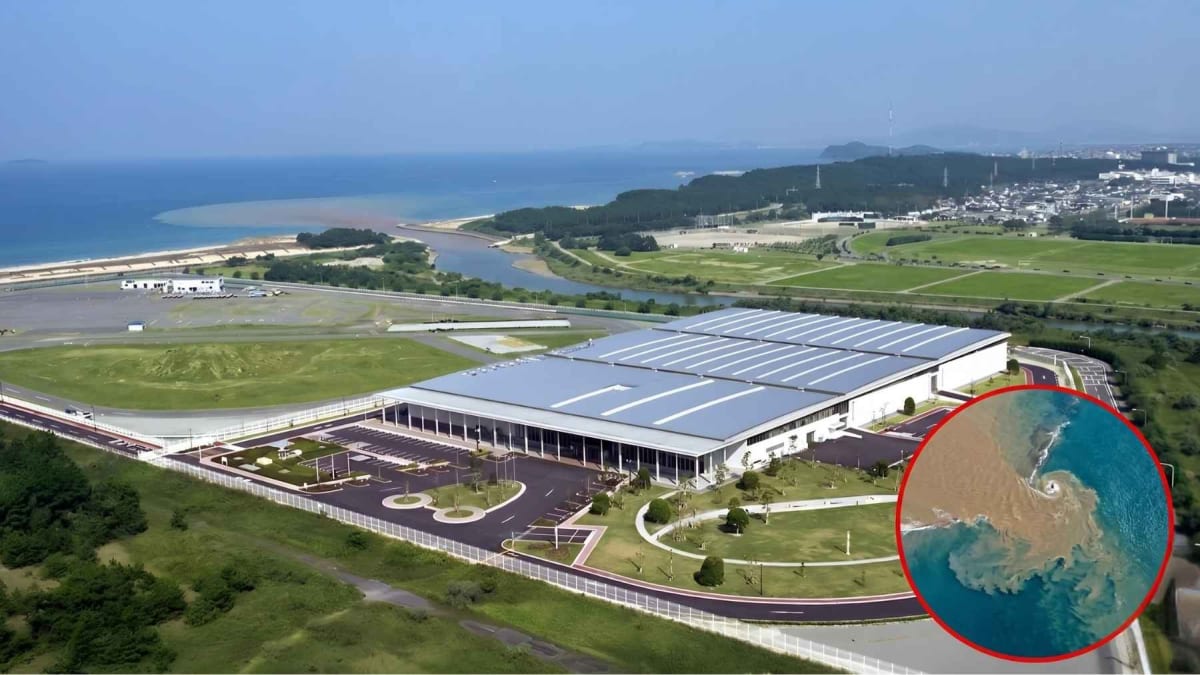
The plant sits inside a desalination center in Fukuoka and started running last August. It's Japan's first osmotic power plant, a technology that pulls electricity from the spot where fresh water meets salt water.
The science is surprisingly simple. Put fresh water on one side of a special membrane and salty water on the other, and nature does the heavy lifting. Fresh water naturally pushes through the membrane to balance out the salt difference, building up pressure on the salty side. Run that pressure through a turbine, and you get electricity from nothing but two different kinds of water.
The Fukuoka plant makes the physics work even harder by using concentrated brine leftover from the desalination plant next door instead of regular seawater. That widens the salt difference and squeezes out more energy. The fresh water comes from treated wastewater. Two waste streams nobody wanted, turned into clean power.
The output is modest but honest. The plant will generate about 880,000 kilowatt hours a year, enough to power roughly 220 to 300 homes. That's about what two soccer fields of solar panels would produce, except this version never stops for nighttime or cloudy days.
The Bright Side
What makes this exciting isn't the size. It's the uptime. The plant runs at about 90 percent capacity regardless of weather, time of day, or season. Solar and wind can't buy that kind of reliability at any price.
The electricity feeds straight back into making drinking water for Fukuoka and surrounding towns, cutting the cost of desalination. Kenji Hirokawa, who directs the center, calls it a modest first step, which feels about right.
Norway tried this technology a decade ago and gave up in 2014 when costs proved too high. But membrane technology has improved since then, and Japan is betting that pairing osmotic power with desalination plants makes the economics finally work.
This isn't the technology that will replace coal plants tomorrow. But it's proof that the gap between fresh water and seawater holds real, usable energy that runs when everything else goes quiet.
More Images




Based on reporting by Google News - Clean Energy
This story was written by BrightWire based on verified news reports.
Spread the positivity!
Share this good news with someone who needs it