Japan's Youngest Female Mayor Takes Historic Maternity Leave
Shoko Kawata is breaking barriers as the first sitting mayor in Japan to take maternity leave, challenging how the nation views women in leadership. Her 16-week leave comes as Japan faces record-low birth rates and struggles to support working mothers.
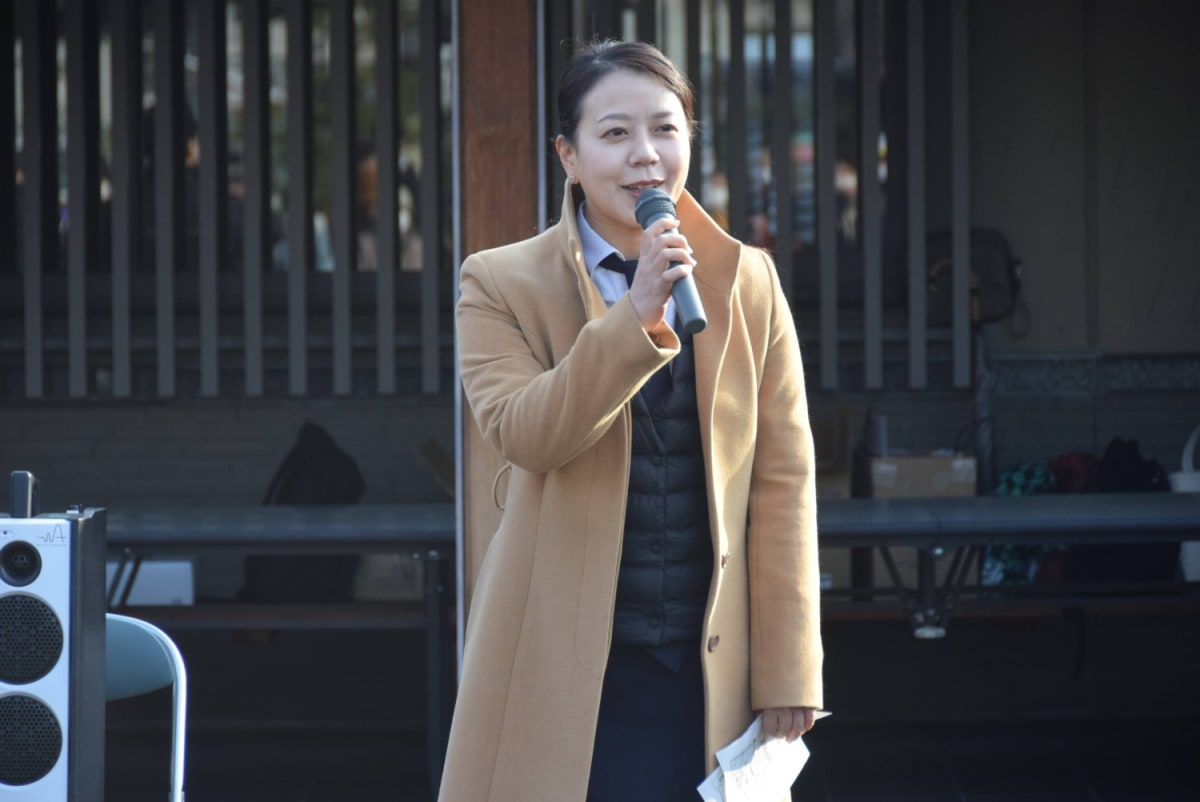
At 33, Shoko Kawata already made history as Japan's youngest female mayor. Now she's doing something even more groundbreaking: taking time off to have a baby.
The mayor of Yawata, a city in Kyoto Prefecture, will take 16 weeks of maternity leave starting this September. That might sound routine in many countries, but in Japan, no sitting mayor has ever done this before.
Her decision arrives at a crucial moment for Japan. Last year, the country recorded just 705,809 births, the lowest number since 1899 and the tenth straight year of decline.
Kawata's choice sends a powerful message to women across Japan who often face an impossible decision between career advancement and motherhood. Political leadership roles have been especially difficult for mothers to navigate, with long hours and expectations of constant availability.
The mayor will split her leave evenly: eight weeks before her baby arrives and eight weeks after. During her absence, her deputy will handle city business while she focuses on her health and her newborn.
The Ripple Effect
What happens in Yawata could reshape expectations across Japan's 1,700 municipalities. When leaders model work-life balance, it becomes easier for everyone else to do the same.
Japan has been searching for solutions to its birth rate crisis for years, investing billions in childcare subsidies and family support programs. But those policies only work if women feel they can actually use them without sacrificing their careers.
Kawata is proving that leadership and motherhood don't have to be mutually exclusive. Her pregnancy hasn't stopped her from doing her job, and her maternity leave won't either.
Other female politicians are watching closely. If a mayor can take maternity leave without her city falling apart, it weakens the argument that women must choose between public service and family.
The conversation Kawata has sparked extends beyond politics too. In a country where many women still leave the workforce after having children, seeing a mayor openly prioritize both roles matters.
Young Japanese women are taking notice, and that shift in expectations could help reverse the demographic trends threatening Japan's future.
More Images


Based on reporting by Japan Times
This story was written by BrightWire based on verified news reports.
Spread the positivity!
Share this good news with someone who needs it