Jerusalem Looters Accidentally Expose 2,000-Year-Old Site
Five suspected thieves led authorities to an ancient stone vessel workshop from the Second Temple period. What started as a crime bust became one of Jerusalem's most significant recent archaeological finds.
Sometimes the best discoveries happen by accident, and a nighttime arrest in Jerusalem just proved it in spectacular fashion.
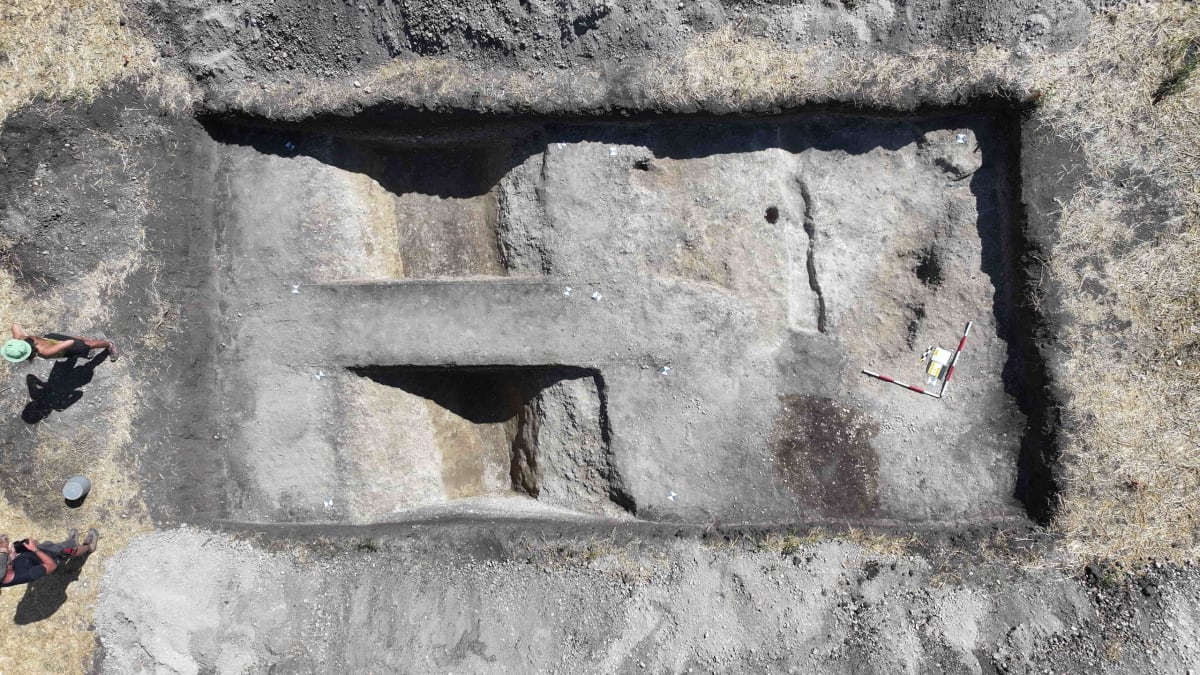
Israel's Antiquities Authority spotted suspicious excavation marks at the Ras Tamim site near Mount Scopus and launched a covert surveillance operation. After several nights of watching, investigators caught five men allegedly digging illegally with a generator, metal detector, and quarrying tools.
The suspects confessed and now face up to five years in prison for destroying an archaeological site. But when archaeologists entered the underground cave where the looters had been working, they found something extraordinary.
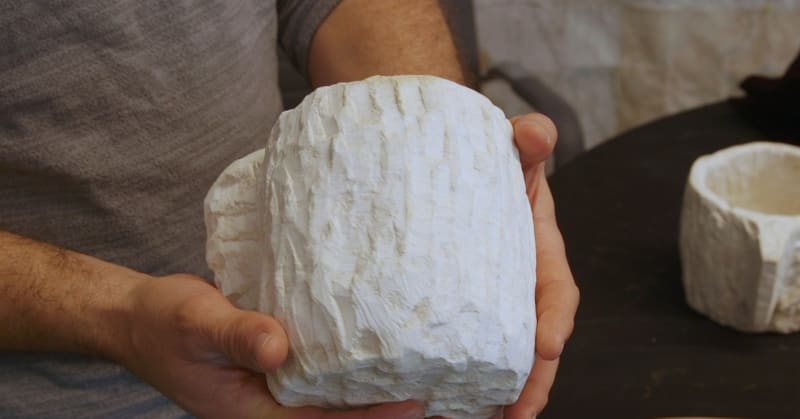
Scattered across the cave floor were hundreds of stone fragments, partially shaped vessels, and production waste. This wasn't just a random collection of ancient artifacts. It was a complete manufacturing workshop from 2,000 years ago.
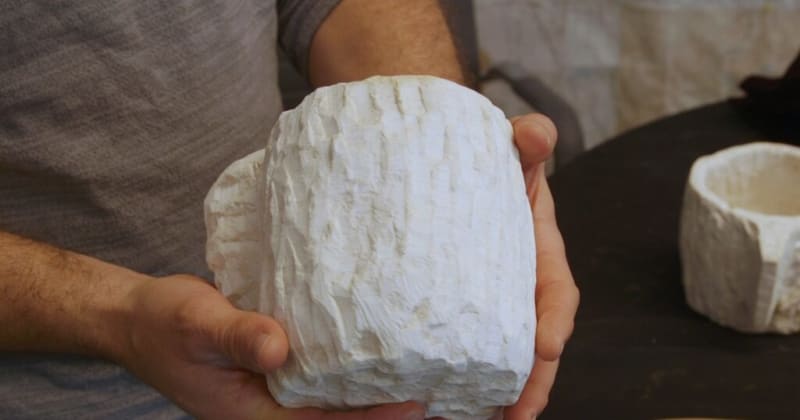
The facility produced limestone vessels that Jewish families used during the Second Temple period, which lasted from 516 BCE to 70 CE. These weren't decorative items. Under Jewish law, stone vessels couldn't become ritually impure, unlike clay or ceramic containers.
For families following strict purity regulations around food preparation and Temple worship, these stone containers solved a real daily problem. They were durable, practical, and spiritually essential.
The cave shows clear signs of organized production. Rough stone blocks, lathe marks, chisel cuts, and discarded fragments reveal a systematic operation far bigger than a single artisan's shop.
The Ripple Effect
The workshop's location tells an even bigger story about ancient Jerusalem's economy. The site sits directly along a major pilgrimage route that eastern travelers used to reach the Temple.
Thousands of pilgrims passed through this area, creating steady demand for ritual objects. Traders likely carried finished vessels straight to Jerusalem's markets, where both residents and visitors bought them.
This discovery proves that Mount Scopus wasn't just empty land on Jerusalem's outskirts. It was an active industrial and commercial zone integrated into the city's religious and economic life.
Similar workshops have been found in the Judean hills before, but this site's scale and strategic position make it especially valuable for understanding how ancient Jerusalem actually functioned. The irony isn't lost on archaeologists: an attempted theft preserved history instead of destroying it.
More Images
Based on reporting by Google: archaeological discovery
This story was written by BrightWire based on verified news reports.
Spread the positivity!
Share this good news with someone who needs it