Jharkhand Wins 4 New Heritage Tags for Tribal Crafts
Four traditional tribal crafts in Jharkhand just earned national protection, bringing centuries of indigenous knowledge into the spotlight. The state secured Geographical Indication tags for two types of forest silk, handcrafted tribal jewelry, and bamboo artistry passed down through generations.
For tribal families in Jharkhand, June 2026 marked a turning point. The state secured four Geographical Indication tags, granting official recognition and legal protection to crafts their ancestors have practiced for centuries.
GI tags work like a seal of authenticity. They protect traditional products from imitation and help artisans access premium markets with their heritage proudly displayed.
The first two tags honor wild silk production. Bhagaiya Silk comes from Godda district, where the Bhagaiya belt has earned the nickname "Resham Nagar" or Silk City. Rural artisans and tribal weavers across three clusters produce this premium Tasar silk, forming the backbone of Jharkhand's handloom economy.
Kuchai Silk follows a different path. Produced in Seraikela-Kharsawan district, silkworms feed on wild Asan and Arjun trees growing naturally in the forest. The result is fabric with a golden sheen and earthy texture that reflects tribal traditions of working within nature's rhythms.
The third tag celebrates Munda Jewelry, handcrafted by the Munda tribal community using silver, brass and beads. Hisirin necklaces, Mundra earrings, Ander anklets and Bajubandh armlets carry geometric patterns with deep ceremonial meaning. Each piece tells a story of identity and tradition.
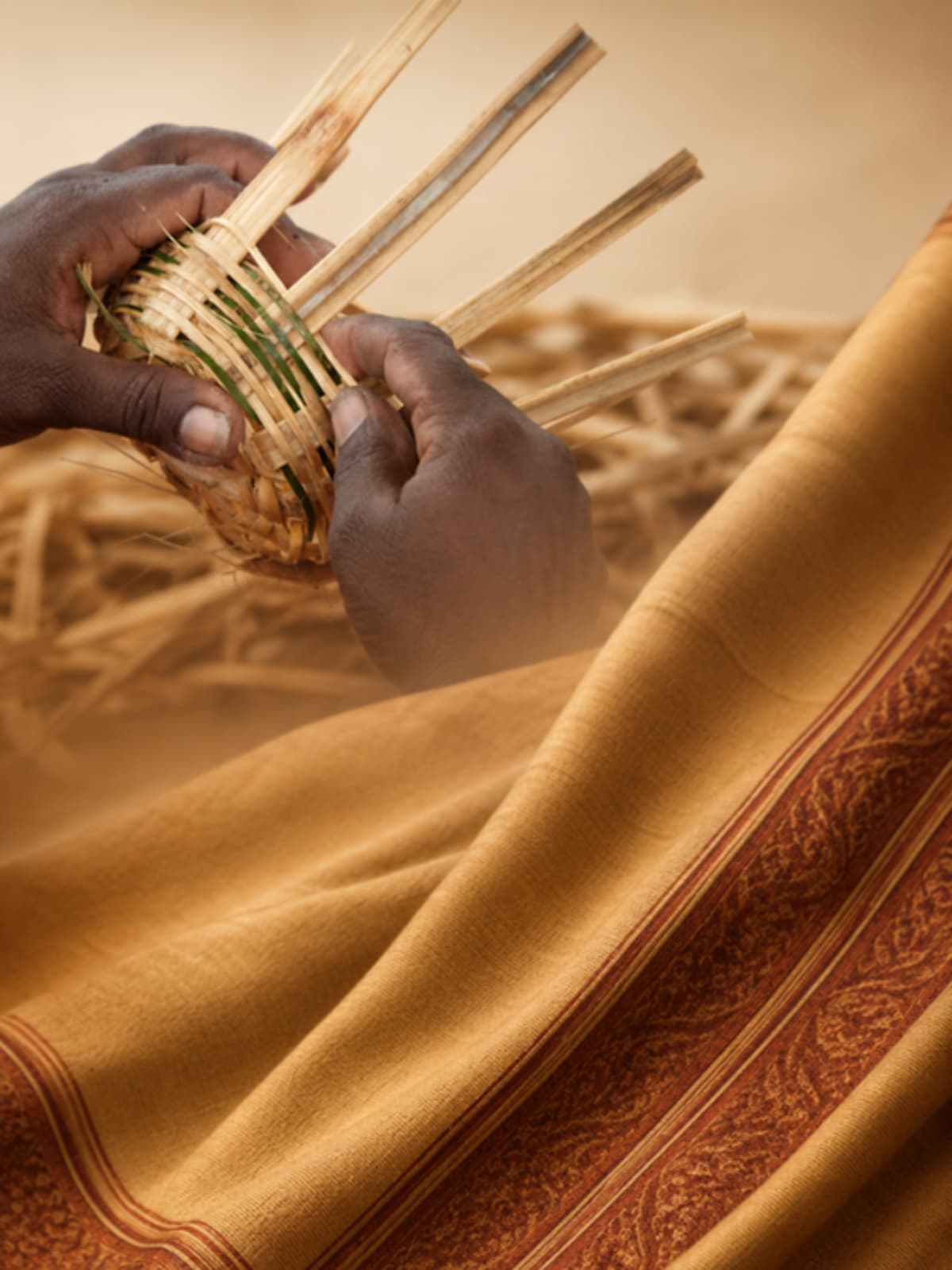
Bamboo Craft earned the fourth recognition. Artisans transform bamboo from the Chhota Nagpur plateau into baskets, fishing traps, agricultural tools, floor mats, planters, lamps and furniture. In rural areas, bamboo even provides the framework for homes and shelters.
The Ripple Effect
These tags deliver more than prestige. They create legal protection against cheap knockoffs flooding the market. They open doors to buyers seeking authentic, ethically made products. They give tribal artisans leverage to command fair prices for work their families have perfected over generations.
For a state where tribal communities form the majority population, this recognition validates knowledge systems often dismissed as outdated. It places indigenous craftsmanship on equal footing with industrial production.
The tags also preserve techniques at risk of disappearing. Young people see their heritage gaining value, making traditional crafts viable career paths rather than relics of the past.
Each GI tag strengthens the narrative that progress doesn't mean abandoning tradition. Sometimes it means the world finally catching up to wisdom that's been there all along.
Based on reporting by The Better India
This story was written by BrightWire based on verified news reports.
Spread the positivity!
Share this good news with someone who needs it