Joby Aviation Flies 3,100 Miles Autonomously Across US
An aircraft powered by Joby Aviation's autonomous technology just completed a historic 3,100-mile flight across America without any human control. The breakthrough proves the company's tech can handle everything from medical transport to disaster response, opening doors far beyond urban air taxis.
A pilotless aircraft just flew from one coast to another, marking a giant leap forward for autonomous aviation.
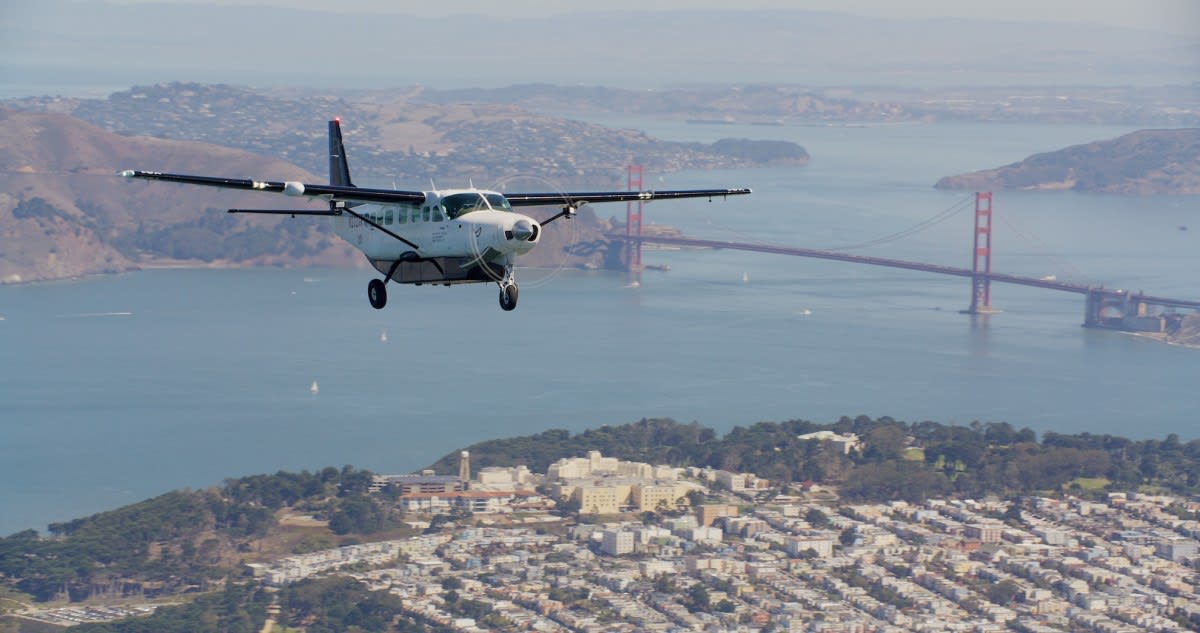
Joby Aviation announced Friday that an aircraft equipped with its autonomous technology completed a 3,100-mile journey across the United States without a human pilot taking control once. The converted Cessna Caravan handled taxiing, takeoffs, navigation, and landings entirely on its own while being remotely supervised from California and South Carolina.
A pilot sat on board for regulatory compliance, but the aircraft did all the work. The flight demonstrates that autonomous aviation technology has matured enough to handle real-world complexity across different weather conditions, airspaces, and landing environments.
The journey isn't over yet. The aircraft will make its way back to the West Coast over the next two weeks with stops in cities including Louisville and Salt Lake City, proving its technology repeatedly.
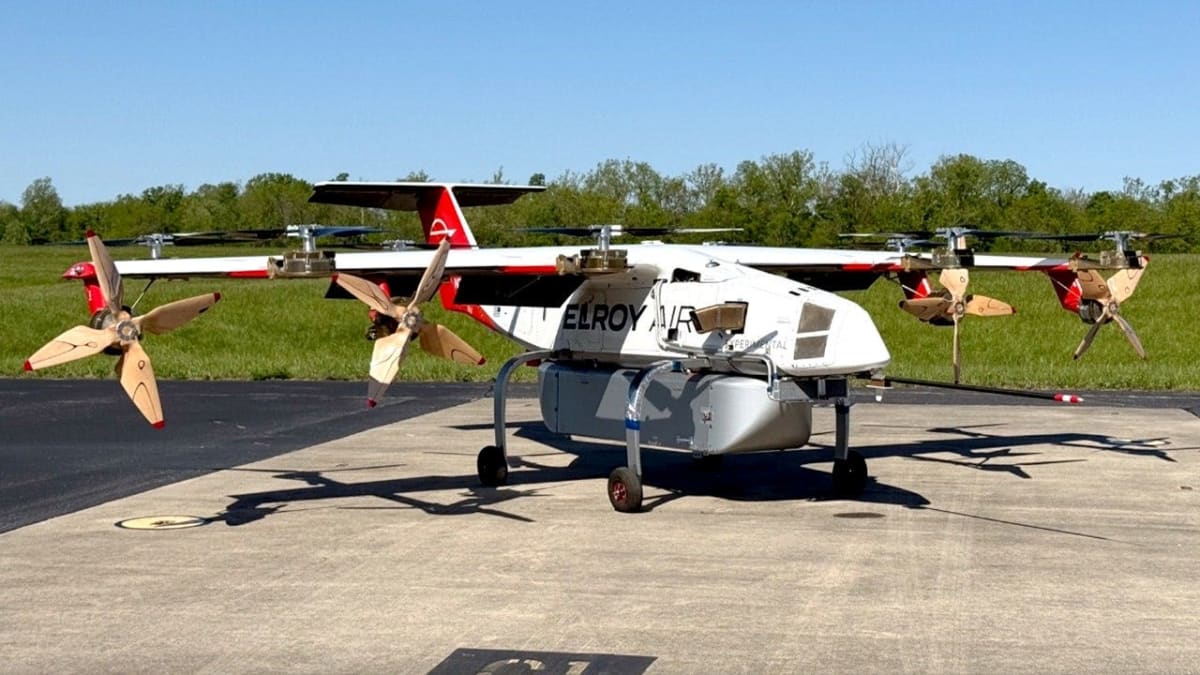
While Joby made headlines for developing electric air taxis for urban commuters, this cross-country flight reveals much bigger ambitions. The company's autonomy technology can be retrofitted onto conventional aircraft, opening possibilities in medical transport, disaster response, and defense operations.
The timing makes sense. Joby has quietly built a strong defense business alongside its urban air taxi work. The company received $17 million from the Air Force to develop regional aircraft with autonomy capabilities and spent $500 million last August acquiring Resonant Sciences, a maker of radio frequency and sensor systems.
These aren't just test flights. The company is partnering with defense contractor L3Harris Technologies to develop gas-turbine hybrid aircraft that can take off vertically and fly autonomously for military missions.
The Ripple Effect
This technology could transform how we respond to emergencies. Imagine autonomous aircraft delivering medical supplies to remote areas after natural disasters, or flying organs for transplant without weather delays or pilot fatigue affecting timing. The same systems that flew coast to coast could ensure critical supplies reach where they're needed most, exactly when lives depend on it.
For rural communities, autonomous aircraft could mean reliable medical transport without depending on helicopter pilot availability. For the military, it means safer logistics missions without putting pilots in harm's way.
More Images


Based on reporting by TechCrunch
This story was written by BrightWire based on verified news reports.
Spread the positivity!
Share this good news with someone who needs it