%2Ffile%2Fauthors%2F12285234371051722435.jpg)
Johannesburg's Citizens Save Their City From Collapse
While government services fail across Johannesburg, residents and businesses are stepping up to fix potholes, clean streets, and manage entire neighborhoods themselves. Their success proves community action works, and now they're pushing for official support to expand citywide.
Johannesburg should be dying, but its people won't let it.
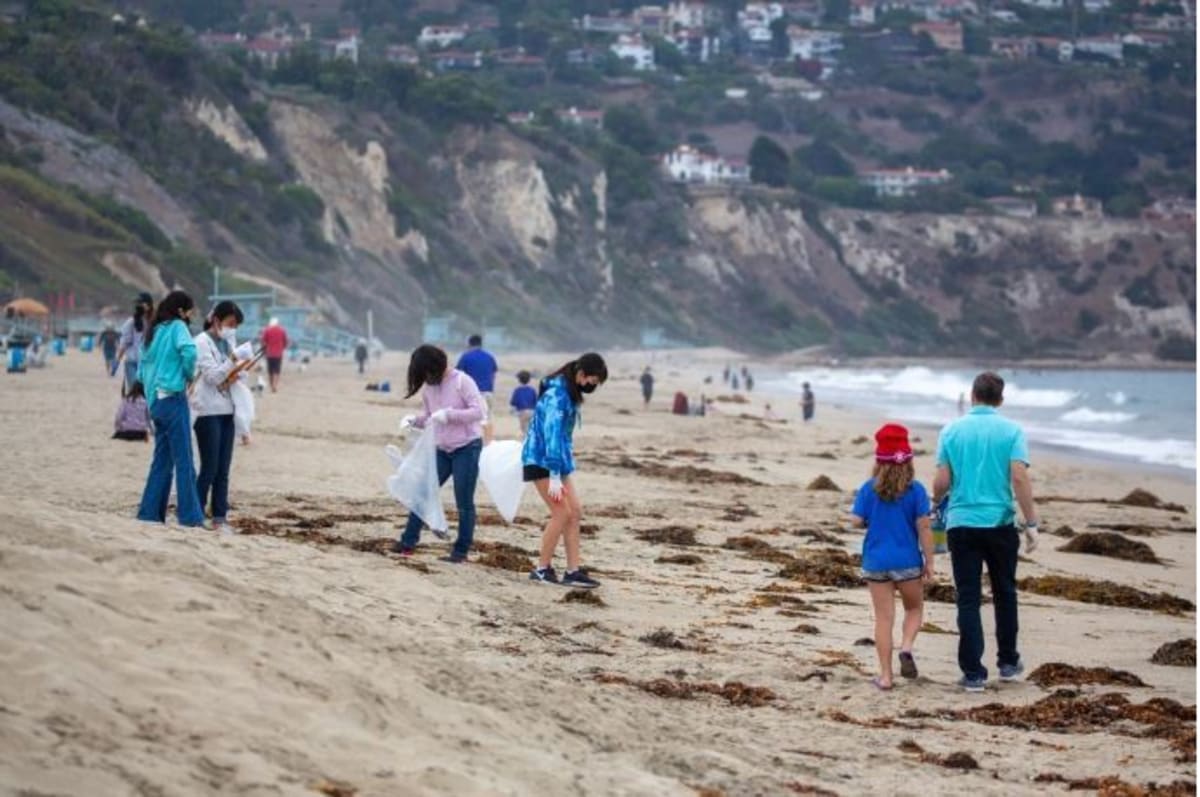
Despite financial crisis, infrastructure collapse, and repeated government failures, South Africa's largest city is being held together by ordinary residents who refuse to watch it fall apart. They're fixing roads, cleaning streets, managing public spaces, and creating islands of hope across the metro.
The transformation is visible in places like Braamfontein, where a City Improvement District has turned things around. Clean streets, repaired traffic lights, revitalized public spaces, and active maintenance have kept urban decay at bay while surrounding areas struggle.
These managed districts do more than look prettier. They create safer neighborhoods, encourage investment, support local businesses, and most importantly, give residents hope that their city can work again.
The movement exploded in 2023 after a deadly explosion on Lilian Ngoyi Street, a fatal fire at a city-owned building, and the Metro Centre closure exposed just how badly local government was failing. Residents across Johannesburg decided they'd had enough.
Traditional residents' associations that once organized church fetes now form the front line of service delivery. They're adopting parks, repairing libraries, reporting broken infrastructure, and helping neighbors survive prolonged water and electricity outages by installing backup systems.
In September, the Lonehill Residents Association made history by signing an agreement allowing them to repair potholes on city roads. Dozens of other neighborhoods want to follow their lead.
The Ripple Effect
Julia Fish, who oversees Johannesburg's city government and sits on multiple crisis committees, says organized communities are making measurable differences wherever they operate. The contrast between managed districts and unmanaged areas has become impossible to ignore, even during official government inspections.
Now these community heroes are pushing for systemic change. They want the city to finalize a Special Rating Area policy that would create sustainable funding for improvement districts through an additional property charge, ensuring all property owners contribute to the benefits they receive.
Yes, it feels like double taxation when residents already pay rates and service charges. But communities have decided that waiting for government to fulfill its responsibilities means watching their city die.
Their resilience offers a blueprint for urban recovery across South Africa and beyond: when systems fail, organized communities can fill the gap, but they need official support to scale their success.
Johannesburg's people are proving that citizen action can save a failing city, one neighborhood at a time.
More Images

Based on reporting by Daily Maverick
This story was written by BrightWire based on verified news reports.
Spread the positivity!
Share this good news with someone who needs it