Johns Hopkins Finds Way to Reverse Type 1 Diabetes
Scientists at Johns Hopkins have developed a therapy that could reverse Type 1 diabetes shortly after diagnosis by correcting the immune system itself, not just managing blood sugar. The breakthrough, seven years in the making, targets the root cause of the disease that affects 2.1 million Americans.
Seven years after discovering a mysterious immune cell they called the X cell, Johns Hopkins researchers have turned that finding into a potential cure for Type 1 diabetes.
The therapy works differently than anything available today. Instead of managing symptoms with daily insulin injections, it targets the immune system malfunction that causes the disease in the first place.
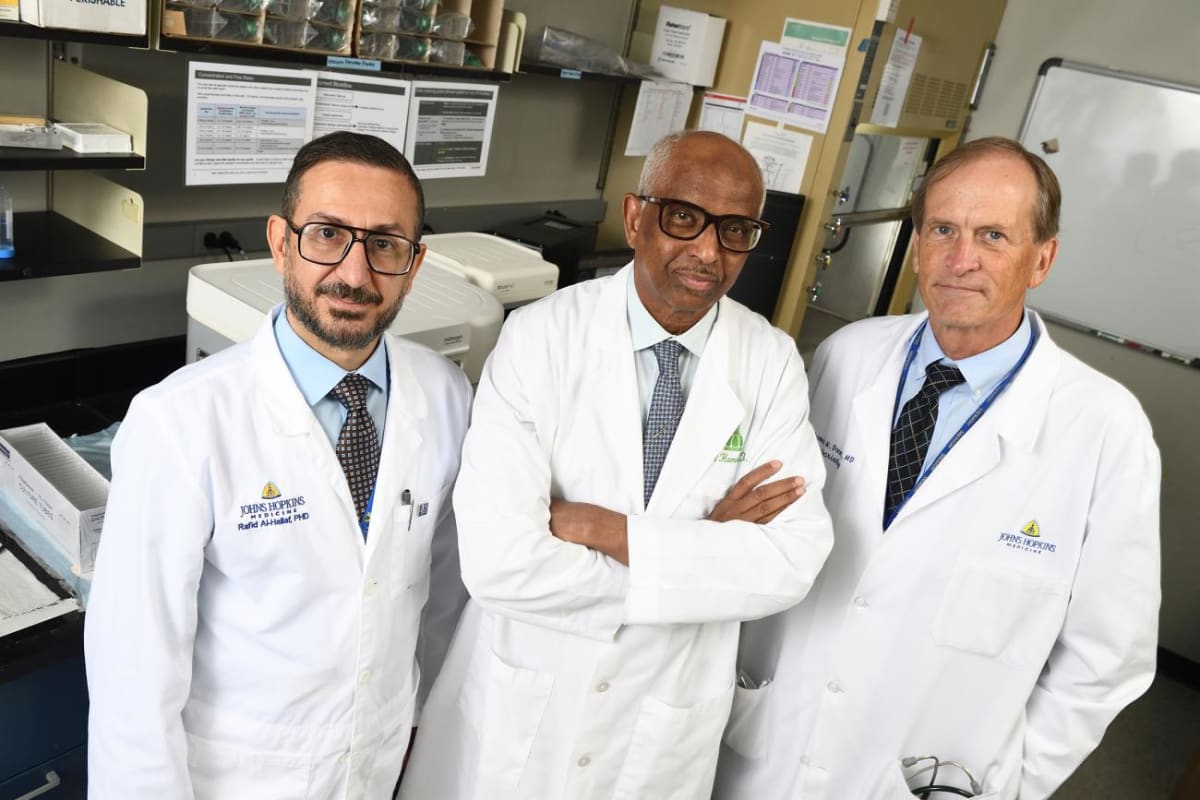
"It's not just managing blood sugar but potentially correcting the immune dysfunction caused by the disease," says Rafid Al-Hallaf, a research fellow at Johns Hopkins School of Medicine. "This discovery opens a new direction for thinking about treatment."
Type 1 diabetes forces the body's immune system to attack its own insulin-producing cells in the pancreas. More than 2.1 million Americans live with the condition, requiring daily insulin through needles, pumps, or inhalers for their entire lives.
The disease carries serious risks. Patients face dangerously low blood sugar levels and a life-threatening condition called ketoacidosis. Long-term complications include kidney damage, vision loss, nerve damage, and increased risk of heart attacks and strokes.
The Hopkins team's new approach uses an antibody based on the X cell to selectively remove the 2% of immune cells that attack insulin-producing beta cells. The rest of the immune system stays intact and functional.
In preclinical studies published in the Journal of Immunology, the antibody successfully targeted and eliminated the harmful immune cells. "Based on animal studies, we think we can precisely go and grab these cells using x-mAb to prevent them from residing in the pancreas," says principal investigator Abdel-Rahim A. Hamad.
The discovery of the X cell itself was unexpected. Hamad found it while studying cancer cells when he noticed a previously undefined immune cell with properties of both B and T cells, the immune system's main defenders against threats.
The Ripple Effect
This breakthrough marks only the second therapy shown to potentially reverse Type 1 diabetes in studies, not just delay it. The first, teplizumab, was approved by the FDA to prolong disease onset by about two years.
For the millions managing this challenging disease daily, the research offers something rarely available: hope for a cure that eliminates the root cause rather than treating symptoms. While most Type 1 diabetes cases appear without family history, making the trigger still unknown, this therapy could work regardless of what initially caused the immune malfunction.
Thomas W. Donner, director of the Johns Hopkins Comprehensive Diabetes Center, notes that researchers still aren't sure why the X cell exists naturally in the body. They believe it may be nature's way of alleviating autoimmune attacks in conditions like Type 1 diabetes.
The therapy remains in preclinical testing, but the federally supported research represents decades of work finally pointing toward a genuine cure.
Based on reporting by Google News - New Treatment
This story was written by BrightWire based on verified news reports.
Spread the positivity!
Share this good news with someone who needs it