Johns Hopkins Gets $24M to Cure Hepatitis B
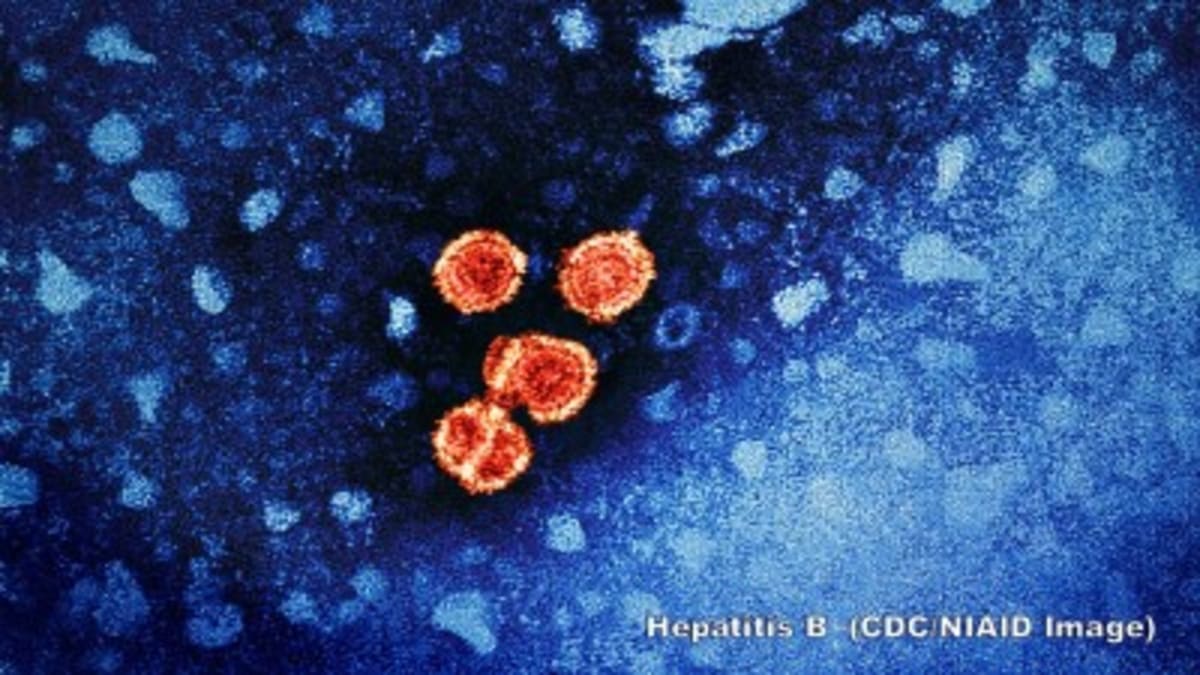
A team of researchers across five countries just received $24 million to find a cure for hepatitis B, a virus that affects 300 million people worldwide. The five-year effort could finally bring hope to millions living with a disease that currently has no cure.
Scientists at Johns Hopkins Medicine are leading an ambitious new effort that could change the lives of 300 million people living with hepatitis B worldwide.
The newly formed Hepatitis B and HIV Cure Consortium just received a $24 million grant from the National Institutes of Health to find a cure for the chronic liver infection. Right now, hepatitis B has no cure and puts people at high risk of death from liver cancer or cirrhosis.
"Although hepatitis B can be prevented by a safe and effective vaccine given shortly after birth, it's still a major health problem worldwide," says Dr. Chloe Thio, professor of medicine at Johns Hopkins and leader of the consortium. The World Health Organization reports that more than a million new cases appear each year, particularly in the Western Pacific and Africa where access to birth vaccines is limited.
The consortium brings together research teams from Brazil, India, Senegal, Uganda and the United States. Their first major step is enrolling 675 people living with hepatitis B to participate in research studies and provide blood, liver tissue and immune cells for testing.
These specimens will help seven specialized teams unlock the secrets of how the hepatitis B virus reproduces, infects cells and hides within the liver. Using advanced gene sequencing and protein analysis, researchers will build a complete picture of how the virus operates and how the human immune system responds to it.
The project goes beyond just finding a cure. The consortium is also training the next generation of researchers at each collaborating center, creating a pipeline of scientists dedicated to defeating hepatitis B.
Why This Inspires
This isn't just about lab work and test tubes. Every specimen, every data point and every research breakthrough brings the world closer to helping 300 million people escape a lifelong infection. The truly inspiring part is how this effort spans continents, bringing together brilliant minds from countries most affected by the disease.
The research teams are focusing on understanding how some patients maintain good control of the virus during treatment. By identifying the biological markers that signal success, they can develop what researchers call a "functional cure" for hepatitis B.
Dr. Thio and her colleagues are building more than a research project. They're creating a global network of hope that could transform hepatitis B from an incurable chronic disease into a conquered infection, much like scientists have done with other once-devastating viruses.
The five-year timeline means breakthroughs could arrive sooner than many expect, bringing relief to families who have waited generations for answers.
Based on reporting by Google News - Disease Cure
This story was written by BrightWire based on verified news reports.
Spread the positivity!
Share this good news with someone who needs it