Journalist Returns to Rural Bihar, Helps 25,000 Women
After leaving journalism, Surbhi Kumari returned to her village in Bihar to break the silence around menstruation through education and affordable sanitary pads. Her initiative has reached 25,000 women and girls across rural communities where periods were once hidden in shame.
In rural Bihar, where girls were taught to hide their periods even from their own sisters, one woman is rewriting the rules of silence.
Surbhi Kumari grew up in Gaya district, where menstruation was never discussed openly. When she got her first period at 13, she thought she was dying because no one had explained it to her. Boys in her classroom laughed as a stain spread across her skirt, and she went home terrified that something was seriously wrong.
Her mother handed her a cloth and said it was normal, but the shame lingered. That brief, whispered conversation was all the education she received about her own body.
After struggling through engineering prep and failing her Class 12 exams twice, Surbhi found her true calling in journalism. While working on a research project in Jehanabad district, she met women who used sand and ashes during their periods because they had nothing else. They missed school and work, suffered infections in silence, and lost opportunities simply because of menstruation.
She realized that writing about these problems wasn't enough. At 34, she launched Sabla, meaning empowered woman, and returned to rural Bihar to create change from within.
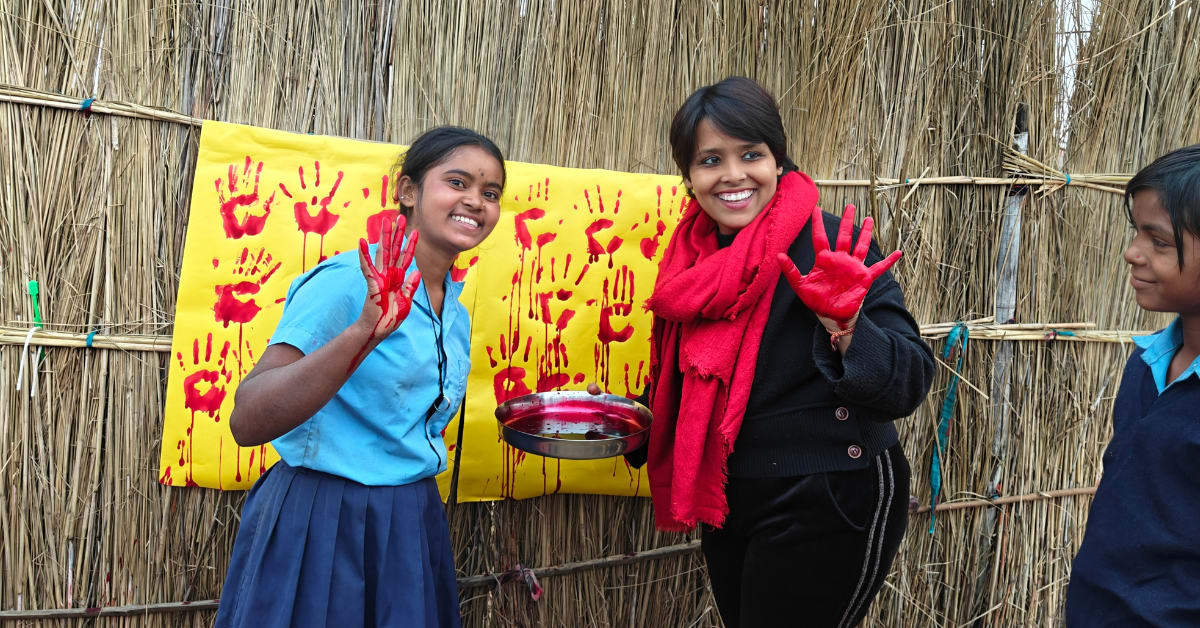
Through sessions called Periodshala, Surbhi talks openly with girls and women about menstruation, breaking taboos that have existed for generations. She established a sanitary pad manufacturing unit that provides affordable products to communities where access was nearly impossible. Women who once believed bathing during periods would increase bleeding now understand their bodies without fear.
The Ripple Effect
Sitara Devi, who used to go four or five days without bathing during her period out of fear and misinformation, now manages her menstruation with confidence. Two sisters who were taught to hide their periods from each other have learned that sharing knowledge brings strength, not shame.
The transformation goes beyond individual women. In villages where menstruation once meant isolation and whispered anxiety, 25,000 women and girls now have access to both products and education. They're entering schools and workplaces without interruption, making decisions about their health, and teaching their daughters differently than they were taught.
Surbhi's journey from a terrified 13-year-old to an educator empowering thousands proves that the people who understand silence best are often the ones who can break it most powerfully.
More Images
%2Fenglish-betterindia%2Fmedia%2Fmedia_files%2F2026%2F03%2F30%2Fperiods-taboo-bihar-2026-03-30-17-06-08.png)

%2Ffilters%3Aformat(webp)%2Fenglish-betterindia%2Fmedia%2Fmedia_files%2F2026%2F03%2F30%2Fperiods-taboo-bihar-2026-03-30-17-19-59.png)
%2Ffilters%3Aformat(webp)%2Fenglish-betterindia%2Fmedia%2Fmedia_files%2F2026%2F03%2F30%2Fperiods-taboo-bihar-2026-03-30-17-22-28.png)
Based on reporting by The Better India
This story was written by BrightWire based on verified news reports.
Spread the positivity!
Share this good news with someone who needs it