Judge Blocks NPR and PBS Defunding on Free Speech Grounds
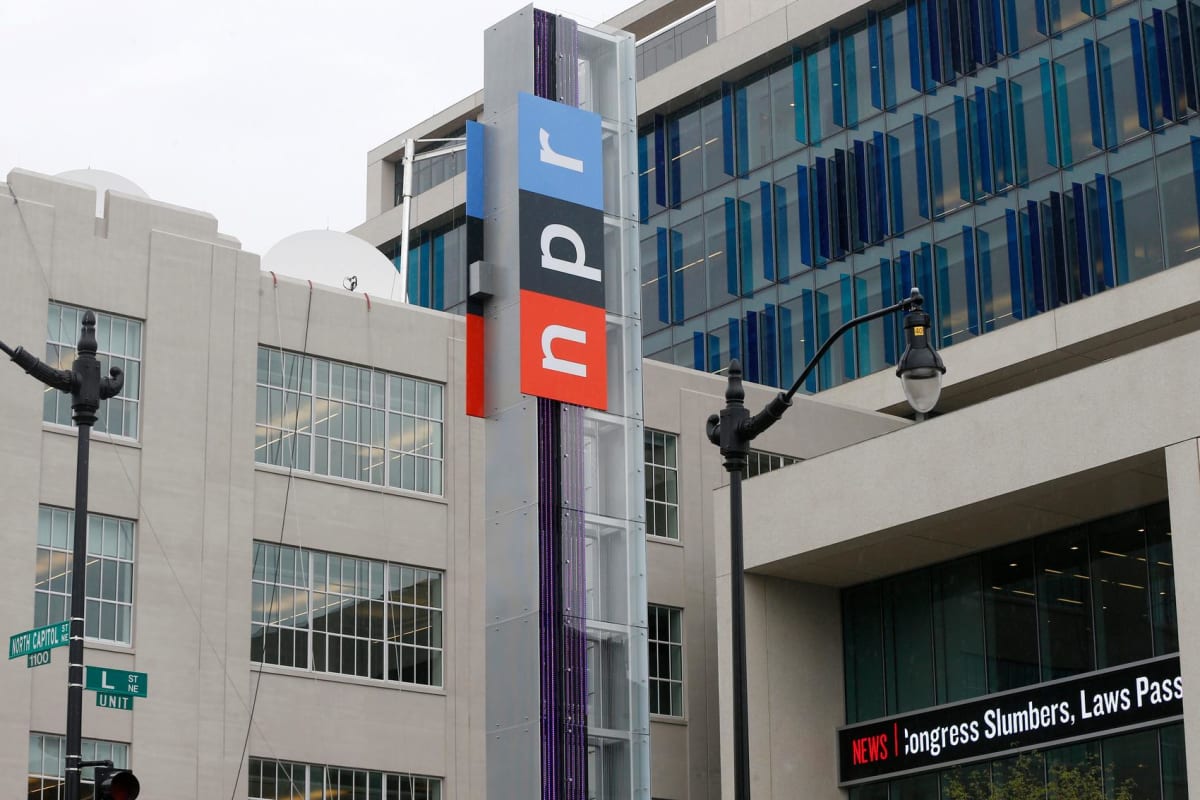
A federal judge ruled that cutting federal funding for NPR and PBS violates First Amendment protections against government retaliation for viewpoint. The decision affirms that the government cannot use funding decisions to punish news organizations for their coverage.
A federal court just delivered a powerful reminder that the government can't weaponize the purse to silence voices it disagrees with.
U.S. District Judge Randolph Moss permanently blocked the Trump administration's executive order to end federal funding for National Public Radio and PBS. His reasoning was clear: the First Amendment doesn't allow the government to punish media organizations for their viewpoints.
Judge Moss found compelling evidence that the executive order targeted specific viewpoints the President opposed. He noted that Trump had publicly stated last year he would "love to" defund NPR and PBS because he believed they favored Democrats.
NPR and PBS have served American communities for over half a century. NPR brings news programming like "All Things Considered" and cultural content like "Tiny Desk" concerts, while PBS offers everything from "Sesame Street" to Ken Burns documentaries.
The executive order directed all federal agencies to cut any funding to both organizations. NPR and three public radio stations sued in May, arguing the directive violated their free speech rights by punishing them for journalism content.
The Bright Side
Beyond the immediate legal victory, the ruling establishes an important precedent. Judge Moss noted that government attorneys couldn't cite a single case where courts upheld banning someone from federal programs based on their past speech.
Katherine Maher, NPR's president, said the decision "affirms the rights of a free and independent press." PBS chief Paula Kerger called it recognition that their mission is serving Americans, not political agendas.
The court's message resonates beyond public broadcasting. It reinforces that independent journalism plays a vital role in democracy, and constitutional protections exist precisely to shield that independence from political pressure.
While the White House plans to appeal and Congress has already voted to defund both organizations, the ruling draws a constitutional line. Government power can't be used to suppress expression officials find inconvenient or unfavorable.
The decision protects not just NPR and PBS, but the principle that free speech means protecting voices across the spectrum from government retaliation.
More Images

Based on reporting by Japan Today
This story was written by BrightWire based on verified news reports.
Spread the positivity!
Share this good news with someone who needs it