Judge Blocks Pentagon Policy Threatening Press Access
A federal judge ruled that the Pentagon's restrictive press policy violates constitutional protections, marking a major win for press freedom. The decision comes after only one of 56 news outlets agreed to the new rules that could label journalists as security risks.
A federal judge just handed journalism a major victory by blocking a Pentagon policy that threatened to shut reporters out of military coverage.
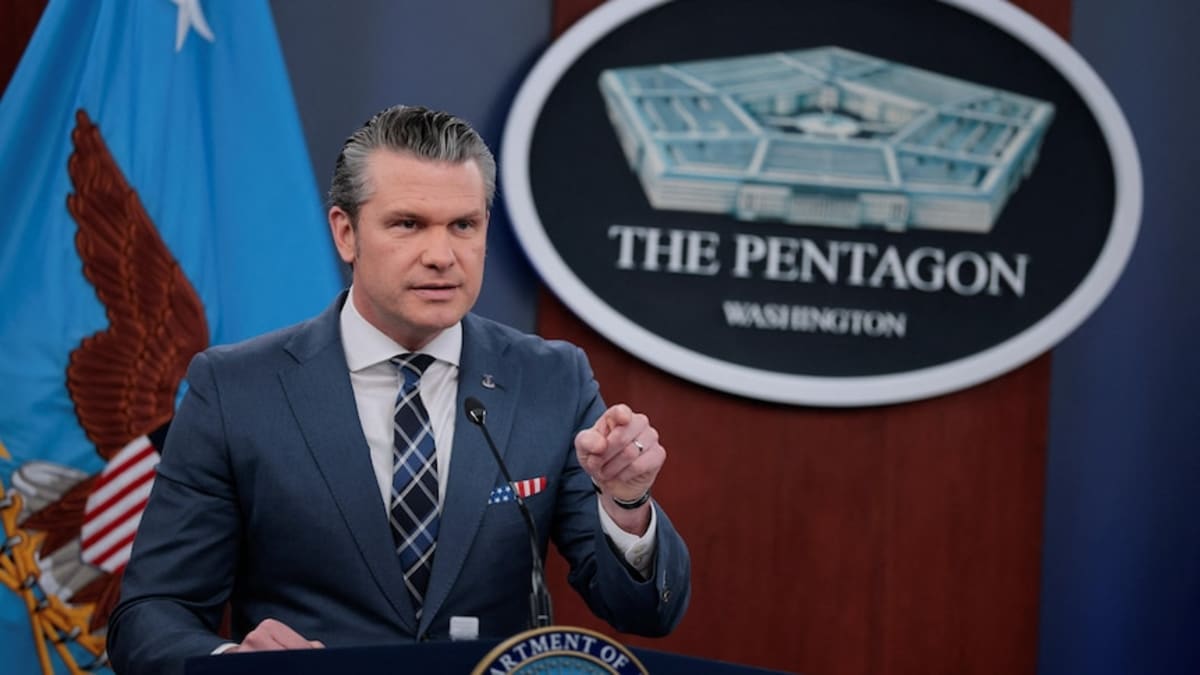
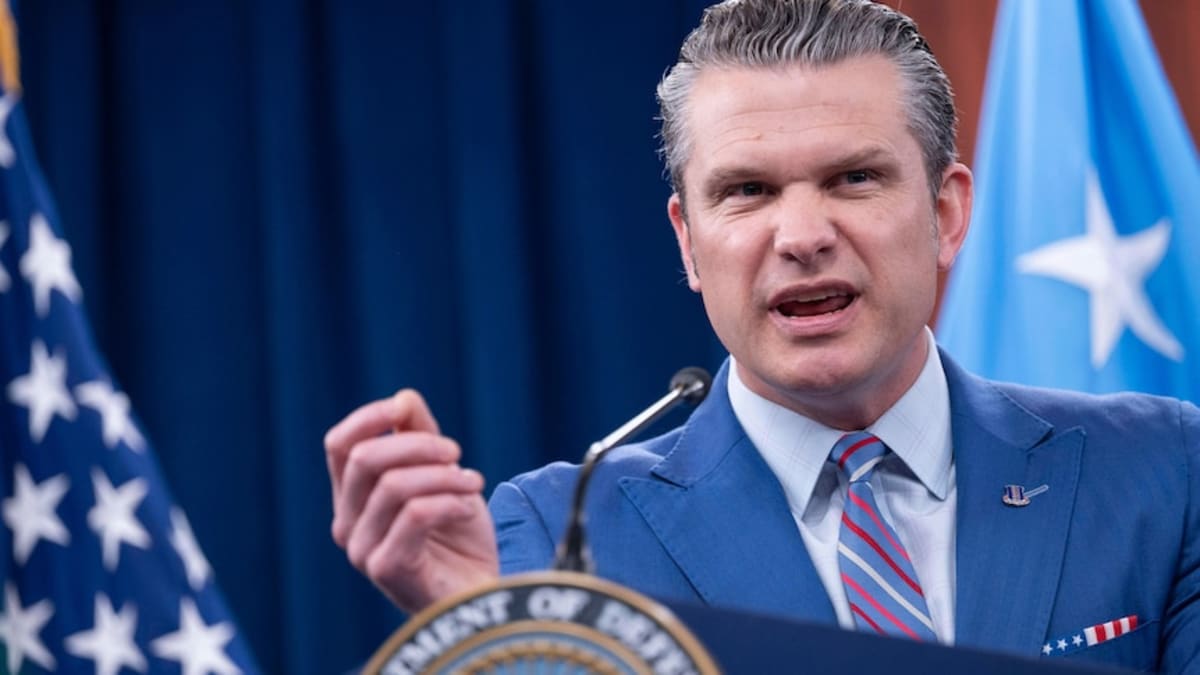
US District Judge Paul Friedman ruled Friday that the Defense Department's press access rules were unconstitutionally vague and overly broad. The policy, approved in October 2025 under Defense Secretary Pete Hegseth, allowed the Pentagon to revoke press credentials if journalists sought unauthorized information, even if unclassified.
The New York Times led the legal challenge, arguing the rules gave officials unlimited power to silence critical coverage. Their lawsuit revealed that only one of 56 Pentagon Press Association outlets signed on to the new policy. Reporters who refused surrendered their press passes.
The Pentagon responded by assembling a new press corps from pro-administration outlets, which The Times said proved the policy targeted unfavorable coverage rather than protecting national security.
Judge Friedman acknowledged the need to protect troops and war plans but emphasized something more crucial. He wrote that public access to diverse perspectives about government actions was "more important than ever," especially given recent military operations in Venezuela and ongoing conflict with Iran.
The Bright Side
The ruling reinforces fundamental protections that benefit everyone, not just journalists. Americans deserve transparency about how their tax dollars fund military actions and how their government operates overseas.
Freedom of the Press Foundation's Seth Stern praised the decision, calling it "shocking" that the government argued journalists asking questions could be criminal activity. The court made clear that essential newsgathering techniques remain constitutionally protected.
The government plans to appeal, but media organizations are celebrating. New York Times spokesman Charlie Stadtlander said the ruling "reaffirms the right of The Times and other independent media to continue to ask questions on the public's behalf."
This case joins other press freedom battles, including the Associated Press's lawsuit over White House access. Together, these legal victories are building a protective barrier around journalists' ability to hold power accountable.
Judge Friedman's decision sends a powerful message: vague rules that make "any newsgathering and reporting not blessed by the department" grounds for punishment won't survive constitutional scrutiny.
The court recognized what healthy democracies require—a free press that can investigate, question, and report without fear of government retaliation for doing their jobs.
More Images
Based on reporting by ABC Australia
This story was written by BrightWire based on verified news reports.
Spread the positivity!
Share this good news with someone who needs it

%2Ffile%2Fdailymaverick%2Fwp-content%2Fuploads%2F2024%2F02%2FBranko-new-gray.webp)