Jupiter and Venus Meet Tonight in Rare Sky Show
Two of the brightest planets in our solar system will appear side by side tonight in a stunning celestial display visible to the naked eye. Stargazers across the U.S. can catch Jupiter and Venus shining together just after sunset, no telescope required.
Tonight offers a front-row seat to one of nature's most beautiful displays as Jupiter and Venus glide past each other in the evening sky.
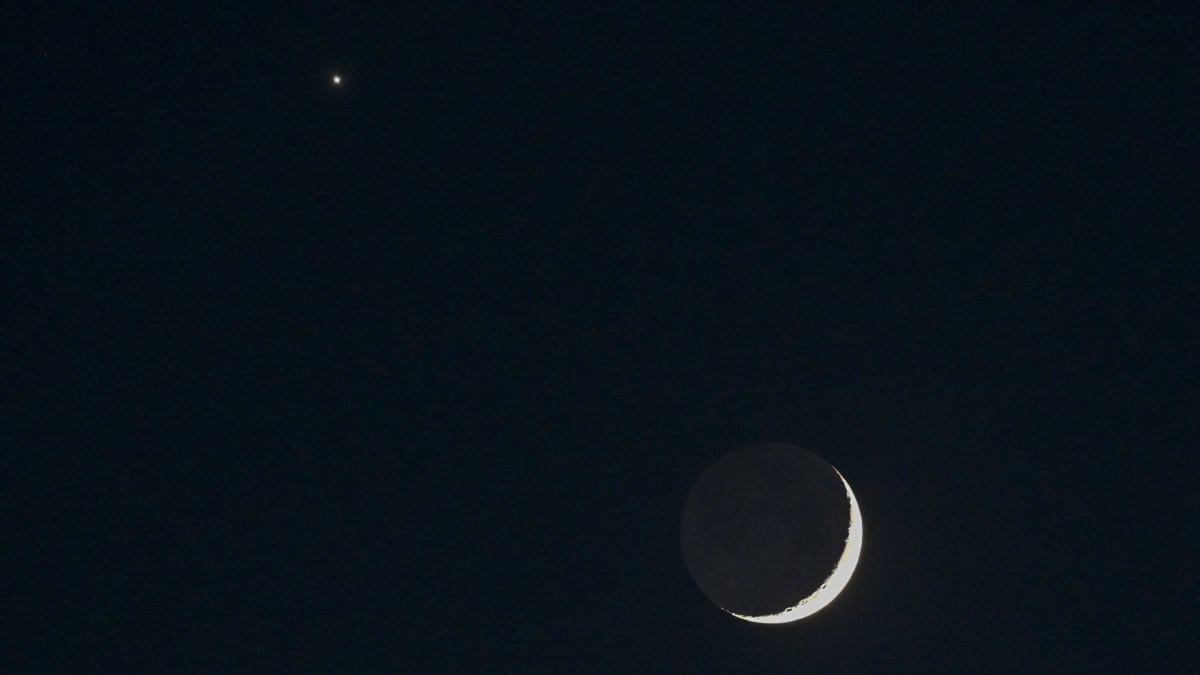
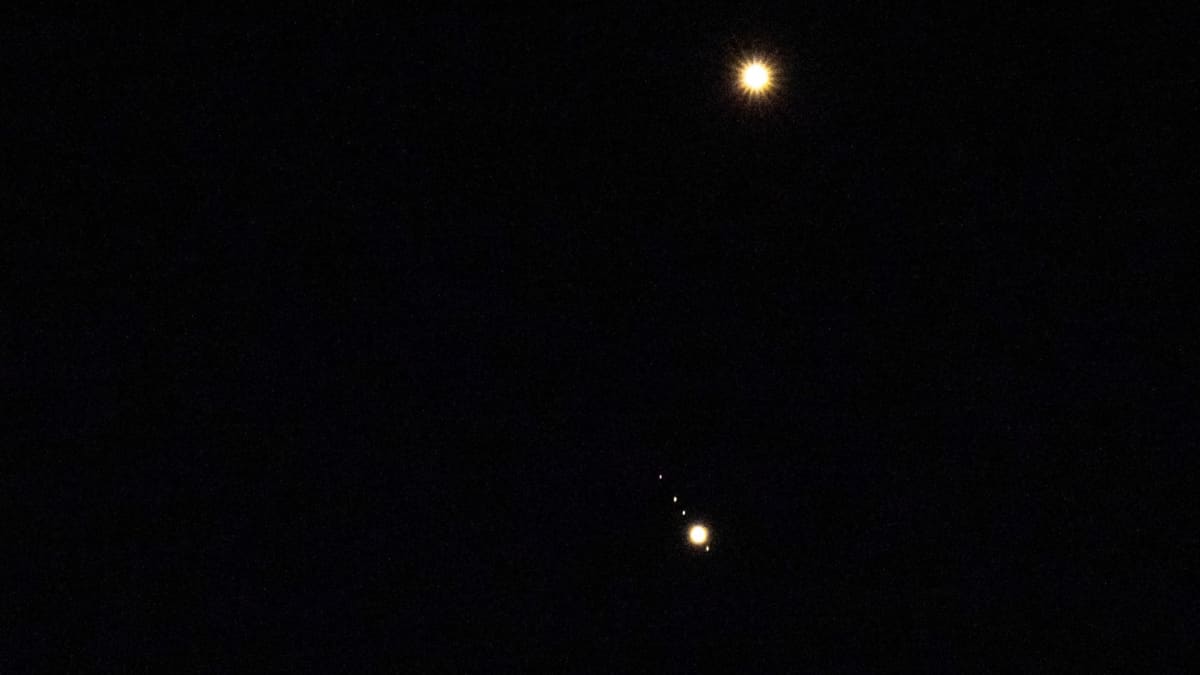
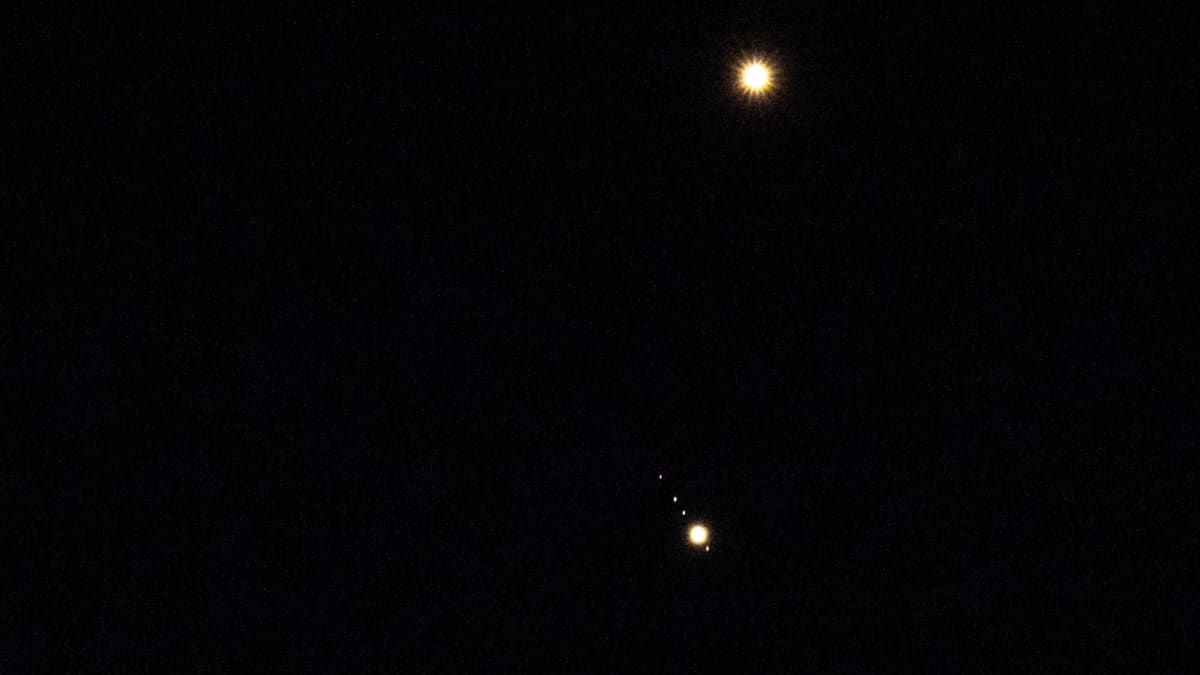
The two bright planets will appear less than 2 degrees apart on June 9, close enough to fit together in the view of a simple pair of binoculars. Venus will shine brilliantly about 20 degrees above the western horizon at sunset, with Jupiter glowing just below and to the left.
Even city dwellers can enjoy this show. Venus ranks as one of the brightest objects in the night sky, and Jupiter follows close behind, making both easy to spot even with light pollution.
Look west right after the sun sets for the best view. Venus will be the brighter of the two, appearing as a brilliant white beacon, while Jupiter glows with a slightly softer, golden light nearby.
Mercury joins the party too, though it poses more of a challenge. The smallest planet in our solar system will shine about 10 degrees below the pair, requiring a clear view to the horizon to spot.
Why This Inspires
This celestial meetup reminds us that wonder costs nothing. While Jupiter and Venus actually sit millions of miles apart in space, they align from our perspective to create a moment of shared beauty accessible to everyone on Earth.
Binocular users get a bonus treat: Jupiter's four largest moons (Io, Europa, Callisto, and Ganymede) appear as tiny points of light surrounding the gas giant. These are the same moons Galileo discovered over 400 years ago, connecting tonight's viewers to centuries of human curiosity.
The show continues beyond tonight. Venus will climb higher each evening, passing through the constellation Cancer and reaching the Beehive Cluster by June 20, creating another stunning photo opportunity.
Jupiter, meanwhile, will gradually sink lower on the horizon through early July before disappearing into the sunset glow. The giant planet won't return to evening skies until mid-August, making tonight's close approach a special farewell performance.
No special equipment needed, just a few minutes and a view of the western sky as darkness falls.
More Images
Based on reporting by Google News - Science
This story was written by BrightWire based on verified news reports.
Spread the positivity!
Share this good news with someone who needs it