Venus and Jupiter Align with Moon June 16-17
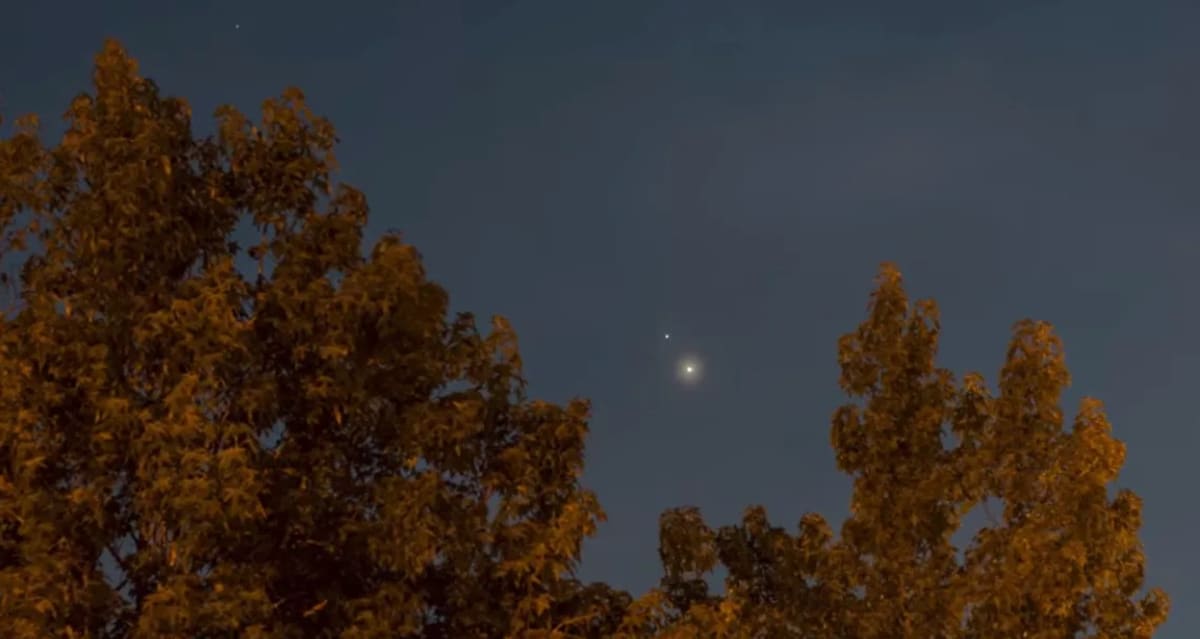
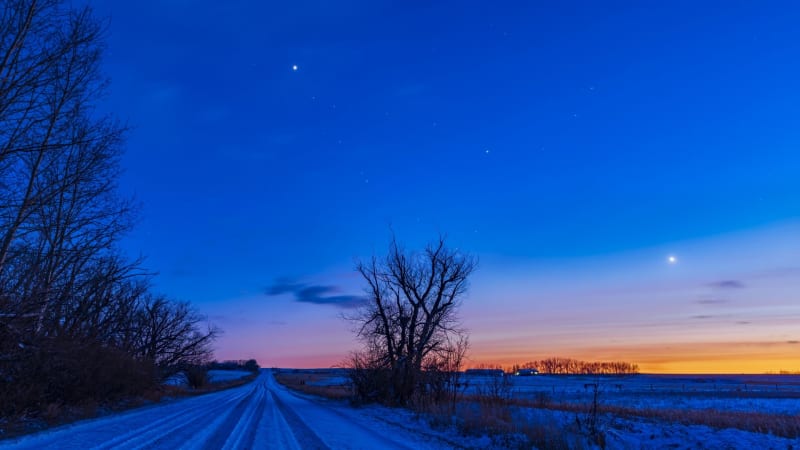
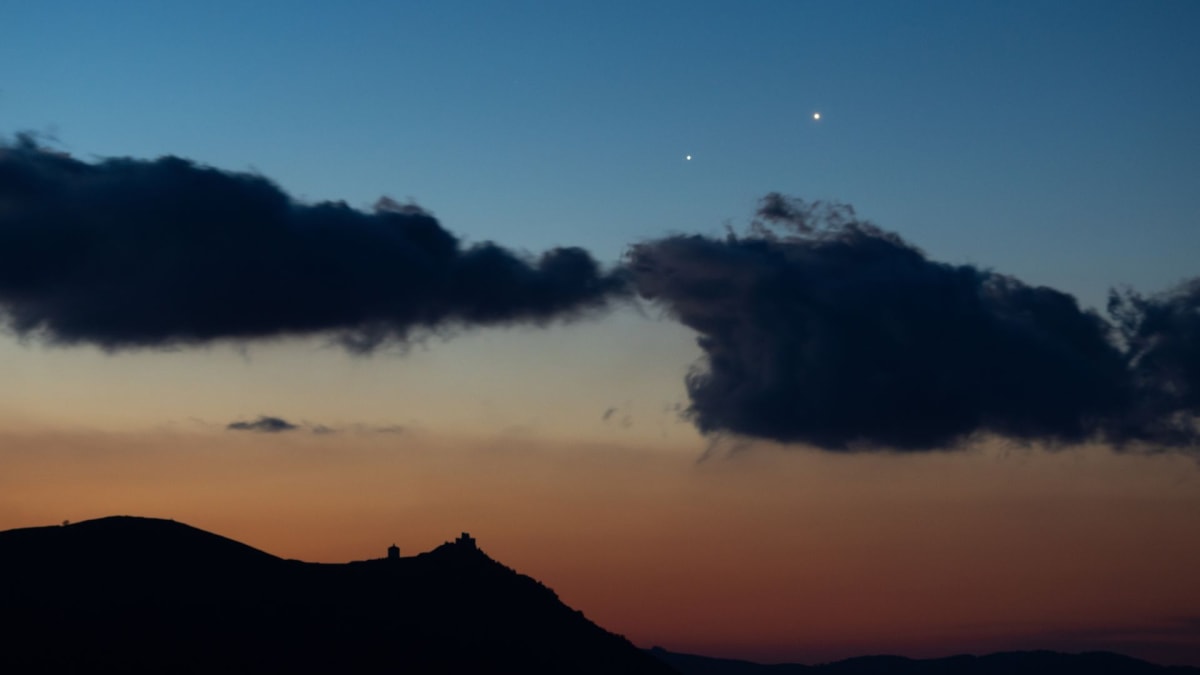
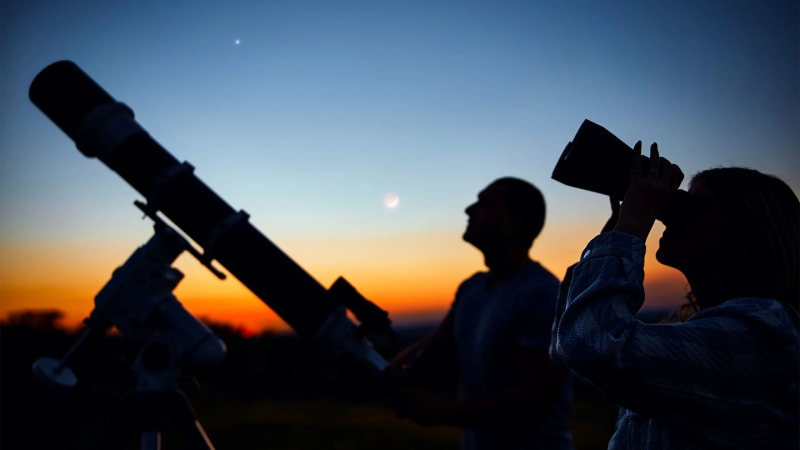
Two of the brightest planets in our sky will create a stunning visual display with the Moon in mid-June. No telescope needed—just look west after sunset.
Find uplifting stories about heroes, innovations, and solutions
253 results for "planets"

Two of the brightest planets in our sky will create a stunning visual display with the Moon in mid-June. No telescope needed—just look west after sunset.

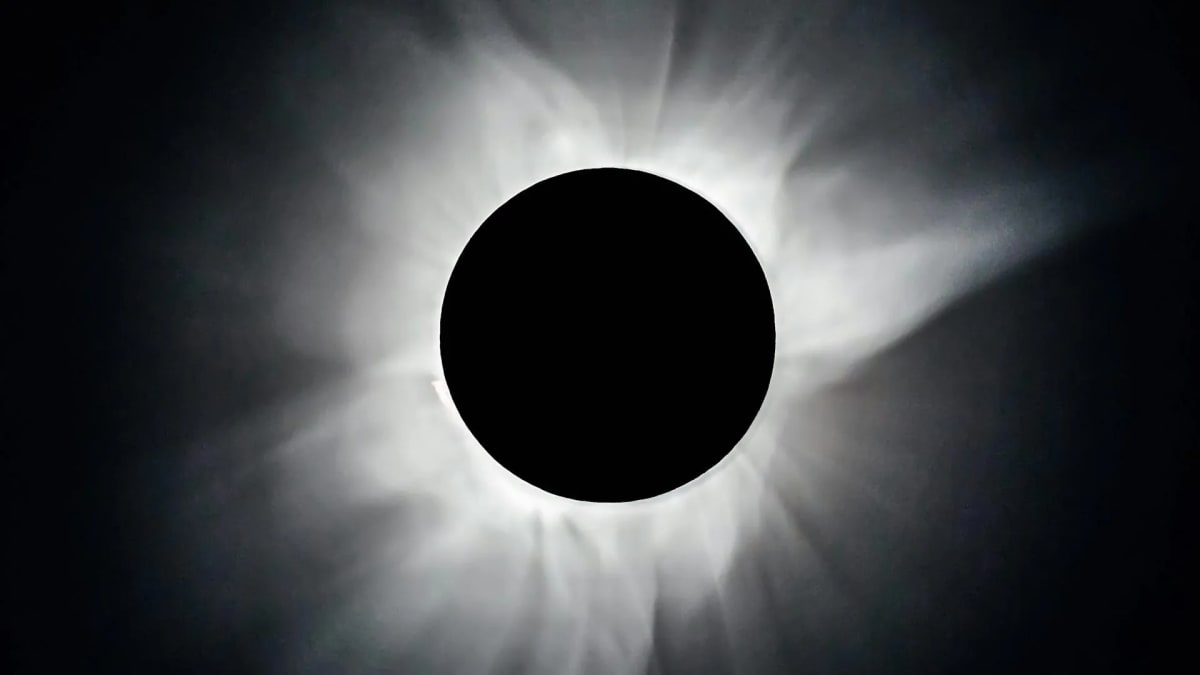
June 2026 brings a cosmic triple treat: Venus and Jupiter will dance together at sunset, the Moon will swallow Venus whole for viewers across the Americas, and summer's most spectacular deep-sky wonders return to the night sky.

The James Webb Space Telescope just captured the first detailed chemical fingerprint of a visitor from another star system, and it's surprisingly different from comets born near our Sun. The interstellar wanderer is rewriting what we know about how planets form in distant solar systems.

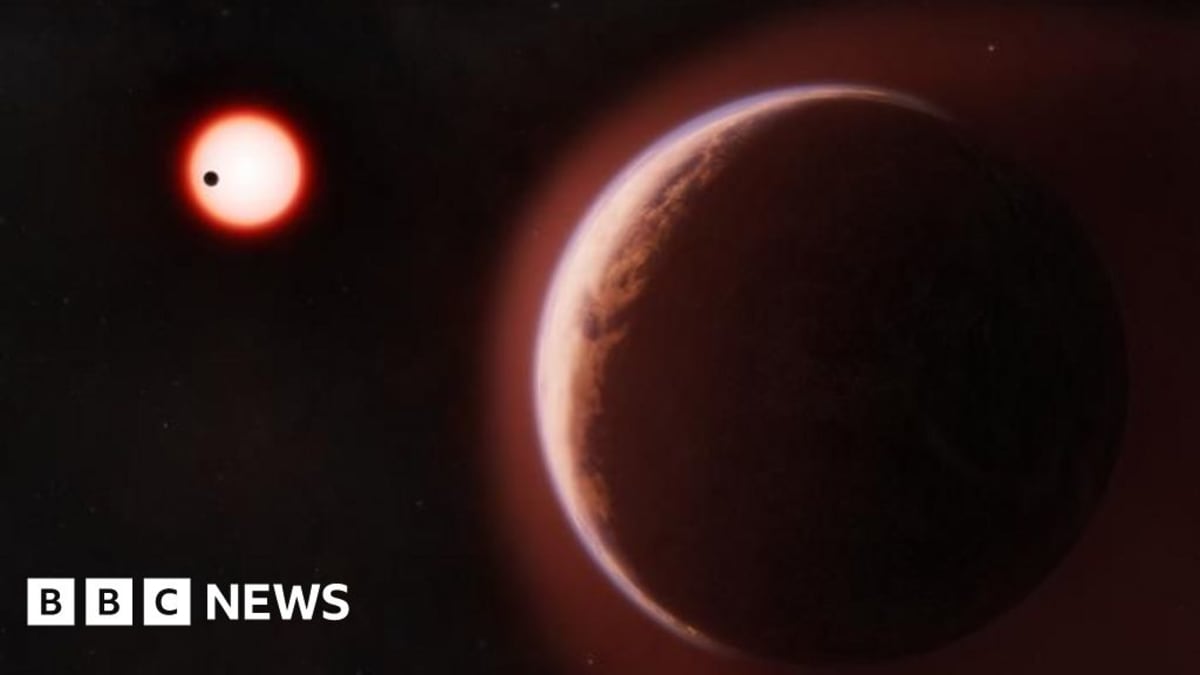
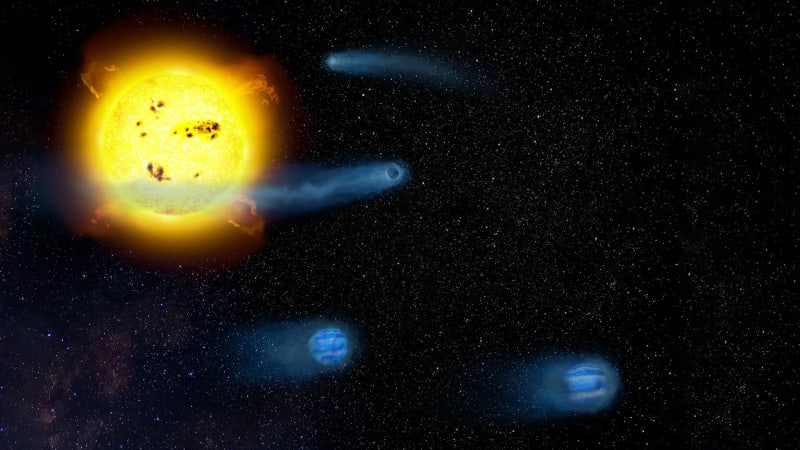
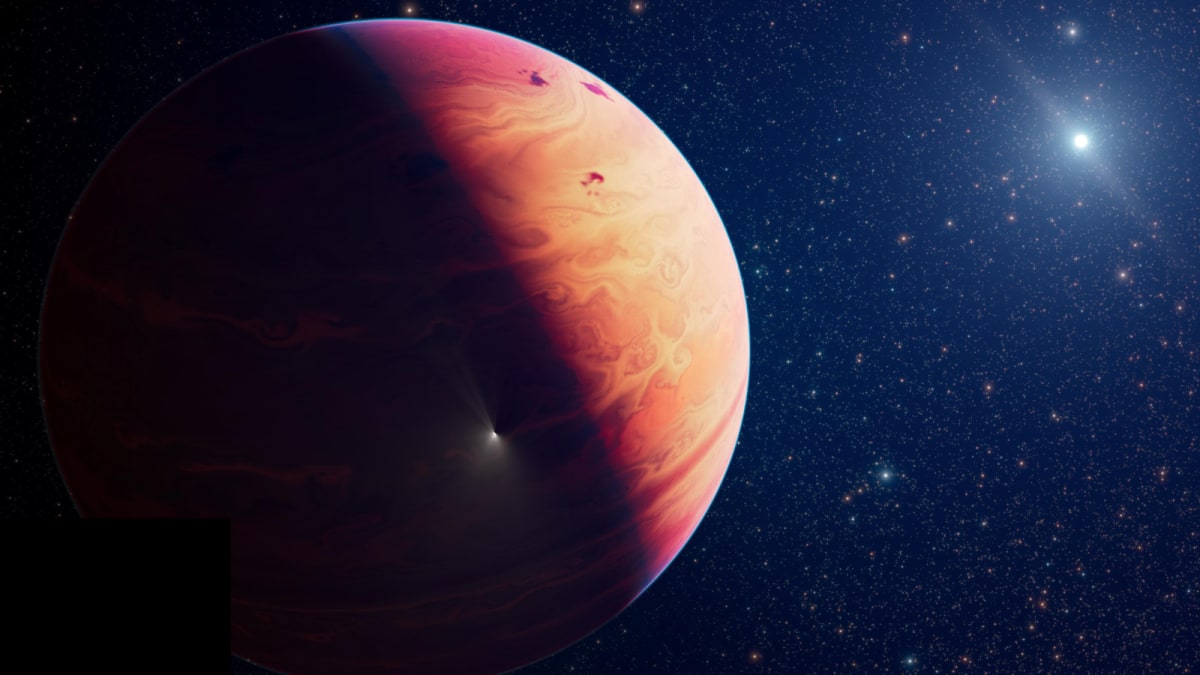
Astronomers have directly measured magnetic fields around planets beyond our solar system for the first time, opening a new pathway to finding worlds that could support life. The accidental discovery reveals which distant planets might protect atmospheres the way Earth does.

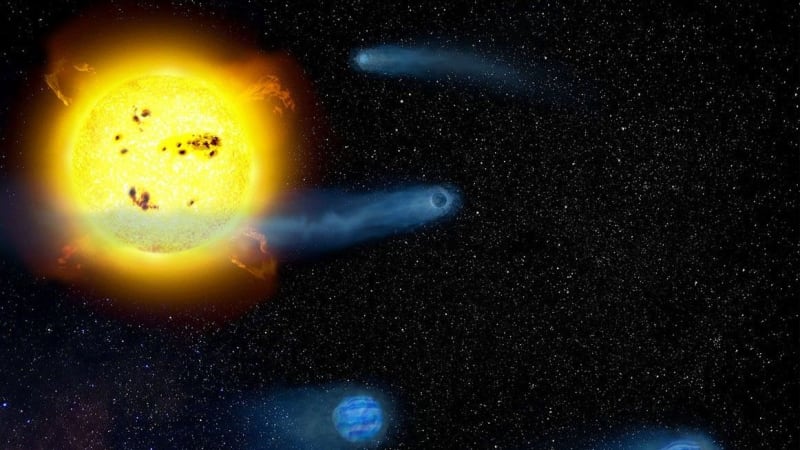
Astronomers just found the strongest proof yet that planets beyond our solar system have magnetic fields, a key ingredient that might help rocky worlds support life. By studying unusual wind patterns on seven distant gas giants, they uncovered evidence of invisible force fields similar to what protects Earth.

NASA's Nancy Grace Roman Space Telescope is launching a groundbreaking mission to find 100,000 new worlds beyond our solar system. The telescope will explore uncharted regions of the Milky Way, potentially discovering Earth-like planets that could change our understanding of life in the universe.

NASA's newest space telescope is about to make a crucial journey to Florida, bringing us one step closer to unlocking mysteries of dark energy and distant planets. The observatory will hunt for cosmic secrets we've never been able to see before.

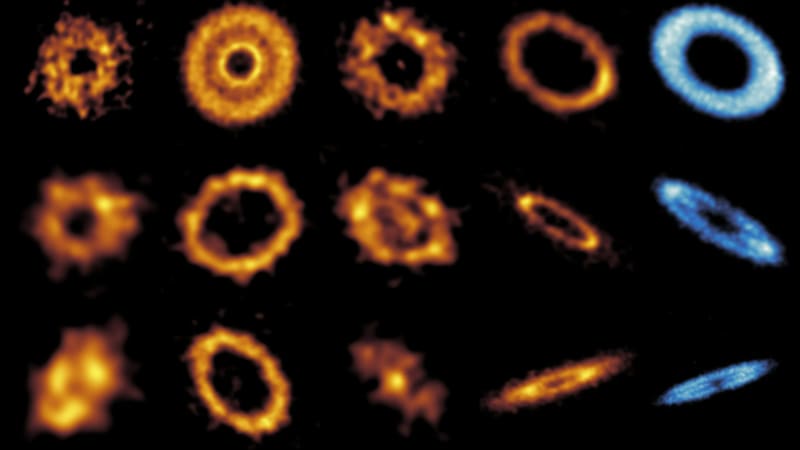
Astronomers discovered how to measure invisible exoplanets by reading the dusty rings they create around young stars. The breakthrough could reveal how our own solar system formed 4.6 billion years ago.

NASA's upcoming Roman Space Telescope could discover 100,000 new worlds beyond our solar system, dwarfing all previous planet discoveries combined. The mission will search unexplored regions of the Milky Way and reveal how planets form across different cosmic neighborhoods.
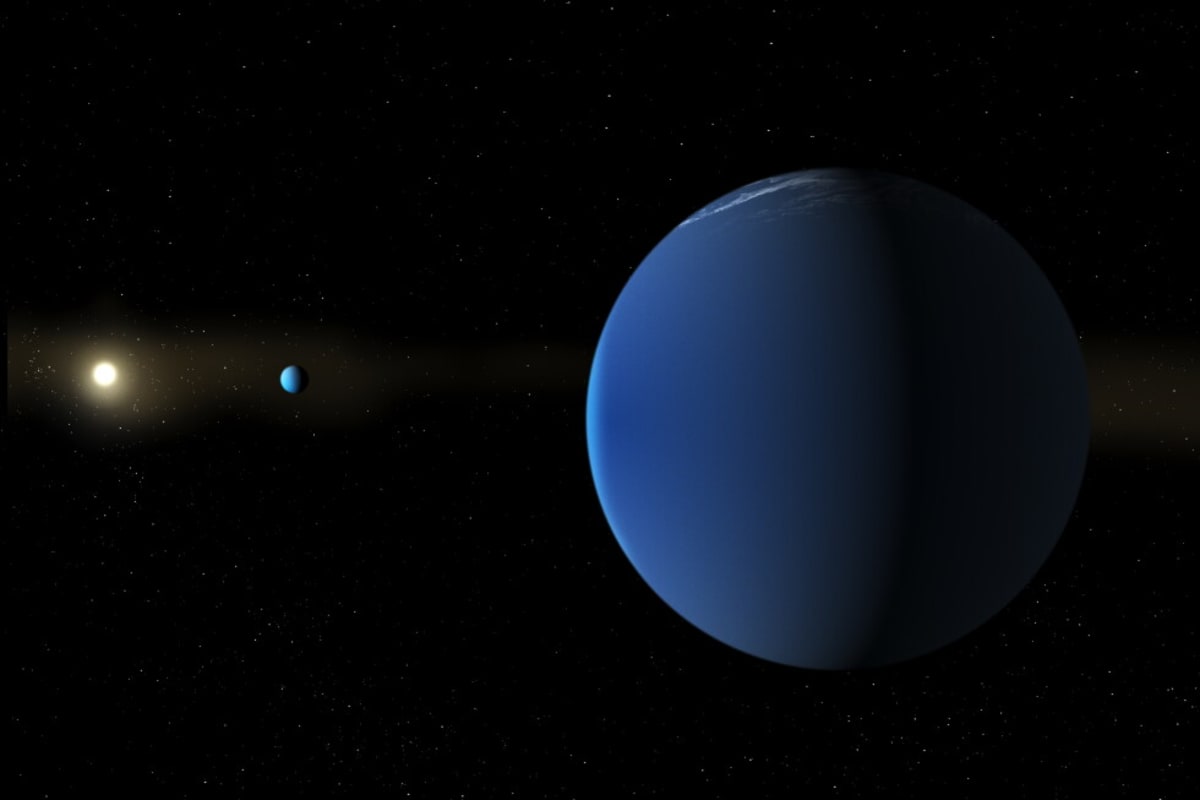
NASA's James Webb Space Telescope just revealed the atmosphere of TOI-199b, a Saturn-sized planet 330 light-years away with surprisingly Earth-like temperatures. This breakthrough marks the first time scientists have studied a temperate gas giant in detail, opening a new window into how planets form.

NASA's Roman Space Telescope is expected to discover 100,000 new worlds beyond our solar system, transforming our understanding of how planets form across the Milky Way. The mission will explore distant regions of our galaxy never before studied for planets.

NASA just completed the final inspection of the Nancy Grace Roman Space Telescope's massive infrared mirror, clearing the way for a September 2026 launch. This $4 billion telescope will hunt for exoplanets and unlock mysteries of dark matter from its perch a million miles from Earth.

Scientists discovered a ring-shaped region beyond Jupiter's orbit that acted like a planetary nursery, creating the building blocks of planets when our solar system was young. This breakthrough explains the mysterious origins of rare meteorites that still land on Earth today.

For the first time, scientists have mapped daily weather patterns on a planet 700 light-years away, revealing mornings filled with metallic clouds that vanish by evening. The James Webb Space Telescope's powerful eye is unlocking secrets about distant worlds we could never see before.

NASA's newest space telescope will discover more planets in five years than humanity has found in all of history combined. The Roman Space Telescope, launching in 2027, will also create the first real census of mysterious rogue planets drifting through space without stars.

NASA's Roman Space Telescope is about to reveal 100,000 previously unknown planets across our galaxy, helping scientists understand how worlds form in different cosmic neighborhoods. The mission will explore uncharted regions of the Milky Way, including Earth's birthplace near the galactic center.

Astronomers discovered two pairs of Jupiter-sized planets floating through space without a star, strengthening evidence that these mysterious objects are real. The finding comes from a different region of the Milky Way than previous discoveries.

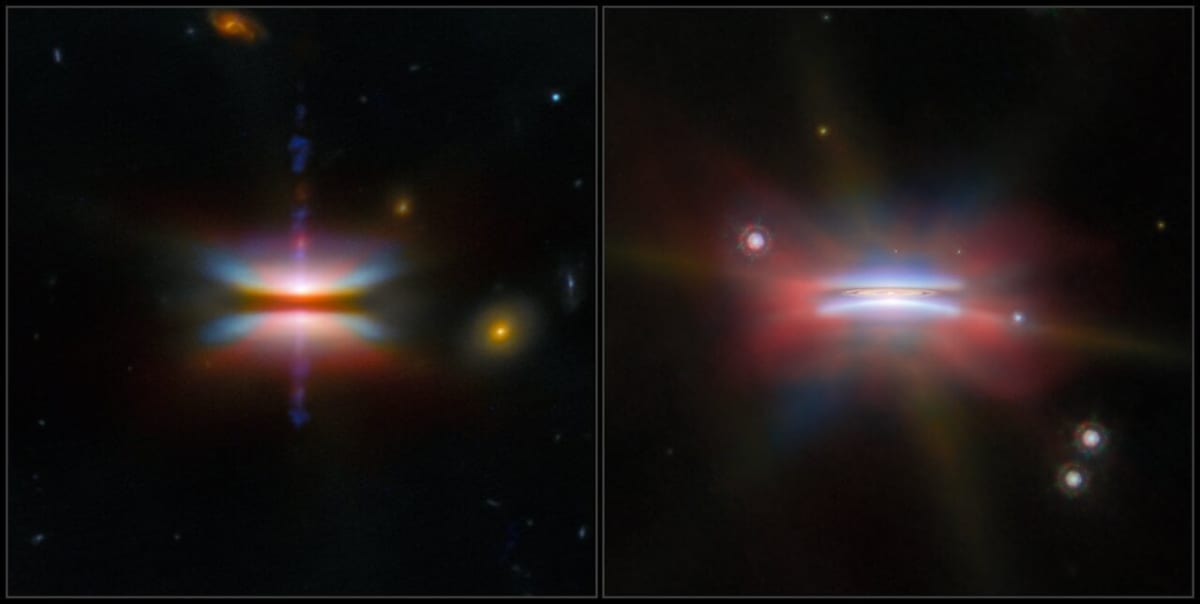
The James Webb Space Telescope just gave us the most detailed look ever at how star clusters emerge from cosmic clouds, tracking nearly 9,000 clusters at different life stages. The discovery reveals a surprising twist about where planets can form.

Scientists just discovered a planet where clouds made of rocky minerals appear every morning and vanish by nightfall. The James Webb Space Telescope gave astronomers their clearest view yet into this bizarre alien world.

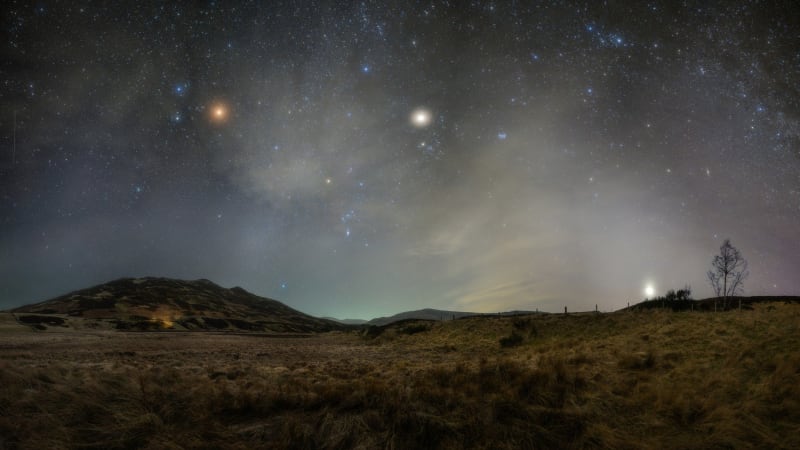
Jupiter, Venus, and Mercury will create a stunning "planetary bridge" visible in the western sky on May 27, offering skywatchers a rare celestial show. You won't need fancy equipment to catch this mini parade of planets stretching between the constellations of Gemini and Taurus.
Showing 20 of 253