3 Planets Align Tonight in Western Sky After Sunset
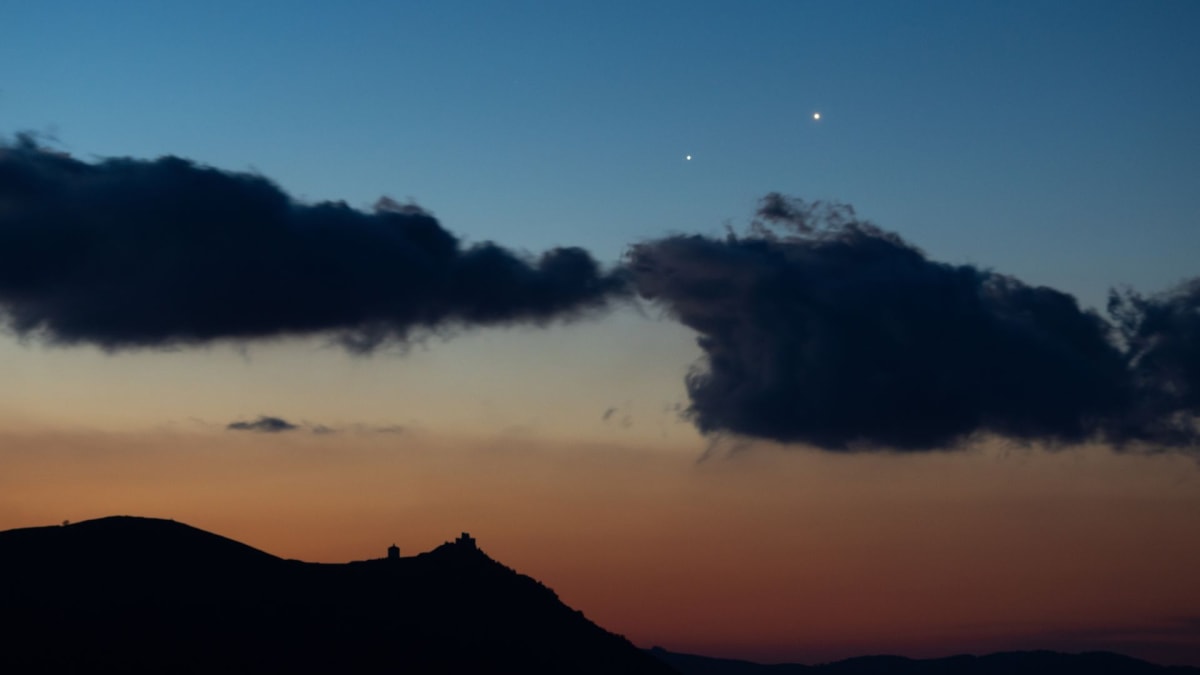
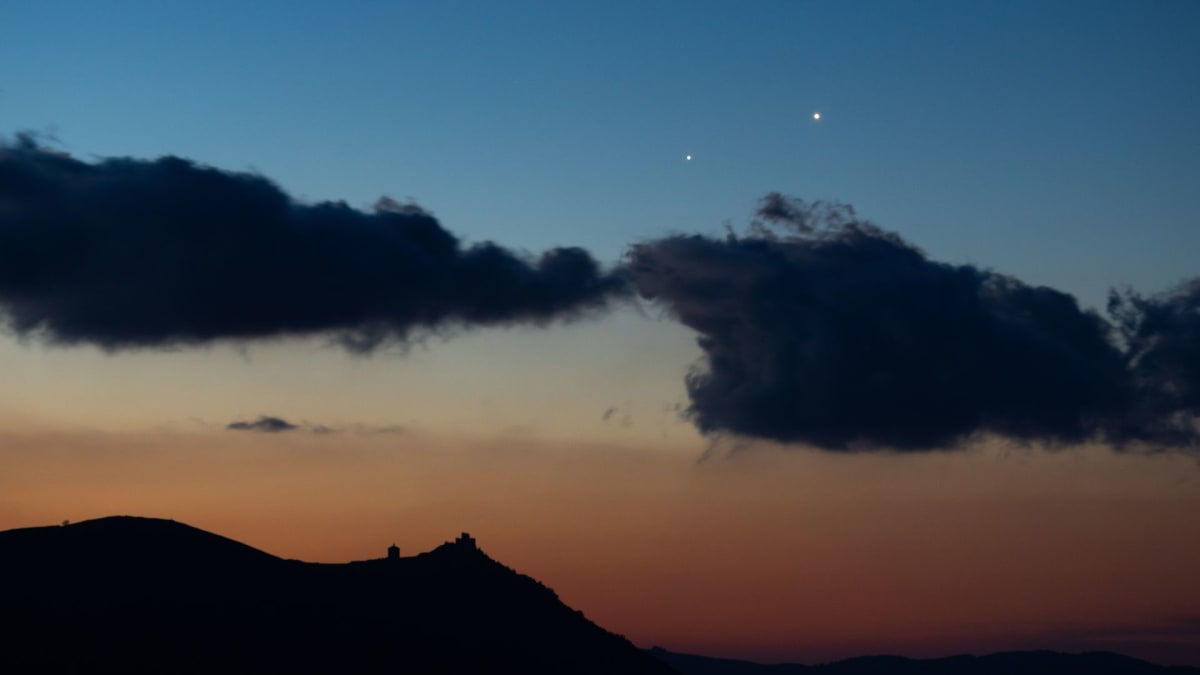
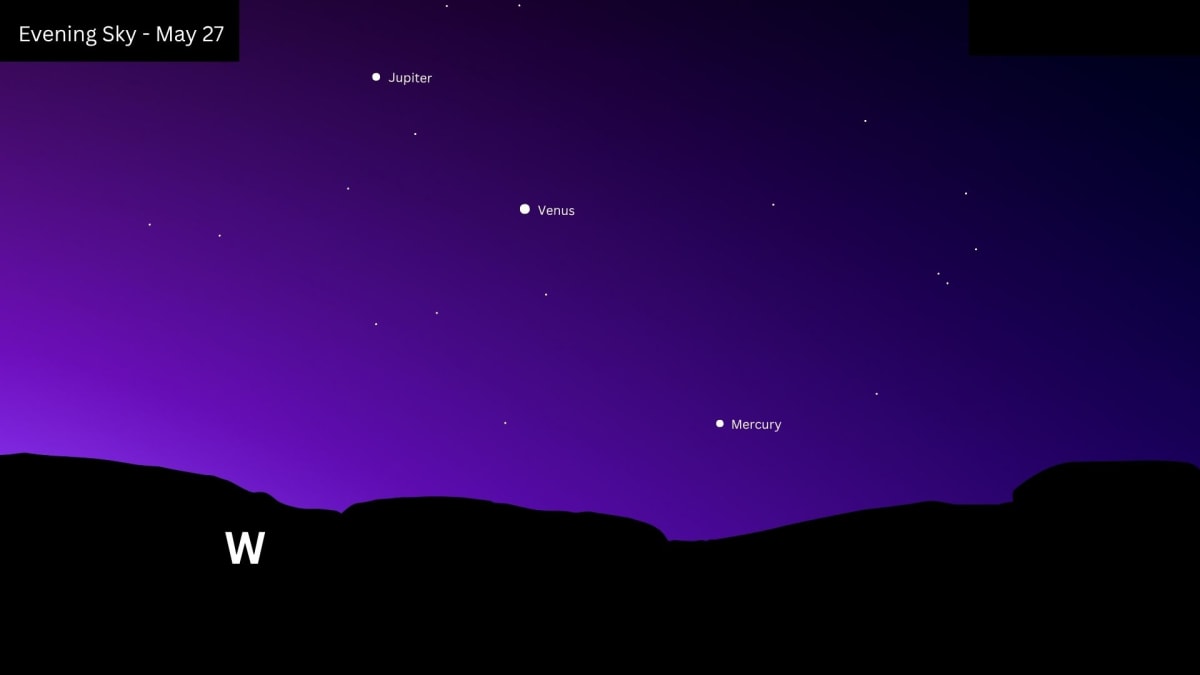
Jupiter, Venus, and Mercury will create a stunning "planetary bridge" visible in the western sky on May 27, offering skywatchers a rare celestial show. You won't need fancy equipment to catch this mini parade of planets stretching between the constellations of Gemini and Taurus.
Three bright planets are lining up tonight to create a spectacular show that you can watch right from your backyard, no telescope required.
Jupiter, Venus, and Mercury will form a planetary bridge across the western sky on May 27, creating a celestial alignment visible shortly after sunset. Jupiter will shine brightest about 30 degrees above the horizon, with Venus appearing as a brilliant star-like point to its lower right and Mercury twinkling closer to the horizon.
The timing makes this particularly accessible for casual stargazers. Mercury will set less than 90 minutes after the sun, followed by Venus about an hour later, while Jupiter will remain visible until just before midnight. Wait until the sun dips safely below the horizon before pointing any binoculars skyward to avoid eye damage.
Mercury might prove the trickiest to spot in the sunset's glow, but clear skies should reveal all three worlds to the naked eye. For those with binoculars or a small telescope, Jupiter offers an extra treat: its four large Galilean moons (Io, Europa, Ganymede, and Callisto) appear as bright points clustered around the gas giant's glowing disk.
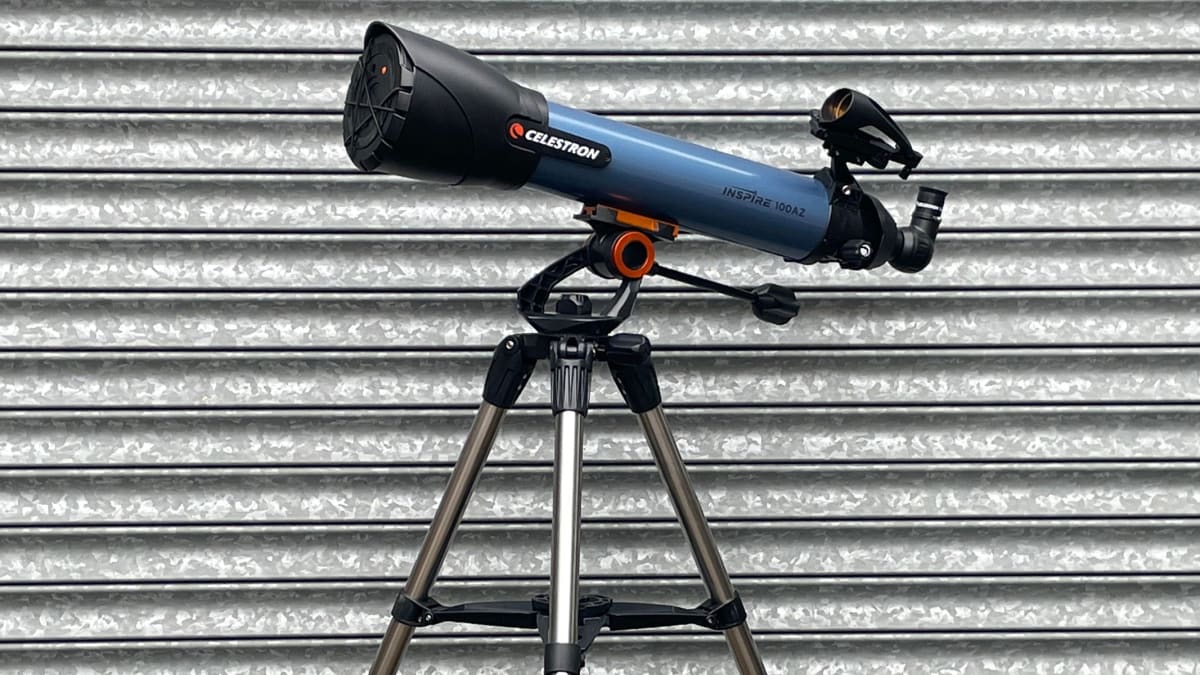
Larger telescopes reveal even more wonders. A 4-inch scope can show Venus's moon-like phases, while 6 to 8-inch instruments bring Jupiter's colorful cloud bands and massive storms into view. These tempests dwarf Earth's most powerful hurricanes, offering a humbling glimpse of our solar system's raw power.
The Bright Side
Celestial events like this remind us that some of nature's most awe-inspiring shows require nothing more than looking up. While our daily lives often keep our eyes glued to screens, the universe continues its ancient dance overhead, free for anyone to witness.
Jupiter will eventually sink below the western horizon alongside Castor and Pollux, the twin stars of Gemini, marking the end of tonight's planetary performance. You can use resources like Time and Date's daylight tracker to find your exact local sunset time and plan your viewing accordingly.
The universe is putting on a free show tonight, and all you need is a clear view of the western horizon and a few minutes to look up.
More Images
Based on reporting by Space.com
This story was written by BrightWire based on verified news reports.
Spread the positivity!
Share this good news with someone who needs it