NASA: 'New Star' Could Blaze Into View Any Day Now
A cosmic explosion 3,000 light-years away could create a "new star" visible to the naked eye at any moment, giving skywatchers a once-in-80-years spectacle. The Blaze Star will shine as bright as the North Star for nearly a week when it finally erupts.
Get ready to witness something your great-grandparents might have seen: a stellar explosion so brilliant it creates what looks like a brand new star in the night sky.
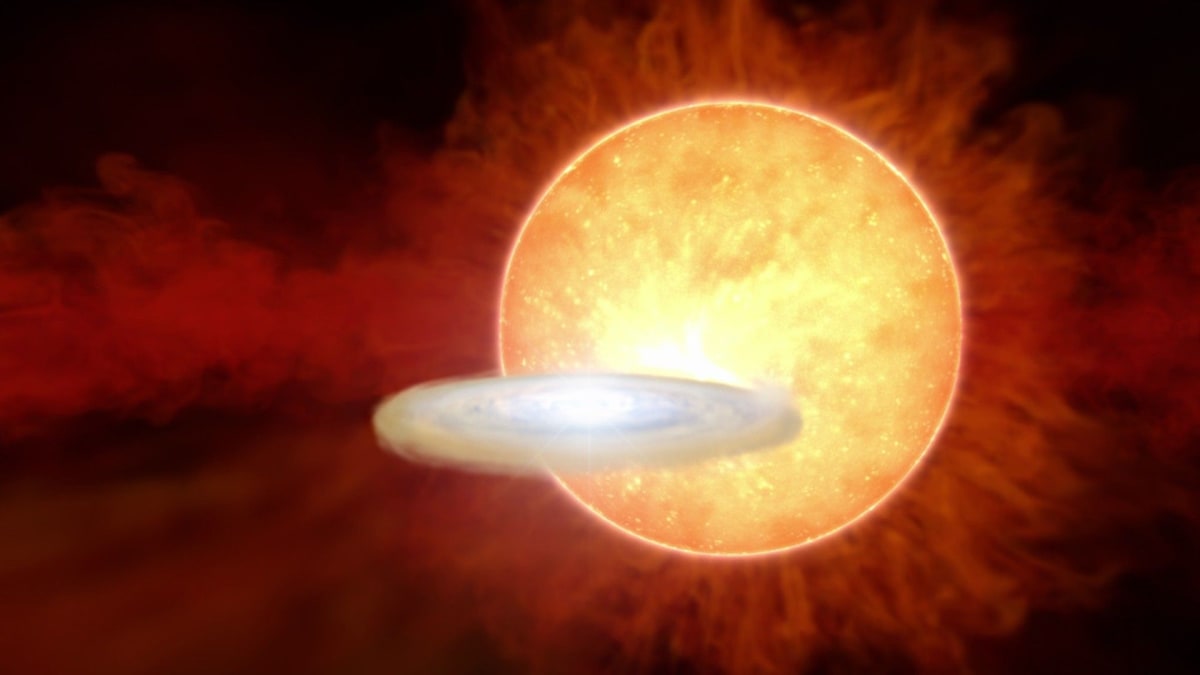
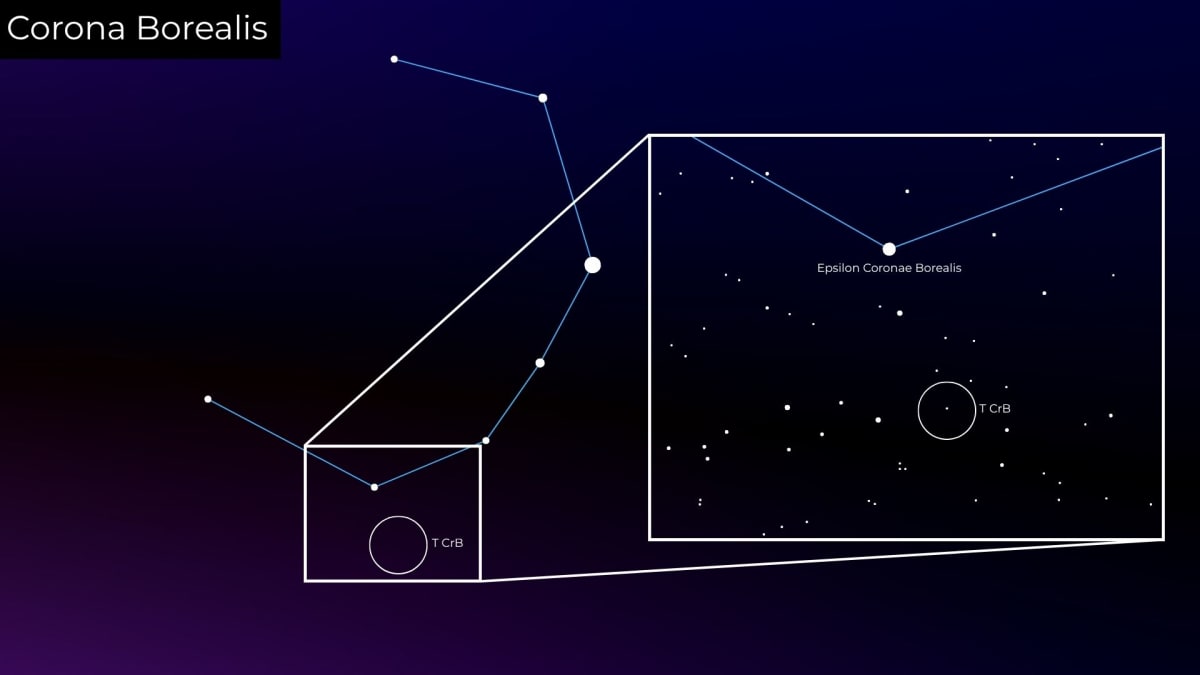
T Coronae Borealis, nicknamed the "Blaze Star," sits 3,000 light-years from Earth in the constellation Corona Borealis. This unusual star system contains a white dwarf that's been slowly stealing material from a neighboring red giant star, building up fuel like a cosmic pressure cooker.
Every 80 years or so, the white dwarf reaches a breaking point and erupts in a thermonuclear explosion called a nova. The last time this happened was 1946, and astronomers say the next show could start literally any day now.
When it does, stargazers won't need fancy equipment to see it. The normally invisible star will suddenly jump in brightness to match Polaris, the North Star, becoming easily visible to anyone looking up at the night sky.
Only five recurring novas like this exist in our entire Milky Way galaxy, making this an incredibly rare event. "We know it has to happen," says NASA astrophysicist Elizabeth Hays. "We just can't pin it down to the month."
The explosion won't harm Earth since the star system is so far away. Instead, it offers a safe front-row seat to one of the universe's most dramatic natural fireworks displays.
Why This Inspires
This celestial event reminds us that even in our busy, screen-filled lives, the universe still holds surprises that can unite everyone under the same sky. No tickets required, no special access needed—just step outside and look up.
The nova will remain bright enough to see without a telescope for about a week, giving families, classrooms, and communities worldwide a shared moment of wonder. It's the kind of natural spectacle that inspired ancient astronomers and continues to spark curiosity in new generations today.
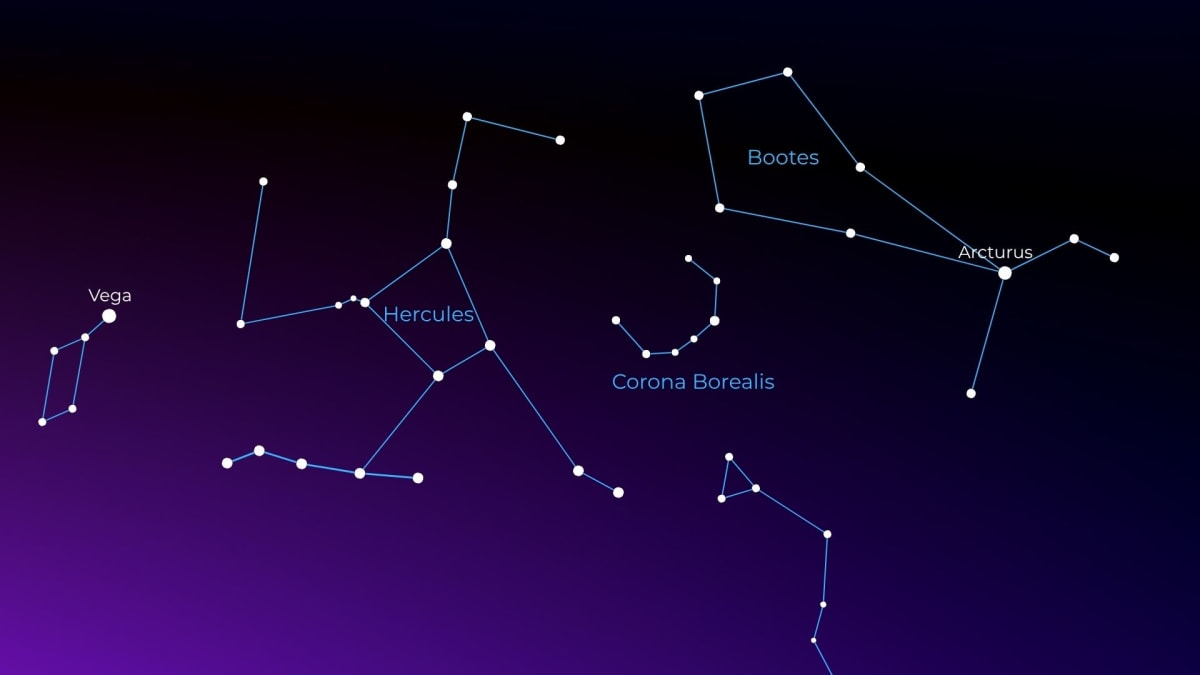
Astronomers encourage people to familiarize themselves with Corona Borealis now by finding it between the constellations Bootes and Hercules in the early summer evening sky. That way, when the Blaze Star suddenly appears, you'll know exactly where to look.
After its brief appearance, T Coronae Borealis will fade back into invisibility for another eight decades, making this a genuine once-in-a-lifetime opportunity for most of us.
The universe is about to put on a show, and everyone's invited.
More Images
Based on reporting by Google News - Science
This story was written by BrightWire based on verified news reports.
Spread the positivity!
Share this good news with someone who needs it