Monkeys Groom, Play With, and Adopt Animals From Other Species
Scientists have documented 427 cases of primates forming friendships with other animals, from macaques riding deer to gorillas cradling wild bushbabies. The widespread behavior reveals monkeys may share our remarkable capacity for cross-species connection.
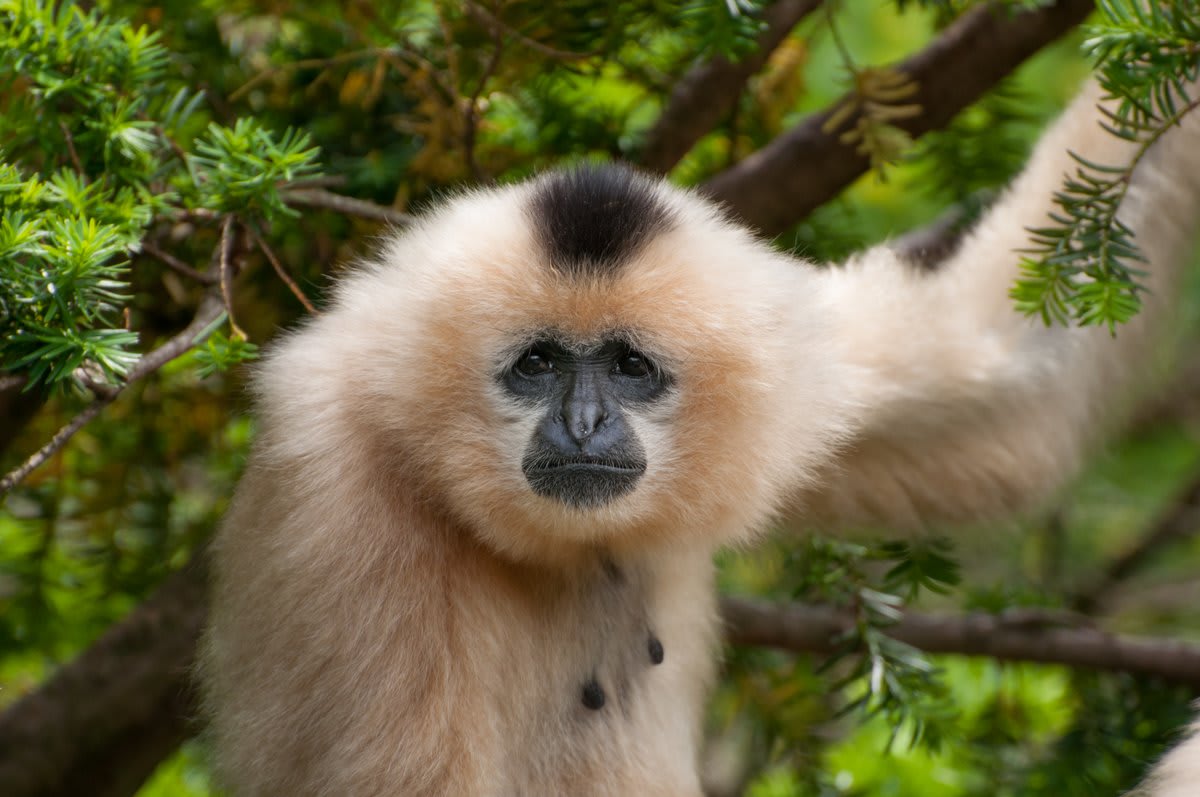
A gibbon at Shanghai Zoo gently cradled a mouse that wandered into its enclosure, stroking the tiny rodent with surprising tenderness instead of treating it as prey or a threat. Primatologist Cyril Grueter couldn't stop wondering why.
That curiosity led to a groundbreaking study. After years of collecting observations from fellow scientists, photographs, and videos, Grueter and his team compiled 427 documented cases of primates interacting socially with other species, spanning from the 1970s to 2025.
The findings reveal these encounters happen far more often than scientists realized. The study included 88 primate species interacting with 127 other animal species, from sheep and tapir to owls, lizards, toads, and even insects.
The most common behaviors were play and grooming, but researchers also found primates carrying, huddling with, sharing food with, and occasionally adopting members of other species. Most interactions were initiated by the primates themselves.
Japanese macaques groom and ride on the backs of sika deer in repeated peaceful encounters over long periods. A silverback gorilla carefully cradled a tiny wild bushbaby, while a bonobo gently held a mongoose pup and macaques groomed stray dogs.
Young primates were much more likely to play with other species, while adult females more often engaged in grooming. This mirrors established patterns in primate societies, where juveniles spend time playing and females invest heavily in caregiving.
Why This Inspires
These interactions may reveal something profound about where human compassion comes from. Our species forms extraordinary relationships with other animals, keeping pets, protecting wildlife, and caring for creatures completely different from ourselves.
Watching monkeys stroke squirrels or adopt baby marmosets suggests this capacity for cross-species tolerance and curiosity runs deeper in the primate family tree than we knew. Grooming helps remove parasites and reinforces social bonds, while play develops motor coordination and social skills, benefits that apparently extend beyond species boundaries.
Not every interaction was gentle. Some primates roughly handled infants from other species, occasionally causing injury, and researchers documented rare cases of violence or abduction.
But the overwhelming pattern showed curiosity, playfulness, and even tenderness. In one remarkable case, a macaque living in an Israeli zoo adopted a chicken and treated it like family.
The study suggests primates possess a broader capacity for social flexibility and tolerance than researchers previously appreciated. Some interactions happen because animals share space while foraging or seeking protection from predators, creating familiarity over time.
Yet that doesn't explain why a langur would stroke a squirrel or why wild monkeys would try climbing onto domestic pigs. These moments hint at something more: a genuine openness to connection across the boundaries that typically divide species in the animal kingdom.
More Images



Based on reporting by Scientific American
This story was written by BrightWire based on verified news reports.
Spread the positivity!
Share this good news with someone who needs it