Scientists Find First Atmosphere on Rocky Habitable Planet
Astronomers discovered the first atmosphere surrounding an Earth-like rocky planet in the habitable zone of a distant star, bringing us closer to finding life beyond our solar system. The planet, located 48 light-years away, marks a groundbreaking step in the search for worlds where life could exist.
Scientists just made a discovery that brings humanity one giant step closer to answering whether we're alone in the universe.
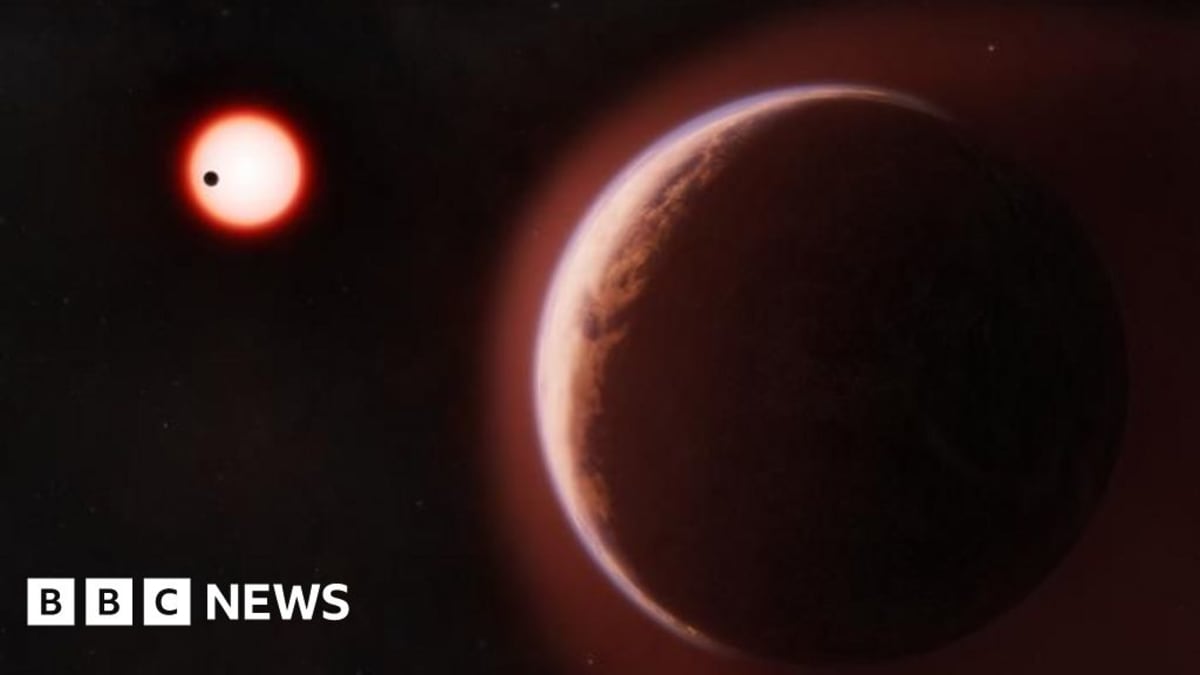
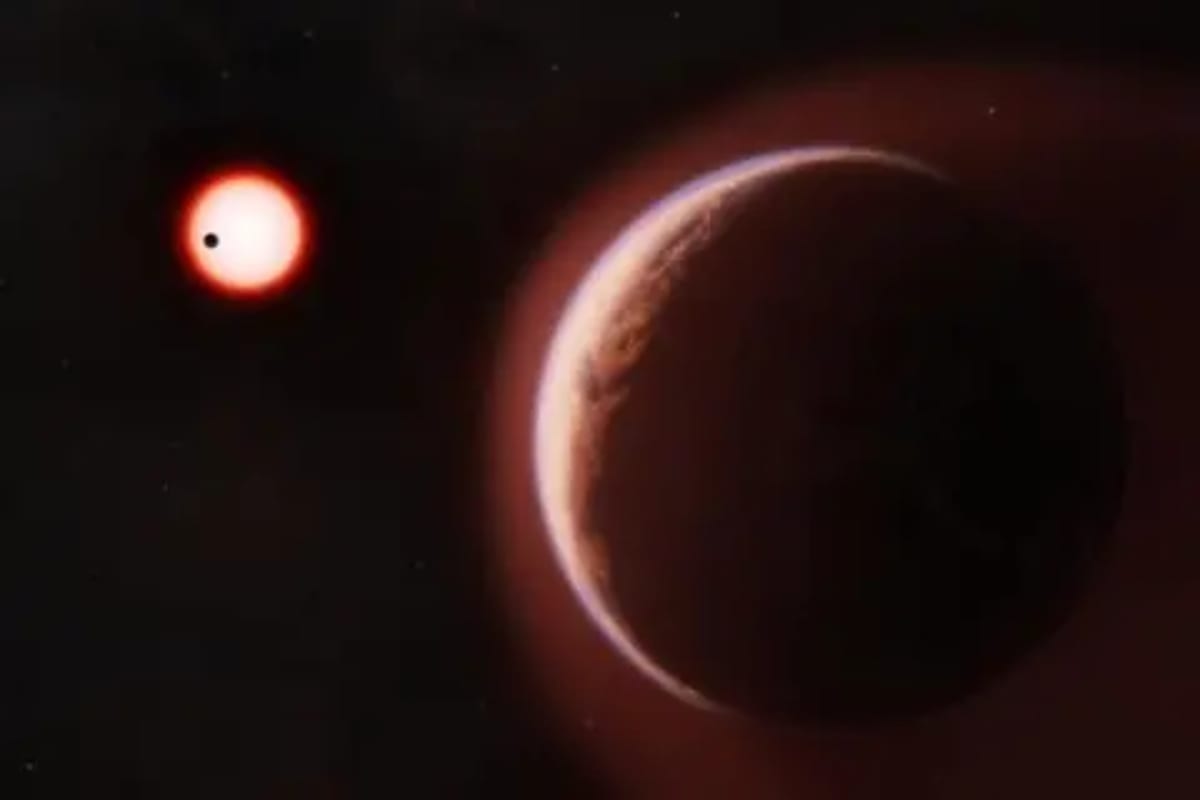
For the first time ever, researchers have detected an atmosphere around a rocky, Earth-like planet orbiting in the habitable zone of another star. The planet, named LHS 1140 b, sits 48 light-years from Earth and circles a small, cool red star.
Dr. Collin Cherubim of Harvard University, who led the research team, called it "a big deal." His excitement is justified because this discovery provides the strongest evidence yet that worlds with Earth-like conditions exist beyond our solar system.
More than 6,000 planets have been found orbiting distant stars, but LHS 1140 b checks multiple boxes on the list of requirements for potentially supporting life. It's rocky like Earth, not a gas giant, and it orbits in what scientists call the "Goldilocks zone," where conditions are not too hot and not too cold but just right for liquid water to exist.
The atmosphere detected so far contains helium, which alone wouldn't support life as we know it. However, other gases that could sustain life might exist in the lower atmosphere, waiting to be discovered in future observations.
Dr. David Charbonneau, also from Harvard, emphasized what makes this finding so important. The big questions that captivate humanity, like whether we're alone in the universe, require exactly this kind of discovery as a foundation for future research.
The search for life beyond Earth continues on multiple fronts. Scientists recently investigated K2-18b, where they thought they found signs of dimethyl sulphide, a gas linked to marine life on Earth, but the signal proved too weak to confirm. The seven rocky worlds of the TRAPPIST-1 system also remain under close watch, though results have been inconclusive so far.
Why This Inspires
This discovery represents decades of technological advancement and human curiosity working together. The James Webb Space Telescope and other cutting-edge instruments are giving us the power to peer across vast cosmic distances and analyze the chemical makeup of distant worlds. What once seemed like pure science fiction is becoming achievable science fact.
Each new finding teaches us something valuable about how planets form, how atmospheres develop, and where conditions for life might arise. Even negative results help narrow the search and refine our understanding.
The journey from discovering that a planet exists to confirming it has an atmosphere to potentially finding signs of life takes patience, but every milestone matters. LHS 1140 b just became our best candidate yet for a world that might, someday, reveal we're not alone.
More Images

Based on reporting by BBC Science
This story was written by BrightWire based on verified news reports.
Spread the positivity!
Share this good news with someone who needs it