Rocky Planet With Atmosphere Could Support Life
Scientists have confirmed a rocky planet 48 light-years away has a real atmosphere, a breakthrough in the search for life beyond Earth. The planet sits in the habitable zone where liquid water could exist on its surface.
For the first time, scientists have found solid evidence that a rocky planet outside our solar system has a genuine atmosphere, bringing us closer to answering one of humanity's biggest questions: Are we alone?
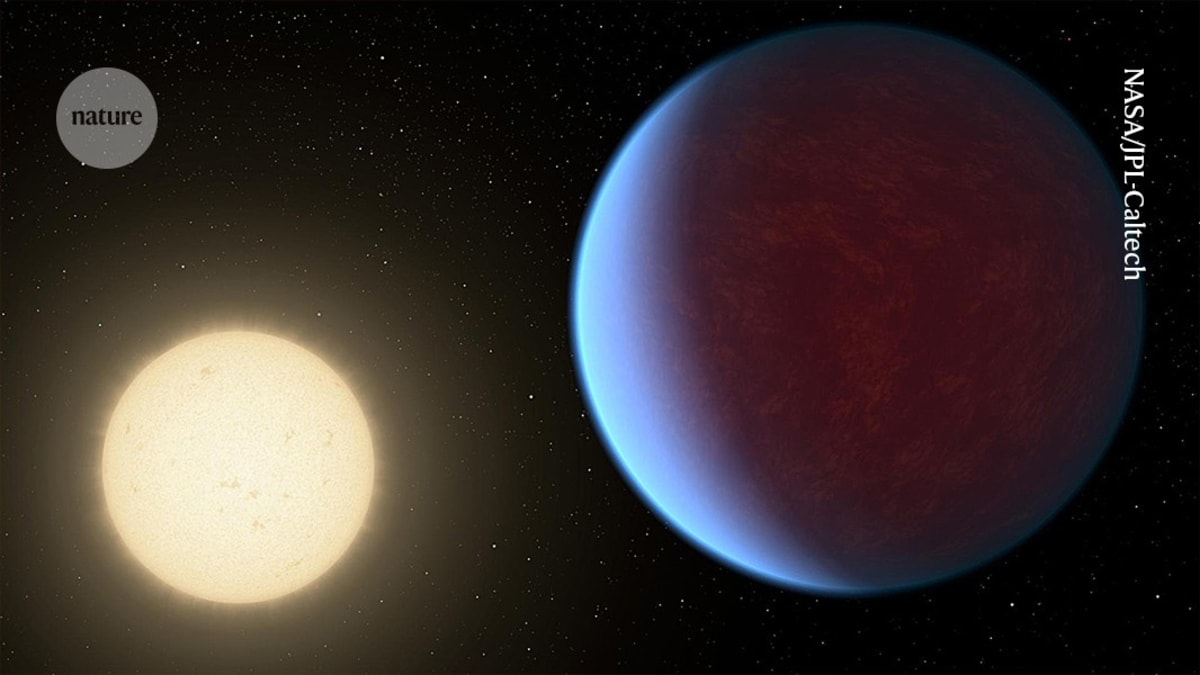
The planet, called LHS 1140b, orbits a red dwarf star about 48 light-years from Earth. Researchers detected helium escaping from its outer atmosphere using a powerful telescope in Chile, confirming what they've long hoped to find.
This discovery matters because atmospheres are essential for life as we know it. They regulate climate, shield planets from harmful radiation, and make liquid water possible on a planet's surface.
LHS 1140b sits in what astronomers call the "habitable zone," the sweet spot around a star where temperatures allow water to stay liquid. Combined with its rocky surface and now-confirmed atmosphere, the planet checks three critical boxes for potentially hosting life.
Collin Cherubim, a planetary scientist at Harvard University who led the research, explains that finding atmospheres on rocky planets has been a major goal for years. Most rocky exoplanets discovered so far have been airless worlds or had atmospheres too faint to detect.
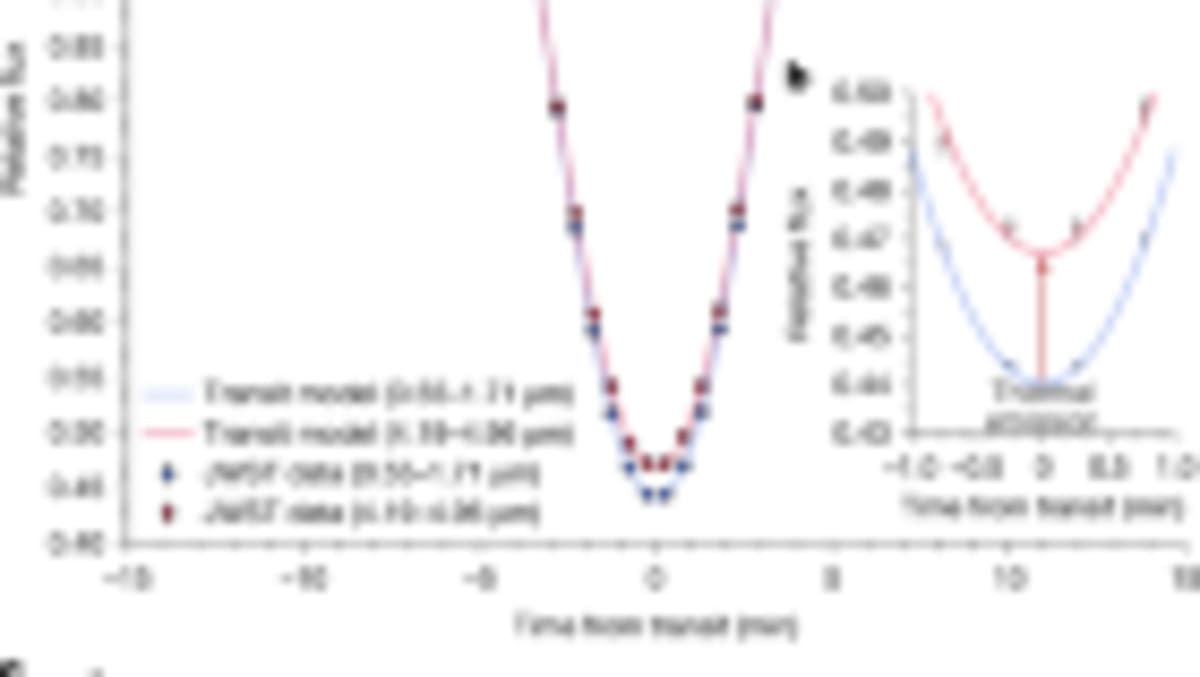
The team observed LHS 1140b twice, once in 2024 and again in 2025, watching it for more than six hours each time. Their instruments picked up clear signatures of helium streaming away from the planet's upper atmosphere.
Scientists suspect the inner atmosphere might contain water vapor and carbon dioxide, though they haven't confirmed that yet. Future observations will reveal more about what's actually in the air on this distant world.
Why This Inspires
This breakthrough opens a new chapter in space exploration. For decades, we've wondered whether Earth-like planets with protective atmospheres exist elsewhere in the universe.
Sara Seager, an astrophysicist at MIT, calls the findings "an amazing missing piece of the puzzle." The discovery proves that small, rocky planets can indeed hold onto atmospheres, something that wasn't certain until now.
While scientists caution that more observations are needed to confirm the results, the detection of helium marks a turning point. It shows we now have the technology to study the air on planets dozens of light-years away.
The research also gives scientists a roadmap for finding other promising worlds. They chose LHS 1140b based on computer models that predicted it would have escaping helium, and those predictions proved correct.
Each new discovery like this narrows our search for life beyond Earth, helping us understand which planets deserve closer attention. What once seemed like science fiction is becoming routine scientific investigation.
The universe just got a little less lonely.
More Images
Based on reporting by Nature News
This story was written by BrightWire based on verified news reports.
Spread the positivity!
Share this good news with someone who needs it