Giant Planet Discovery Reveals How Massive Worlds Form
The James Webb Space Telescope found a supergiant planet that collected metal-rich materials as it formed, solving a cosmic mystery about how the universe's largest planets are born. This discovery could rewrite our understanding of planet formation.
Scientists just discovered how the universe builds its most massive planets, and the answer changes what we thought we knew about world-making.
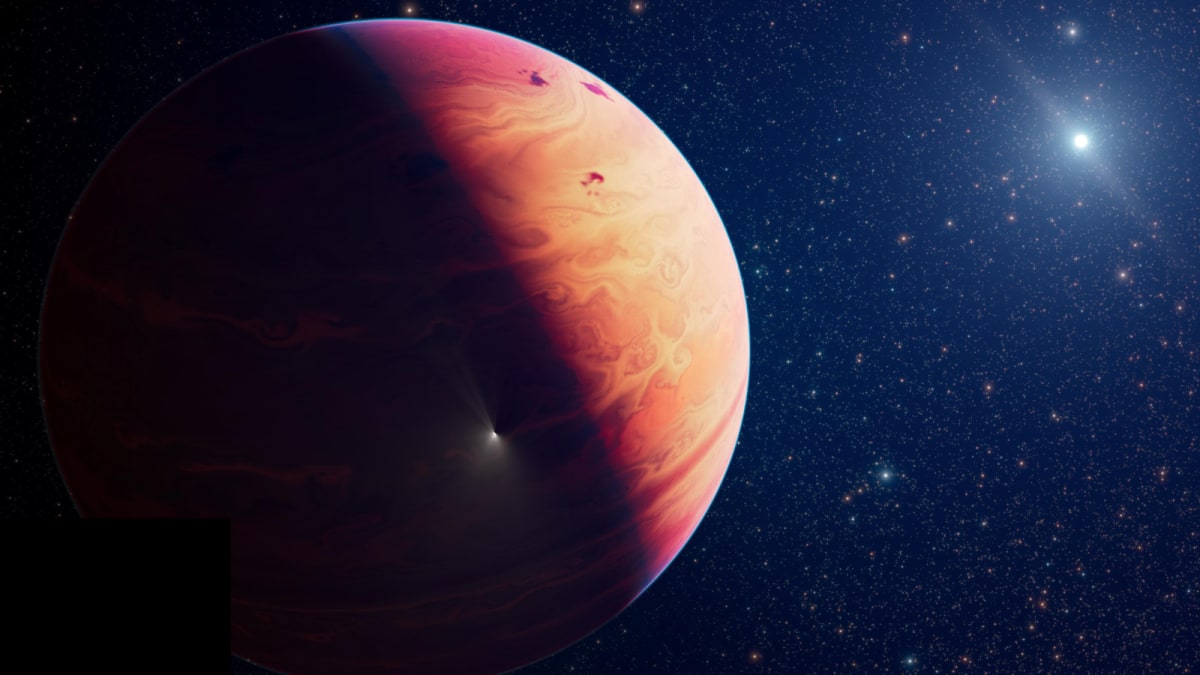
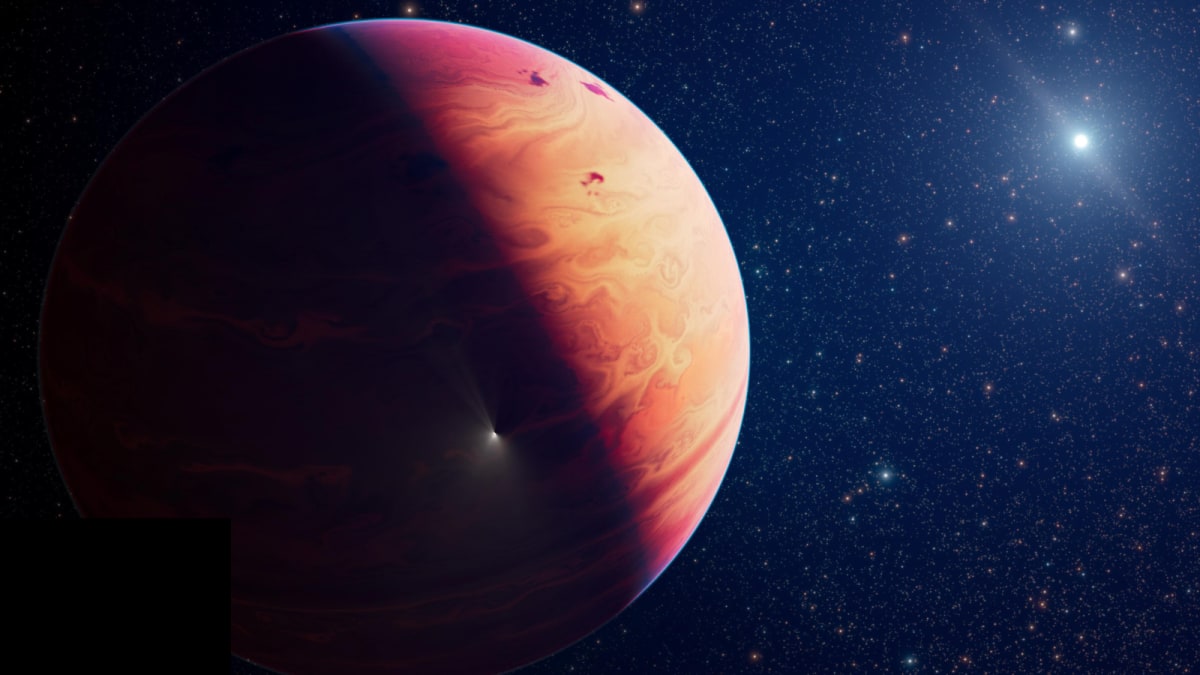
The James Webb Space Telescope spotted something remarkable about 29 Cygni b, a gas giant 15 times heavier than Jupiter floating 133 light-years from Earth. This planetary heavyweight sits right on the edge between what we call a planet and what we call a star.
Most planets form through a "bottom-up" process. Tiny chunks of rock and ice bump together over millions of years, slowly growing into worlds. But astronomers couldn't figure out how this gradual process could create something as massive as 29 Cygni b.
The leading theory suggested these giants must form like stars do, through a "top-down" collapse of dense gas clouds. But Webb's observations revealed a different story.
Using its Near-Infrared Camera, the telescope measured the chemical makeup of 29 Cygni b's atmosphere. The planet contains 150 times more metals than Earth and far more than its parent star. That's the smoking gun scientists needed.
This metal-richness proves the giant planet formed the same way smaller planets do. It just got really greedy during its cosmic childhood, gobbling up metal-enriched chunks from the swirling disk of material around its young star.
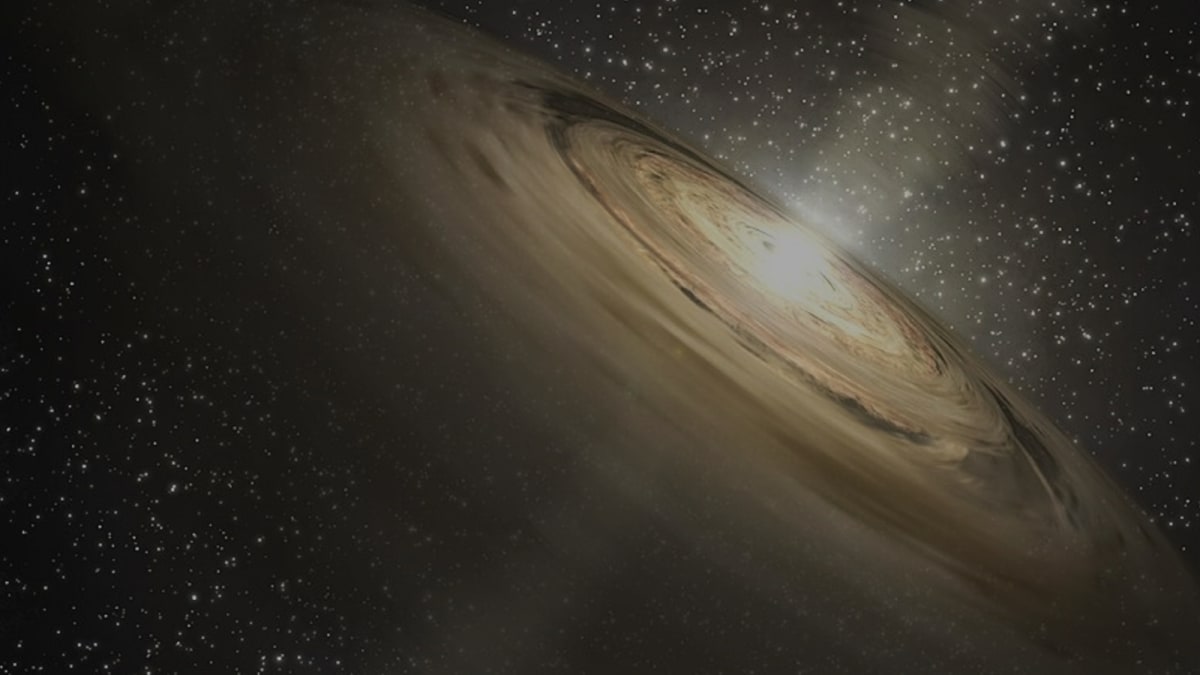
The team also discovered that 29 Cygni b's orbit matches the rotation of its star perfectly. This alignment confirms the planet grew within a protoplanetary disk, just like Earth and Mars did in our own solar system billions of years ago.
Why This Inspires
This breakthrough shows that nature is more flexible than we imagined. Even the most extreme planets in our galaxy can form through the same patient, gradual process that built our home world. The universe doesn't need special rules for special cases.
The research team is now studying three similar supergiant planets to see if they also feasted on metal-rich materials during formation. Each observation brings us closer to understanding how our Milky Way creates its incredible diversity of worlds.
The discovery proves that even the giants among planets started small, collecting cosmic crumbs one piece at a time until they grew into the massive worlds we see today.
More Images


Based on reporting by Google: James Webb telescope
This story was written by BrightWire based on verified news reports.
Spread the positivity!
Share this good news with someone who needs it