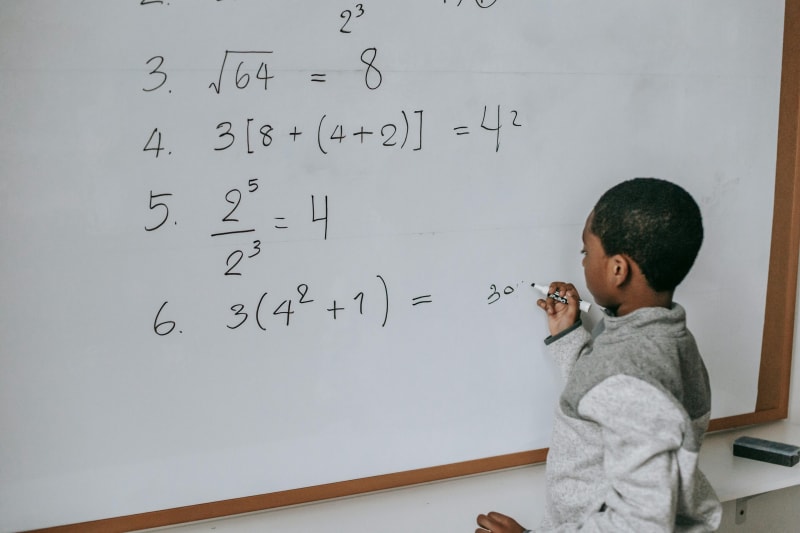
Just 3 Hours of Math Practice Boosts Kids' Test Scores
New research shows that even a few hours of online math practice per year can measurably improve student performance. The study of 200,000 students offers hope as math scores nationwide continue to decline.
A new study brings good news for students struggling with math: even small amounts of practice can make a real difference.
Researchers at Stanford University and the University of Toronto analyzed data from more than 200,000 students who used Khan Academy's online math program between 2021 and 2023. They discovered that kids who spent just a few hours on the platform each year showed measurable gains on standardized tests.
The findings matter especially now. Math scores for fourth and eighth graders have dropped significantly since the pandemic, creating gaps that can limit future opportunities for students across the country.
The secret lies in something called "mastery learning." Unlike traditional classrooms where everyone moves forward together, these programs let students advance at their own pace. They only progress after proving they understand the material, not after completing a set number of problems or hitting a time limit.
"It robs those individuals of opportunities, and it robs our society of their contributions," says Emma Brunskill, associate professor of computer science at Stanford. "Anything we can do to better foster math proficiency is really important."
The study found a clear pattern: the more students used the platform, the better they performed on external tests. Even modest engagement showed benefits, with improvements appearing roughly linear across the zero to 30 hours of annual usage the researchers tracked.
Why This Inspires
This research tackles a puzzling contradiction. Decades of rigorous studies show these mastery-based programs work, yet schools rarely use them. One major reason is practical: they require teachers to manage students working at different levels simultaneously, which can feel overwhelming compared to traditional worksheets.
But the Stanford team wanted to understand whether the benefits hold up in real classrooms, not just controlled experiments. Their analysis captured how the technology performs in everyday school settings across the country, with all the messy realities that entails.
The researchers acknowledge limitations. This wasn't a randomized controlled trial, so other factors could influence the results. The study also doesn't address completely replacing traditional instruction, just supplementing it with modest technology use.
Still, the evidence suggests a practical path forward. Teachers don't need to overhaul their entire curriculum to help students catch up.
Small changes, just a few hours spread across a school year, can create meaningful progress for kids who need it most.
More Images
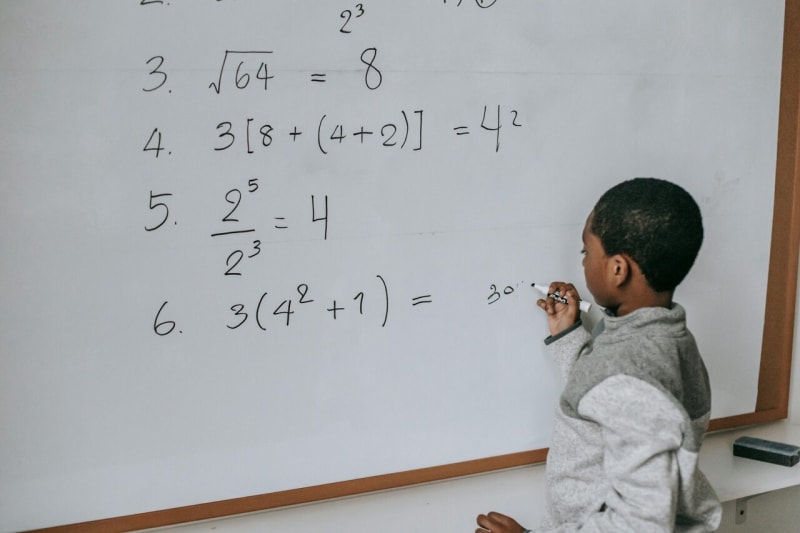
Based on reporting by Phys.org
This story was written by BrightWire based on verified news reports.
Spread the positivity!
Share this good news with someone who needs it

%2Ffile%2Fattachments%2F2994%2FBW_SD3_113_589531.jpg)