Kangaroo Island's Little Penguins Bounce Back After Crisis
Australia's tiny penguins are making a comeback after a harmful algal bloom threatened their survival. The 704 adult birds counted in 2025 show nature's resilience when communities rally together.
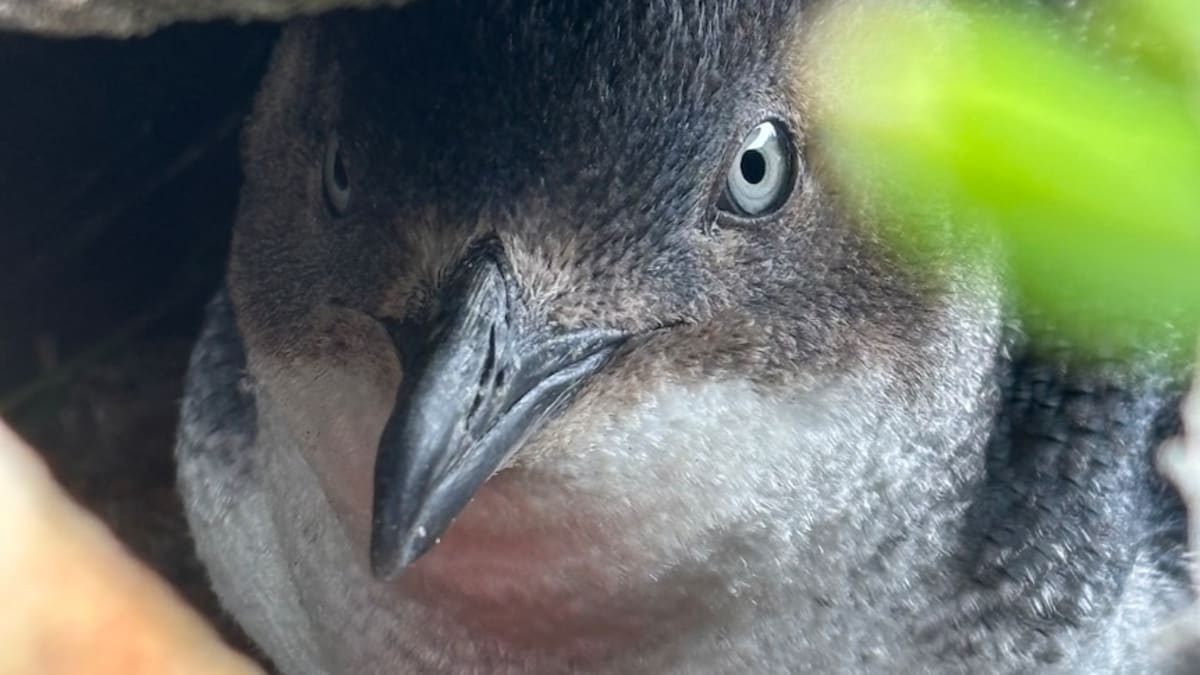
The little penguins of Kangaroo Island are giving Australians a reason to smile after weathering one of their toughest years on record.
These pint-sized seabirds, standing just 12 inches tall, have rebounded to 704 adult breeding penguins in 2025 after hitting a historic low of 540 in 2024. While still half their 2011 numbers, the increase signals hope for the island's beloved colony off the coast of South Australia.
The penguins faced a double threat last year when a harmful algal bloom swept through their waters during a marine heatwave. The toxic algae devastated squid populations, a staple of their diet, and forced the resilient birds to adapt quickly.
"They seem to be eating enough," said Alex Comino, coasts project officer with the Kangaroo Island Landscape Board. The penguins switched to feeding on pilchards and sardines that could swim away from the algae, showing remarkable flexibility in their survival skills.
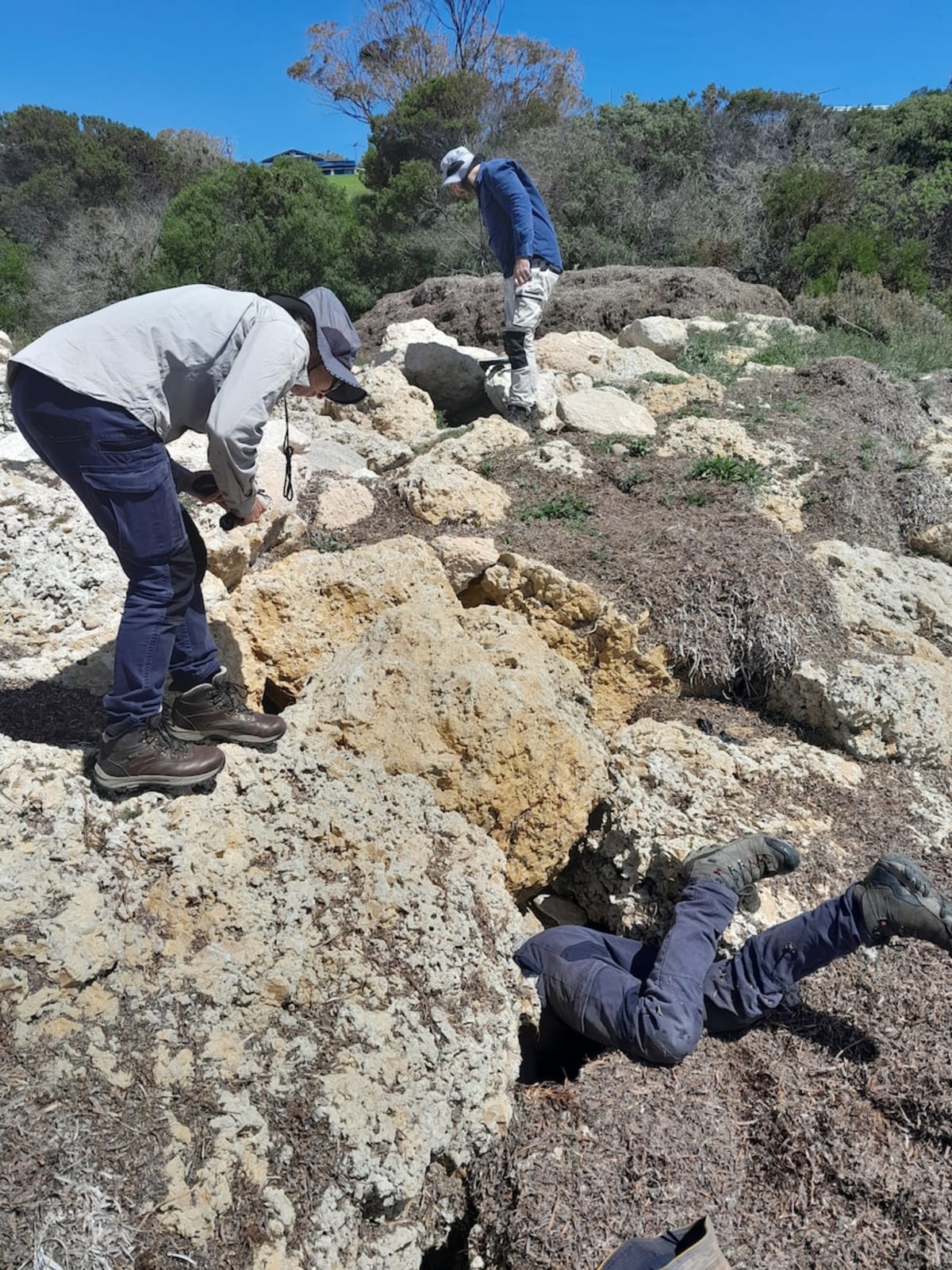
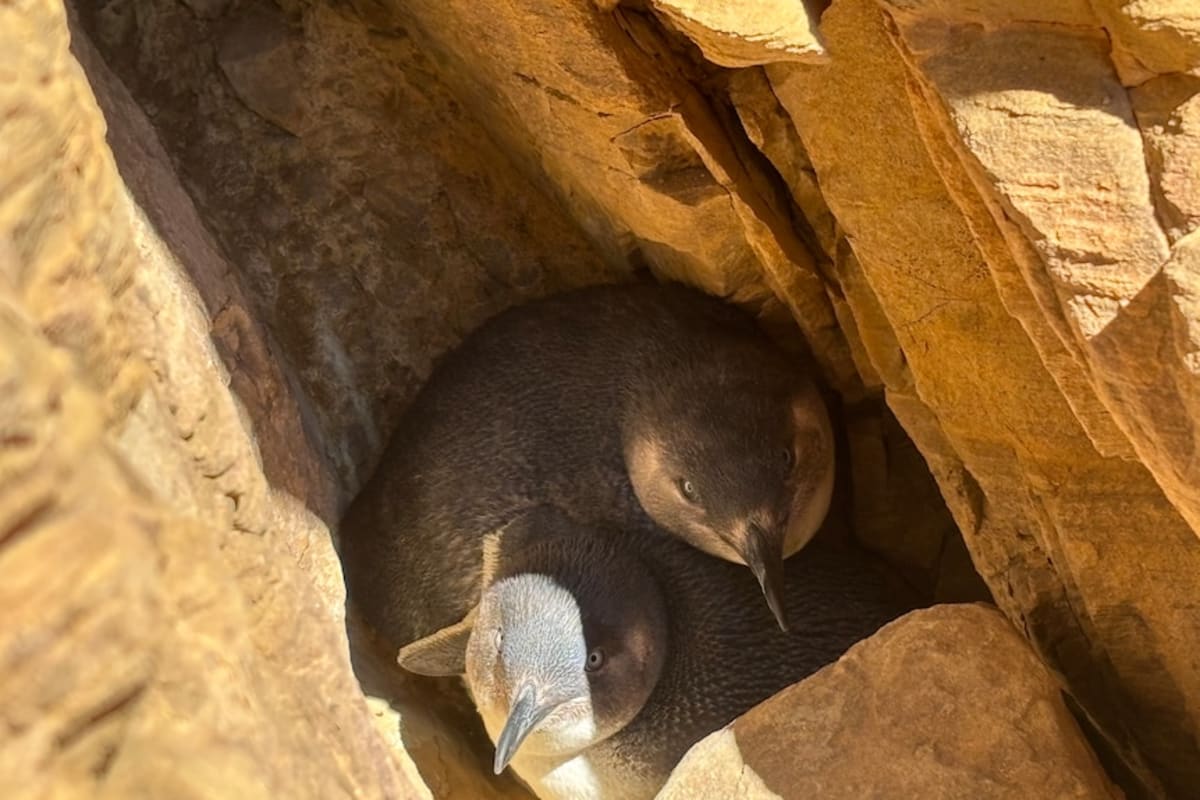
Researchers found 352 active burrows tucked into rocky crevices across eight colonies during their October survey. The biggest colony at Emu Bay hit a record high of 332 birds, while Penneshaw recorded its best numbers since 2012 with 206 penguins.
The Ripple Effect
The penguin recovery reflects something bigger happening on Kangaroo Island. Locals remember decades past when penguins walked through streets and their nighttime calls echoed through neighborhoods, and they're determined to help restore those days.
Community volunteers have joined forces across generations to protect their feathered neighbors. Students from the Young Environmental Leaders program teamed up with Rotary Club members to build and refurbish artificial burrows at Emu Bay, giving penguins safe places to nest away from predators.
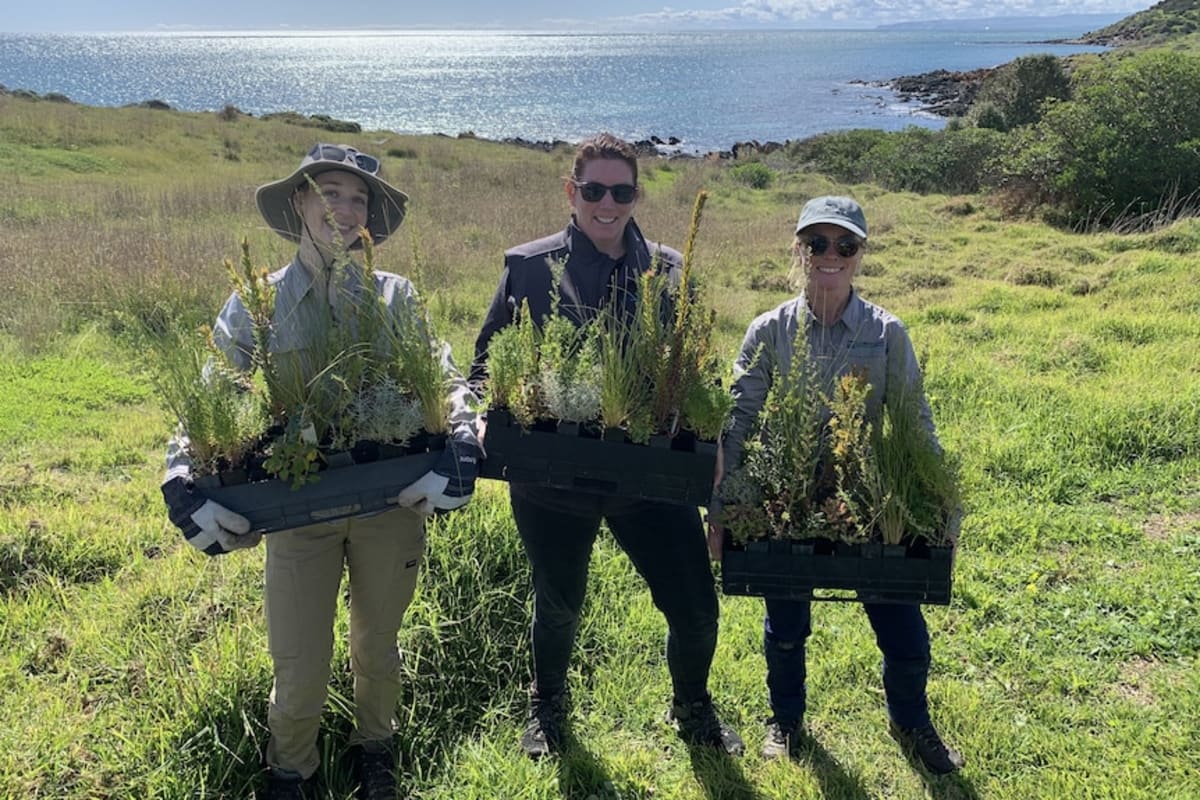
Residents are keeping pet cats indoors and dogs away from nesting areas. Weeding parties and revegetation projects are restoring native plants around colonies, creating better habitat for the birds.
Dr. Diane Colombelli-Negrel, a behavioral ecologist at Flinders University who has studied these penguins for over a decade, sees promise in the trend. "It's bringing hope that there could be some increase," she said, noting similar recovery patterns on nearby Granite Island.
The coming years will reveal whether this rebound continues, but for now, the little penguins are proving that with community support and natural resilience, even the smallest creatures can overcome big challenges.
More Images
Based on reporting by ABC Australia
This story was written by BrightWire based on verified news reports.
Spread the positivity!
Share this good news with someone who needs it