Kano Gets $2B Metro Rail to Transform Urban Transit
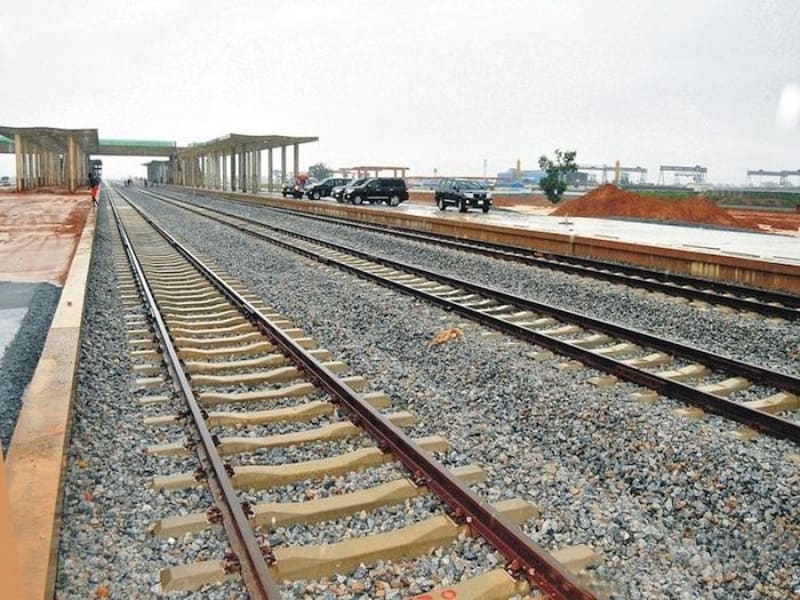
Nigeria's Federal Government approved a ₦1 trillion ($2 billion) metropolitan rail system for Kano, promising to ease traffic and boost economic growth in one of West Africa's largest cities. The modern transit network will connect key districts across the bustling metropolis.
A major infrastructure investment is coming to Kano, Nigeria's second-largest city, bringing hope for easier commutes and stronger economic ties across the sprawling metro area.
The Federal Government approved construction of a ₦1 trillion metropolitan rail service designed to transform how millions of residents move through the city. Governor Abba Kabir Yusuf announced the project will create a modern, efficient, and affordable mass transit system connecting key districts throughout the metropolis.
The rail network addresses a critical need in Kano, where traffic congestion has long slowed daily life and economic activity. Modern rail transit typically reduces travel times by half compared to road traffic while cutting air pollution.
Governor Yusuf explained his administration worked with the Federal Government to secure the landmark project for Kano State. He described it as an intervention that will significantly improve quality of life and reposition Kano as a major transportation hub in Northern Nigeria.
The Ripple Effect
Beyond easier commutes, the rail system promises to stimulate trade and investment throughout the region. Modern transit networks typically boost property values along rail corridors and create thousands of construction jobs during building phases.
Efficient transportation links allow businesses to reach more customers and workers to access more job opportunities. For a commercial center like Kano, improved mobility could unlock economic potential that traffic congestion currently stifles.
The Kano State Government committed to working closely with federal agencies to ensure smooth implementation, transparency, and maximum benefits for residents. Officials said supportive policies and complementary infrastructure development will help the project succeed.
Construction timelines and specific route details have not yet been announced, but planning phases typically take 18 to 24 months for projects of this scale.
This transit transformation gives Kano residents something concrete to look forward to: shorter commutes, cleaner air, and stronger economic connections across their growing city.
Based on reporting by Vanguard Nigeria
This story was written by BrightWire based on verified news reports.
Spread the positivity!
Share this good news with someone who needs it