Ex-PG&E Engineer Builds Underground Maps, Saves $60M
A former utility engineer turned a costly three-day delay into a $26 million startup that's helping companies avoid expensive mistakes. His "Google Maps for underground infrastructure" just helped PG&E identify $60 million in savings across 1,600 projects.
Josh Mackanic watched a simple construction job grind to a halt because nobody could identify a mystery pipe buried underground. The three-day scramble to find answers cost his employer, Pacific Gas and Electric, $60,000.
That frustrating experience sparked an idea. Despite being one of America's largest utility companies, PG&E only knew where its own pipes and cables were buried. Water lines, sewage pipes, and infrastructure from other companies remained hidden mysteries.
The result? Around 200,000 "utility strikes" happen across America every year when workers accidentally hit underground infrastructure they didn't know existed.
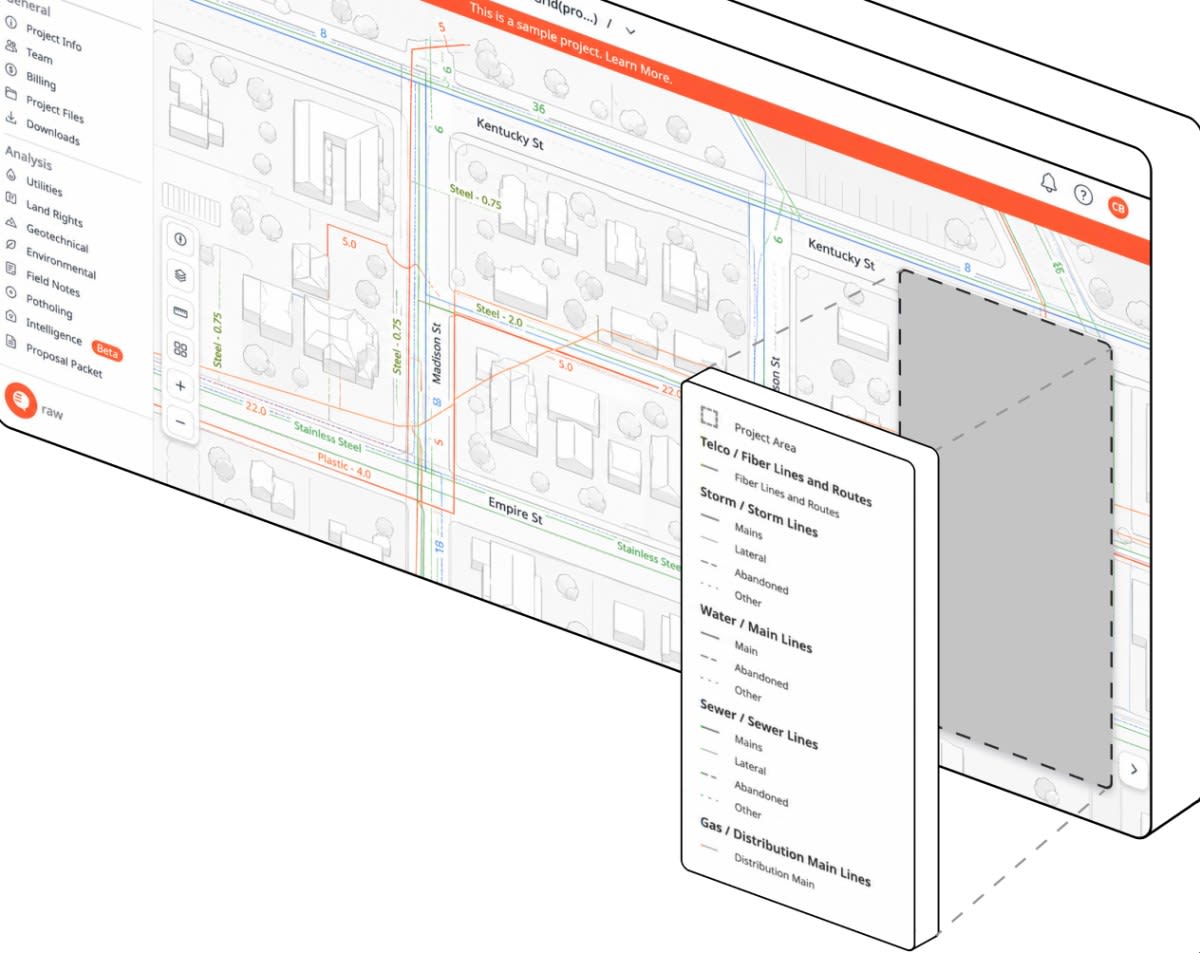
In 2020, Mackanic left his decade-long career at PG&E to solve the problem himself. He founded CivilGrid, a startup that gathers scattered data about underground utilities, property ownership, and environmental regulations into one accessible platform.
Think of it as Google Maps for everything buried beneath our streets. The company sells access to governments, engineering firms, and utilities, including Mackanic's former employer.
The impact is already measurable. A PG&E case study found CivilGrid helped identify $60 million in avoidable paving costs across 1,600 planned gas projects by helping engineers spot conflicts before breaking ground.
Now CivilGrid has raised $26 million in Series A funding led by Spark Capital. The investment will help expand the platform and tackle more red tape slowing down infrastructure projects across America.
The Ripple Effect
Mackanic's vision extends beyond mapping pipes. Once CivilGrid shows engineers where they can safely build, the platform could recommend optimal placement, identify required permits, and even file paperwork automatically.
Better planning means fewer construction delays, lower costs, and safer worksites. It also means utility companies can work more efficiently without raising rates on customers.
The problem wasn't new, but nobody had cracked the code on collecting, organizing, and securing the data while building trust with the companies willing to pay for it. Mackanic realized the solution needed to come from outside the utility industry rather than within.
As a kid, Mackanic dreamed of sending rockets to space. He never imagined dedicating his career to what's buried beneath our feet. Working at PG&E changed his perspective on just how critical and complex utility work really is.
"We do ourselves a disservice in not championing the extent to which they work wonders every day," he said.
Every time we flip a light switch or start our coffee maker without a second thought, invisible infrastructure makes it possible.
More Images


Based on reporting by TechCrunch
This story was written by BrightWire based on verified news reports.
Spread the positivity!
Share this good news with someone who needs it