Kansas Brings Black-Footed Ferrets Back from Extinction
Once declared extinct in 1979, black-footed ferrets are thriving again in Kansas thanks to dedicated conservationists working through the night. The latest survey found young ferrets being born in the wild, proving this critically endangered species has a fighting chance.
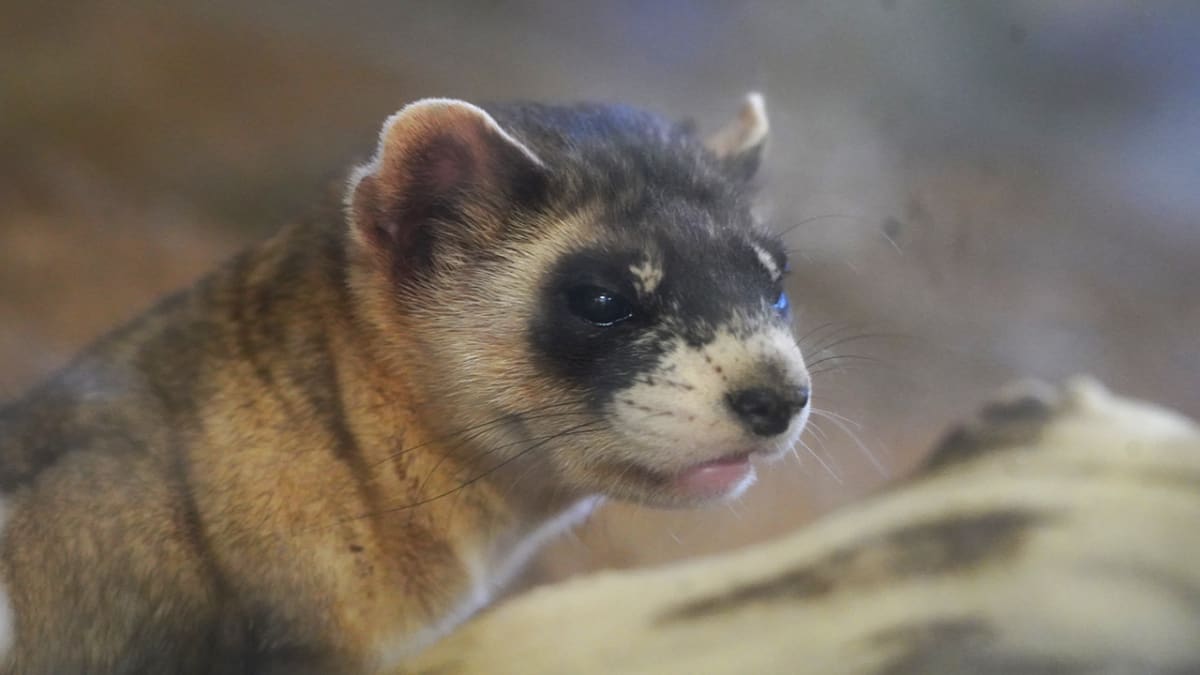
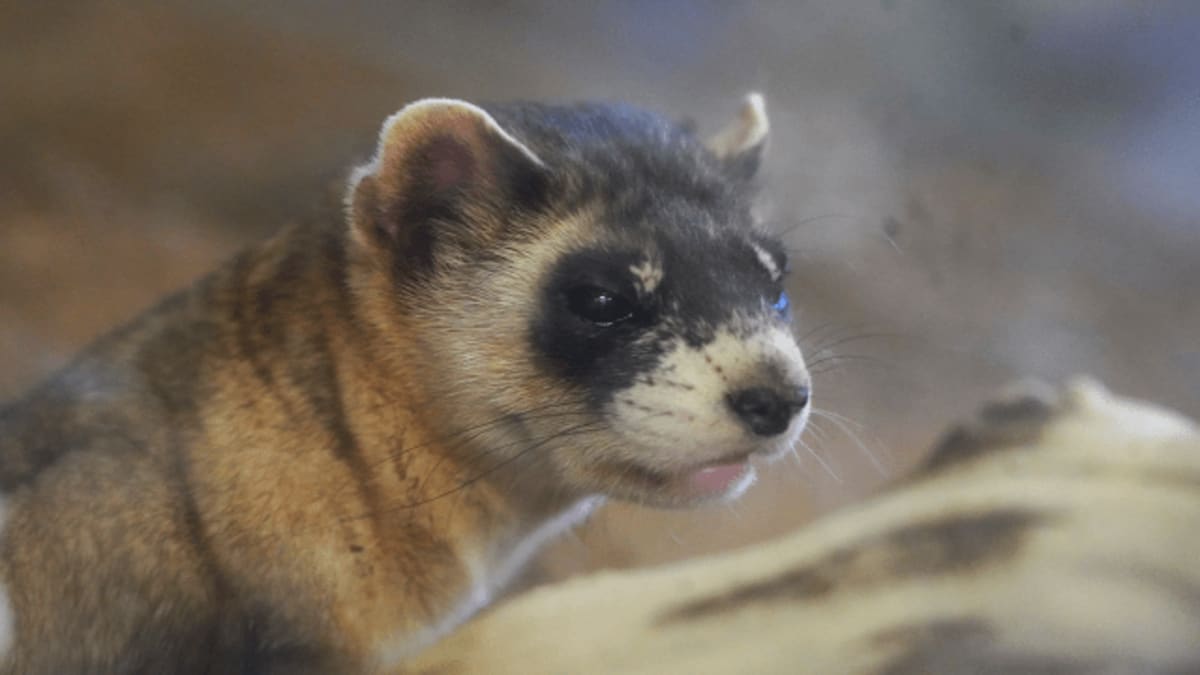
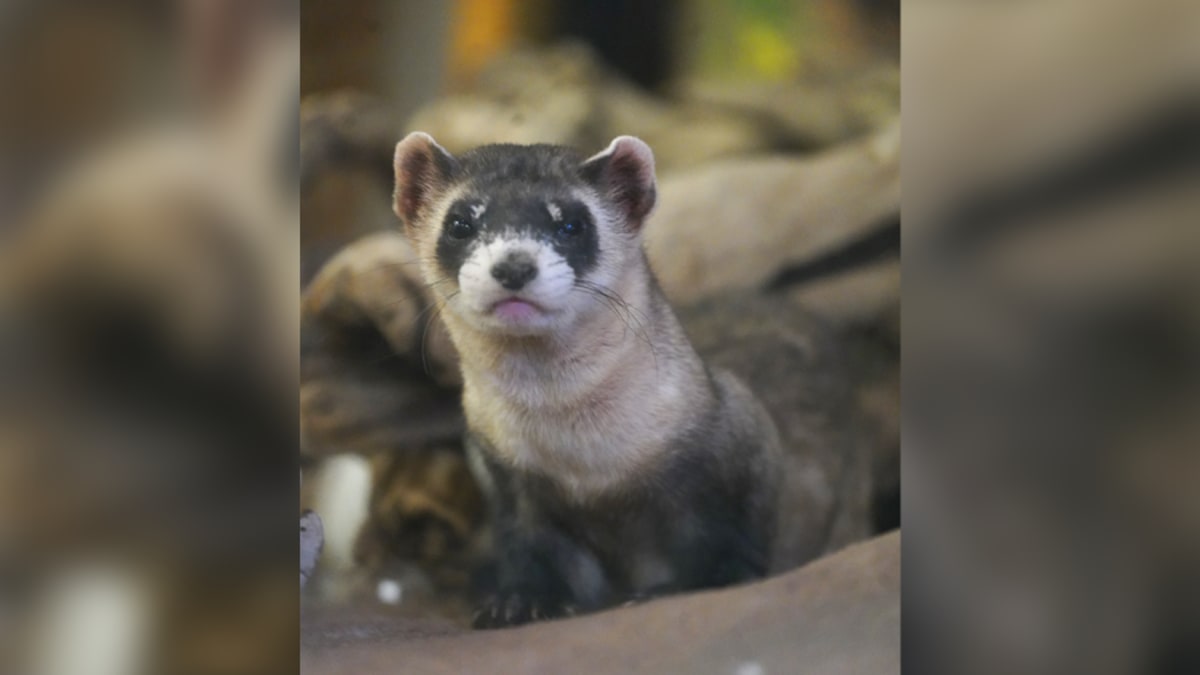
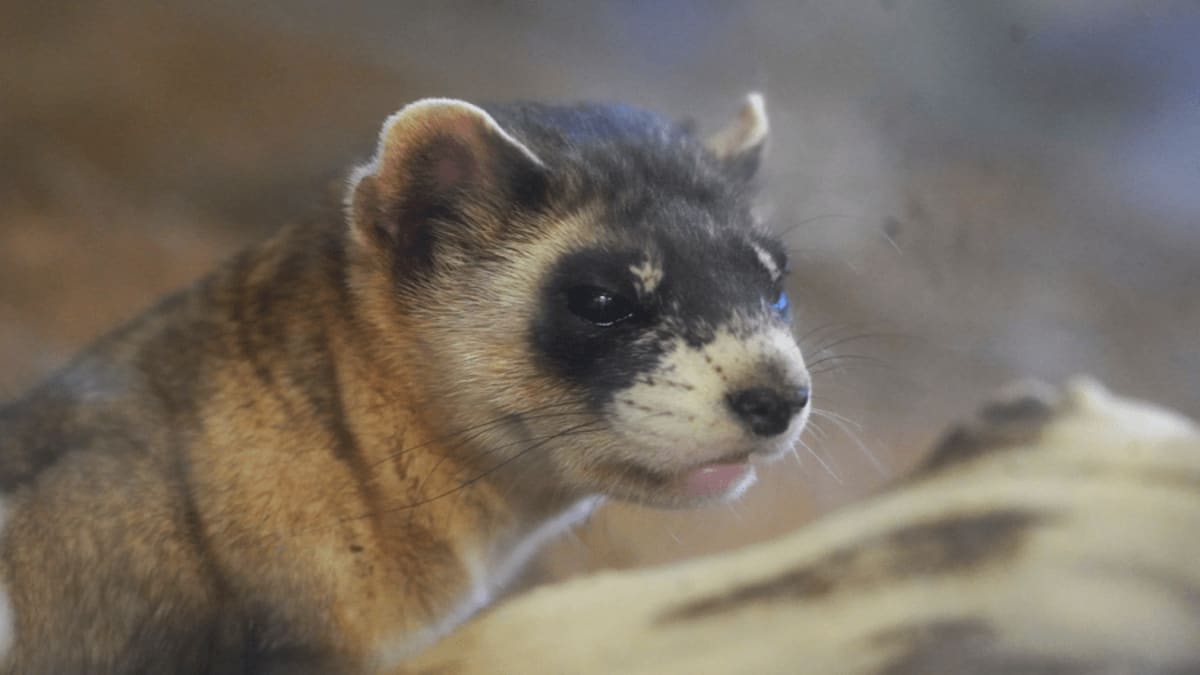
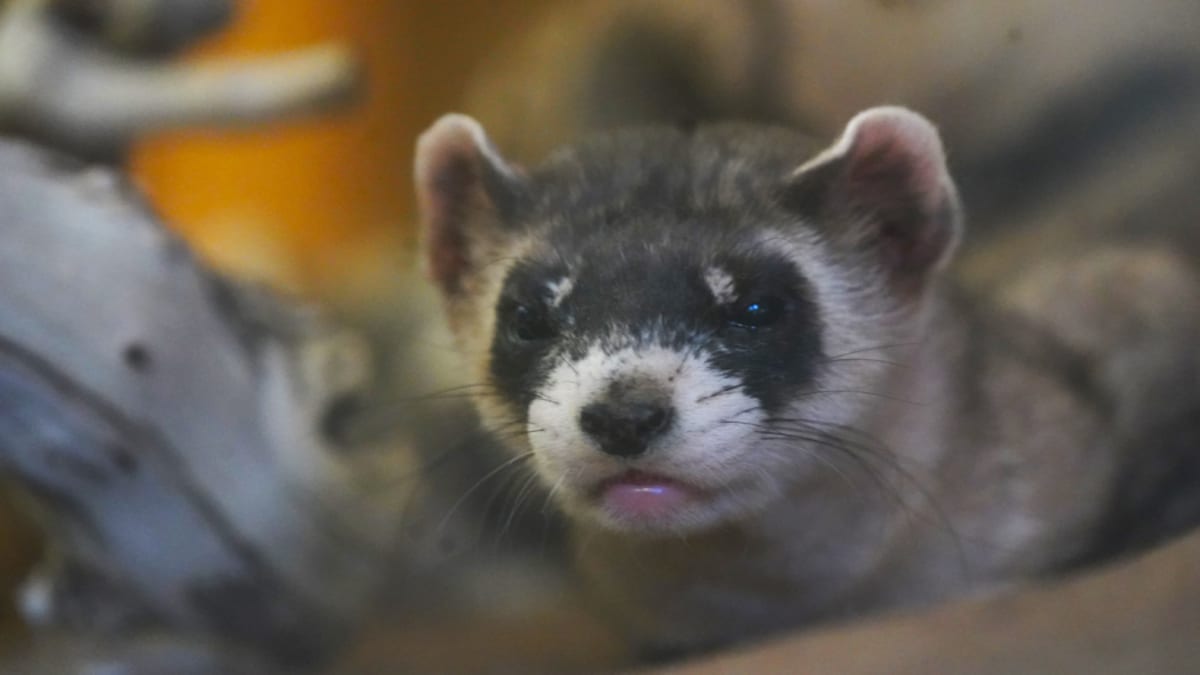
A tiny masked face peering from a prairie den represents one of conservation's most dramatic comebacks. Black-footed ferrets, once believed extinct, are now raising families in the wild grasslands of western Kansas.
The numbers tell an astonishing story. This species plummeted from up to a million individuals in the late 1800s to complete extinction by 1979 when the last captive ferret died. Then came a miracle: conservationists discovered a small colony near Meeteetse, Wyoming, in 1981.
But the comeback almost ended before it started. Plague swept through the Wyoming colony, leaving just 18 survivors. The U.S. Fish and Wildlife Service rushed those final ferrets into an emergency breeding program, betting everything on saving the species from total collapse.
Dennis Dinwiddie, conservation director at Topeka Zoo and Conservation Center, has spent nearly two decades helping restore Kansas's ferret population. His team started reintroduction efforts in Logan County in 2007 and hasn't stopped since.
The work requires serious dedication. Each fall, surveyors drive across the prairie at walking speed from dusk to dawn, sweeping giant spotlights back and forth across the landscape. They're searching for that telltale green eyeshine that reveals a ferret's location.
When they spot one, the real detective work begins. The ferret disappears into one of thousands of prairie dog burrows dotting the area. Surveyors set a trap at the right hole and wait, hoping the curious ferret will investigate.
"It's a great feeling because you know that what you're doing with this ferret is that you're adding to the baseline scientific information that will help protect this species for generations to come," Dinwiddie said.
The 2025 survey brought exactly the kind of news conservationists dream about. Surveyors captured 11 ferrets across the 10,000-acre release site, and eight were born in the wild. They found very young kits, proving reproduction is happening successfully.
One ferret was four and a half years old, nearly reaching the species' typical six-year lifespan. These aren't just surviving animals barely clinging to existence. They're thriving, spreading out, and building sustainable populations.
The Ripple Effect
The ferret's recovery proves that dedicated conservation can reverse even the most dire situations. From 18 survivors to hundreds thriving in the wild today, this comeback offers a blueprint for saving other critically endangered species.
The partnership between Topeka Zoo, Kansas Department of Wildlife and Parks, and private landowners shows what's possible when communities commit to restoration. Prairie dog populations, once targeted for elimination, now provide the foundation for ferret recovery across western Kansas.
Today, around 400 black-footed ferrets live in breeding programs, with growing wild populations spreading across their former range. Every kit born in a Kansas prairie den writes another chapter in one of North America's most inspiring conservation success stories.
More Images
Based on reporting by Google: species saved endangered
This story was written by BrightWire based on verified news reports.
Spread the positivity!
Share this good news with someone who needs it