Kansas Counties Bank on Wind Energy to Revive Rural Towns
Rural Kansas counties are positioning themselves as renewable energy hubs to capture billions in economic growth as U.S. energy demands surge 25% by 2030. Wind and solar farms could rescue struggling rural economies, but local skepticism is putting promising projects on hold.
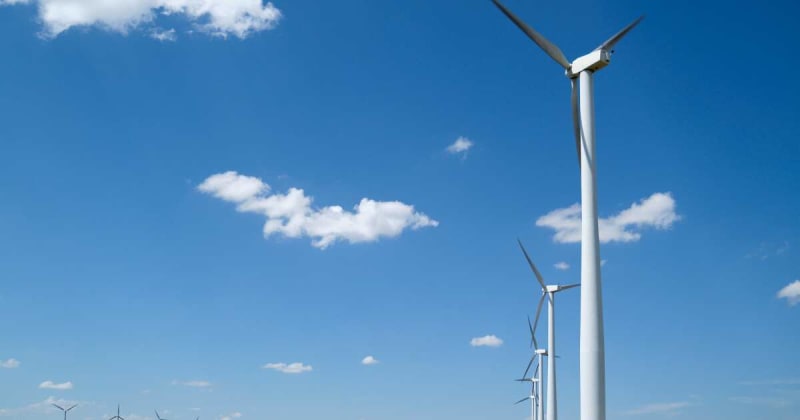
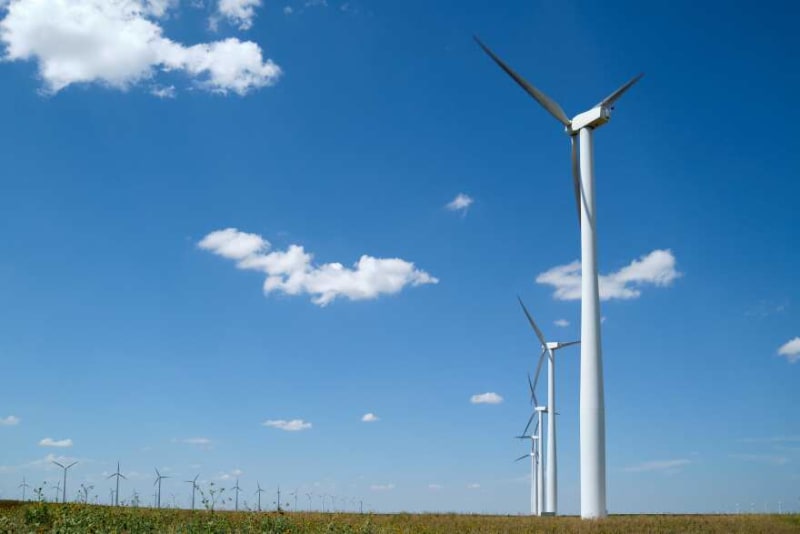
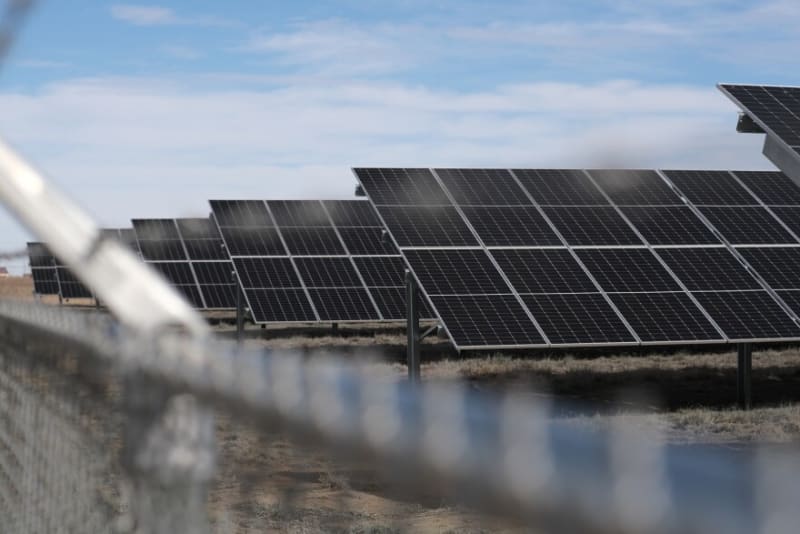
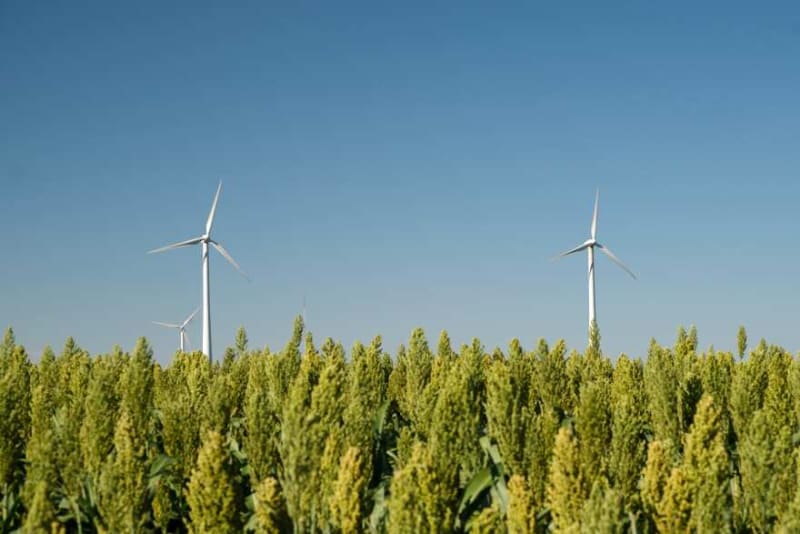
Western Kansas has something most of America desperately needs right now: endless wind, abundant sunshine, and wide open spaces perfect for producing clean energy. As artificial intelligence and data centers push U.S. energy demands up 25% by the end of the decade, rural counties see a lifeline for their shrinking populations and struggling economies.
Finney County has more sunny days than San Diego, and the wind never stops blowing across the Plains. Lona DuVall, director of the county's Economic Development Corporation, believes energy production could transform the region's economic future after decades of relying solely on agriculture.
The numbers tell a compelling story. Wind farms bring hundreds of temporary construction jobs and up to 15 permanent positions per project. Farmers earn thousands in extra income by leasing their land to energy companies. Counties receive millions through negotiated payments that fix roads, improve schools, and fund community projects.
Just south in Seward County, Economic Development Director Eli Svaty sees billions of dollars in potential. "Here's a chance to balance out markets that are historically up and down and give us some consistent income," he said. The region's existing infrastructure is already maxed out, making renewable energy expansion a natural next step.
But local resistance has stalled progress. Seward County residents raised concerns about noise, property values, and whether energy companies will truly benefit communities. Counties across Kansas, including McPherson, Harvey, and Marion, have instituted temporary bans on new wind projects.
Neal Coffey, a retired energy industry professional in Seward County, worries about turbines placed too close to homes. He points out that wind projects receive 10 year tax breaks, meaning counties wait years before seeing direct tax revenue. To address this concern, energy companies often negotiate upfront payments to fund immediate community needs.
The Ripple Effect
The timing couldn't be more critical for rural Kansas. These counties face steady population declines and few options for economic growth. Wind and solar projects offer exactly what these communities need: stable income, job creation, and a way to capitalize on natural resources without depleting them.
The backlash against renewables makes economic development harder, Svaty explained. His county risks looking unfriendly to business at precisely the moment when massive investment dollars are flowing into rural America. Meanwhile, neighboring counties with wind farms are already collecting payments and creating jobs.
Rural Kansas stands at a crossroads, with economic revival within reach if communities can navigate local concerns and seize the renewable energy opportunity before it passes them by.
More Images
Based on reporting by Google News - Wind Energy
This story was written by BrightWire based on verified news reports.
Spread the positivity!
Share this good news with someone who needs it