Karnataka Bans Junk Food Near Schools to Fight Obesity
Karnataka just became the latest Indian state to protect kids from unhealthy eating by banning junk food sales within 50 meters of schools. The move addresses rising childhood obesity and aims to build lifelong healthy habits where kids spend most of their time.
Schools in Karnataka will soon become junk food free zones, not just inside their gates but all around them too.
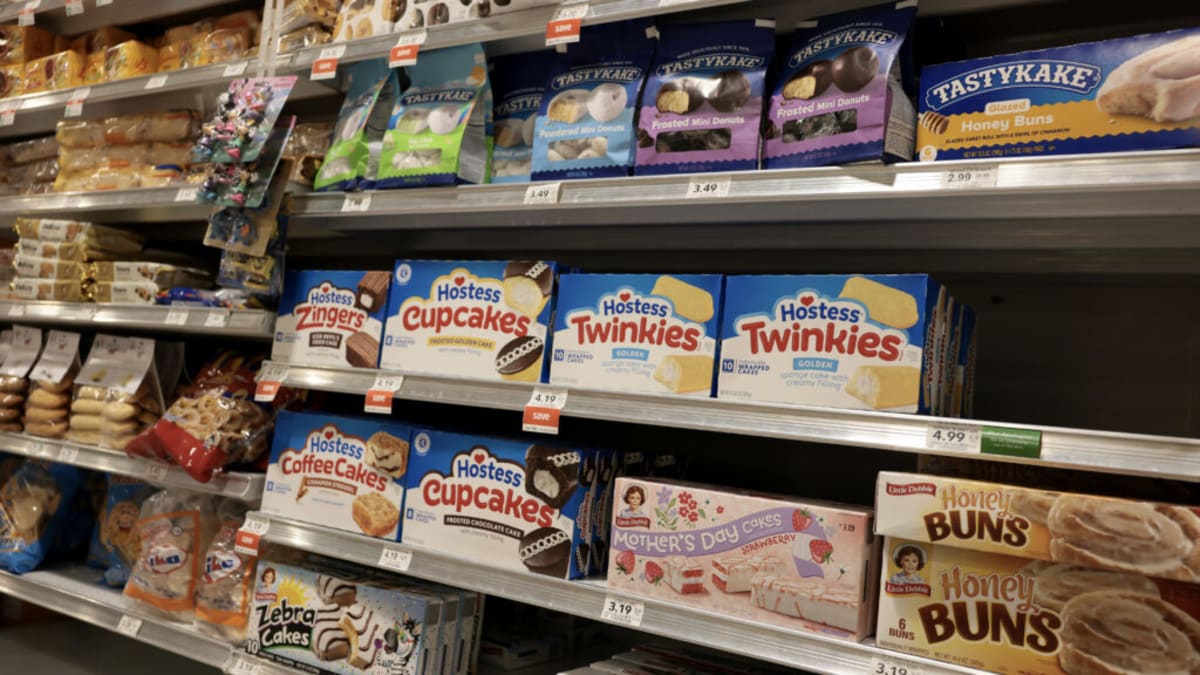
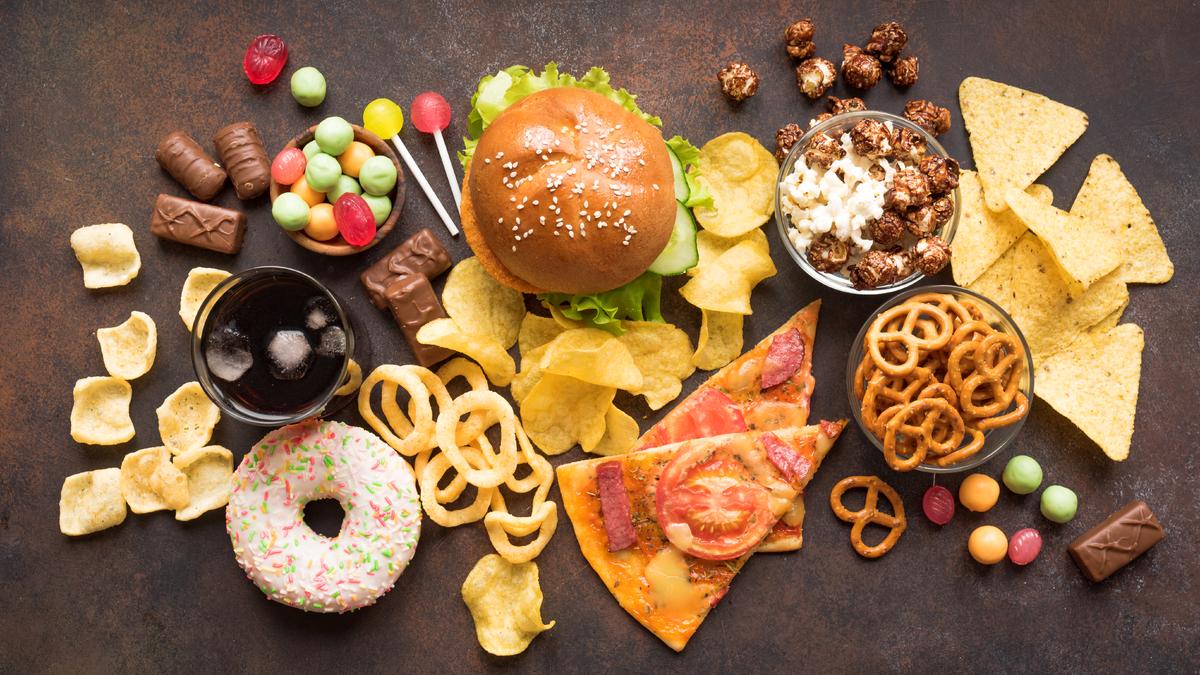
The state's Food Safety and Drug Administration issued a new advisory banning the sale of foods high in fat, sugar and salt within 50 meters of any school or college. That means no more chips, sugary drinks, candy, instant noodles or deep-fried snacks from the vendors who typically set up shop right outside school gates.
The timing couldn't be more critical. Inspections at schools across Karnataka found processed snacks and sugary beverages everywhere, and doctors are sounding the alarm about what they're seeing in their clinics.
Dr. Rebecca Kuriyan Raj, who heads nutrition research at St. John's Research Institute, called the move a much-needed public health win. Kids spend most of their waking hours at school, she explains, which makes it the perfect place to shape the eating habits they'll carry into adulthood.
The science backs up the concern. India now faces what experts call a "double burden of malnutrition" where children can look thin or normal weight but still carry dangerous amounts of body fat and metabolic problems. These hidden health issues set kids up for Type 2 diabetes, high blood pressure and fatty liver disease later in life.
Dr. Karthik Nagesh from Aster CMI Hospital points out that regular junk food doesn't just add extra calories. It crowds out the good stuff like fruits, vegetables and whole grains that growing bodies actually need. Over time, kids lose their taste for nutritious foods and prefer processed options instead.
The Ripple Effect
Karnataka isn't starting from scratch. The state is building on national regulations from 2020 that already encouraged healthier school food environments. What makes this advisory special is how far it reaches beyond campus boundaries.
By creating a 50-meter buffer zone, the government acknowledges a simple truth: rules inside school walls don't matter much if kids can buy junk food from a cart parked right at the gate. Now those vendors will need to move or change what they're selling.
Schools are being encouraged to offer traditional Indian snacks like idli, upma, avalakki, sprouts and boiled groundnuts instead. Fresh fruits, vegetables, whole grains, millets and pulses are getting promoted as the foundation of school meals and snacks.
The message to parents and students is clear: nutrition matters, and the government is willing to take real action to protect it. Creating healthier food environments now means raising a generation less likely to struggle with obesity, diabetes and heart disease down the road.
One small policy change today could mean millions of healthier adults tomorrow.
Based on reporting by The Hindu
This story was written by BrightWire based on verified news reports.
Spread the positivity!
Share this good news with someone who needs it