Kashmir's Hangul Deer Nearly Double in a Decade
The endangered Kashmiri stag population has soared from 183 to 323 in just ten years, proving that dedicated conservation can bring species back from the brink. Local communities and wildlife are now thriving together around Dachigam National Park.
A rare deer species once facing extinction is making an extraordinary comeback in the forests of Kashmir, showing what's possible when communities rally to protect their natural heritage.
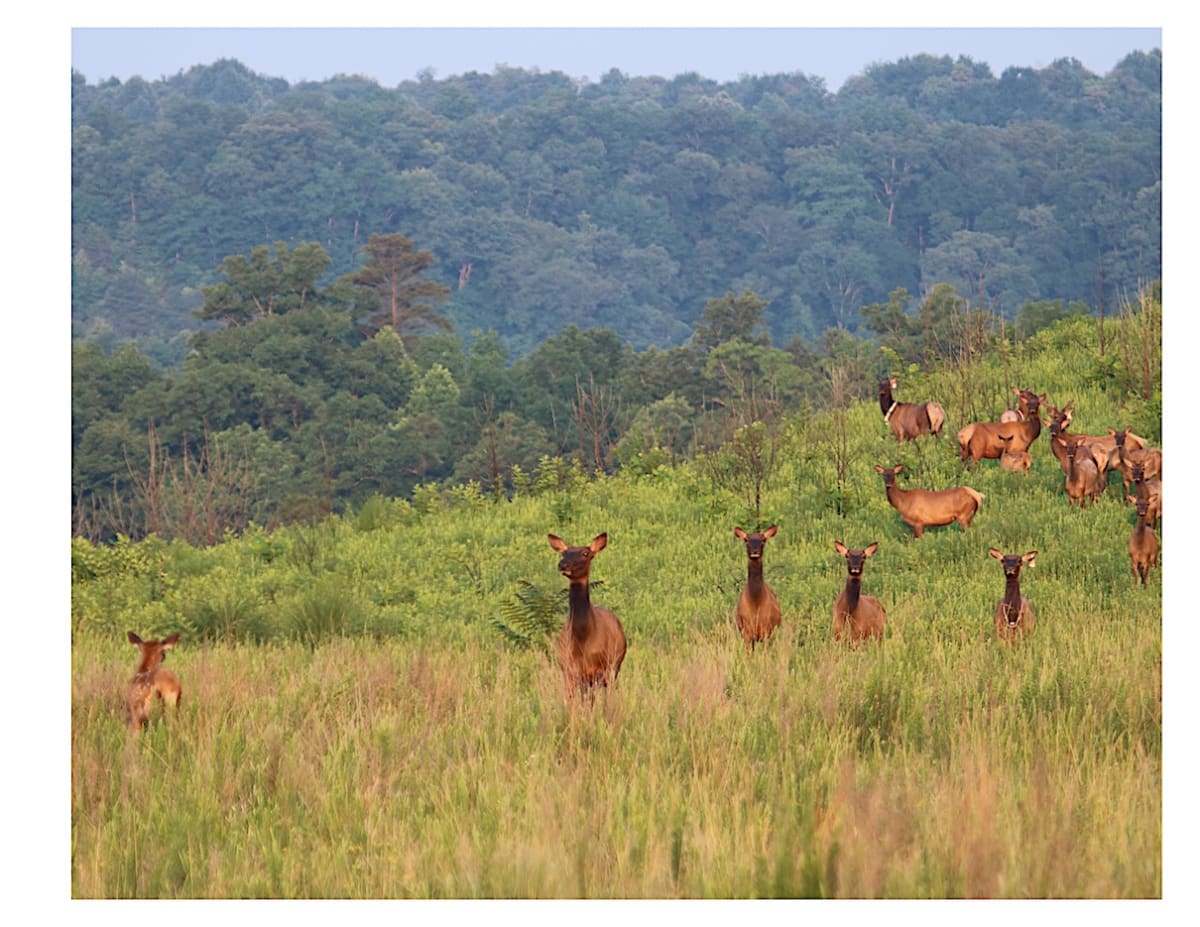
The Hangul, a majestic stag found only in Kashmir, has seen its population jump 76% over the past decade. Numbers climbed from a precarious 183 animals in 2015 to 323 in 2025, according to Jammu and Kashmir's Forest, Ecology, and Environment Minister Javed Ahmad Rana.
The recovery didn't happen by accident. Conservation teams worked around Dachigam National Park to create safe corridors for the deer while addressing concerns from nearby villages. When human-wild boar conflicts threatened to derail progress, officials stepped in with practical solutions.
Teams constructed protective barriers to keep boars from damaging crops, preventing the kind of community frustration that often undermines wildlife protection. Regular anti-plastic drives cleaned up the park's surroundings, removing deadly hazards that could poison grazing animals. Real-time monitoring systems now track both wildlife movements and potential conflicts before they escalate.
The approach has paid off remarkably. Not a single injury from wildlife conflicts has been reported in the area, proving that people and animals can share space when the right systems exist.
The Ripple Effect
This success story reaches far beyond one beautiful deer species. The Hangul's recovery signals healthier forests across the region, since these animals need pristine habitat to survive. Their increased numbers mean predators have more prey, water sources stay cleaner, and vegetation stays balanced through natural grazing.
Local communities are also benefiting from the thriving ecosystem. Tourism around Dachigam has grown as word spreads about the recovering deer population, bringing income to villages that once saw wildlife as competition. Young people in the area now have career paths as wildlife guides and conservation workers.
The monitoring systems installed for the Hangul now protect other species too. Kashmir's forests host leopards, bears, and countless bird species that all benefit from the same anti-poaching patrols and habitat restoration efforts.
International conservation groups have taken notice, citing Kashmir's approach as a model for other regions struggling with human-wildlife conflict. The combination of community involvement, government support, and practical problem-solving offers a blueprint that other endangered species programs are already adapting.
Kashmir's forests are proving that extinction doesn't have to be forever when people decide to write a different ending.
Based on reporting by Google News - Conservation Success
This story was written by BrightWire based on verified news reports.
Spread the positivity!
Share this good news with someone who needs it