Vietnam's 'White-Pants Monkey' Climbs Back from 234 Left
The Delacour's langur, one of the world's most endangered primates, is finally getting the protection it needs after teetering on the edge of extinction. With just 234 to 275 individuals remaining in Vietnam's limestone cliffs, conservationists are now studying and safeguarding these striking black-and-white monkeys before it's too late.
A monkey so rare that fewer than 300 exist is finally catching a break in the limestone mountains of north-central Vietnam.
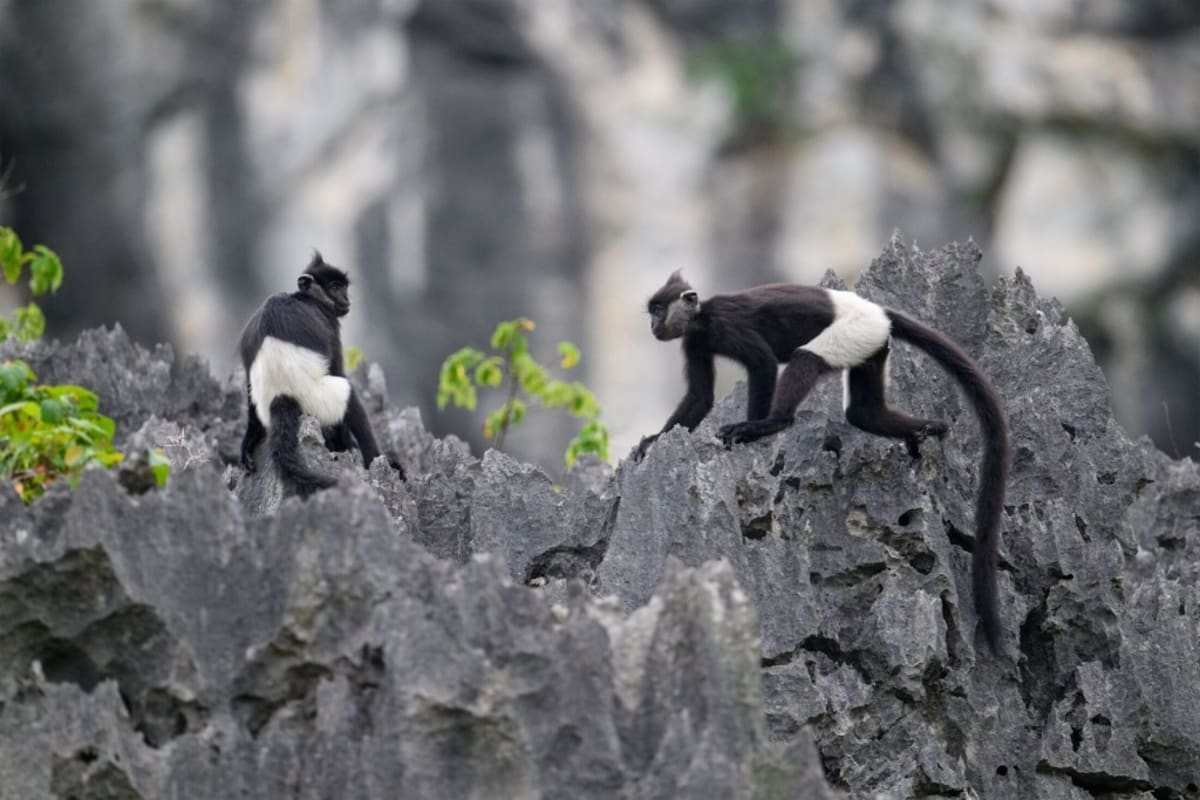
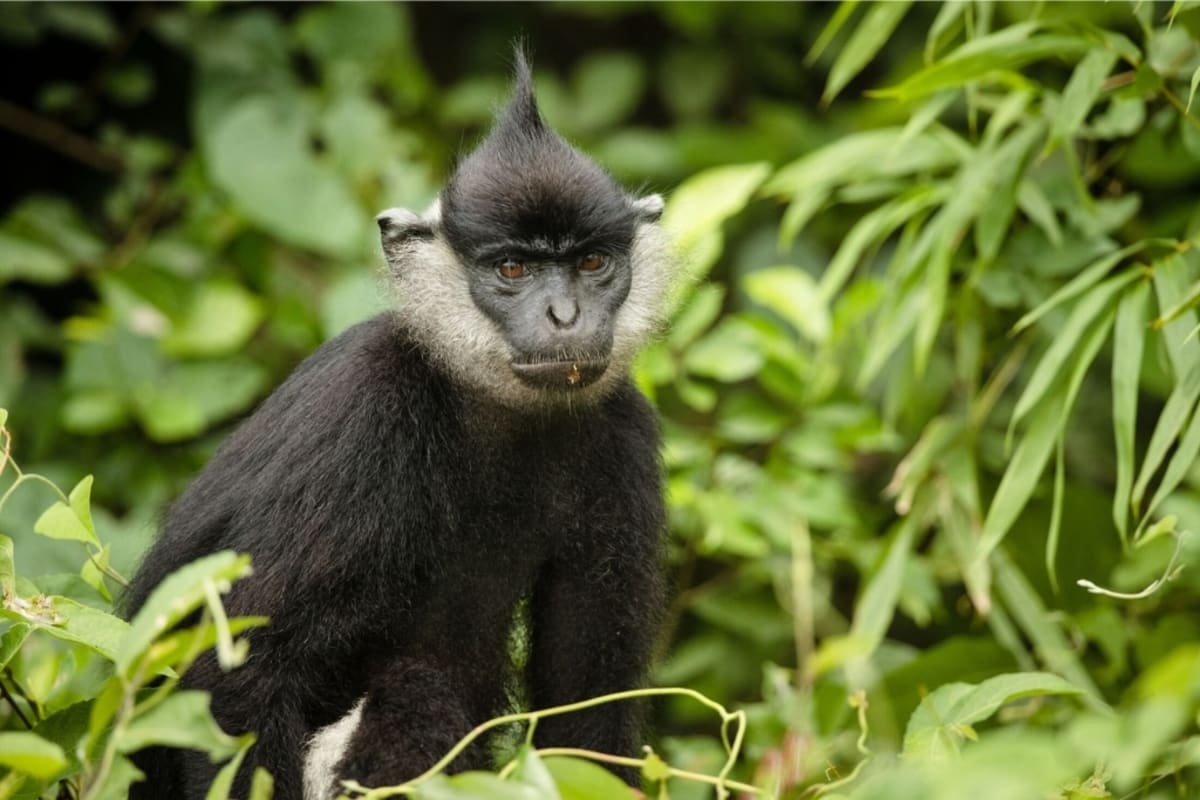
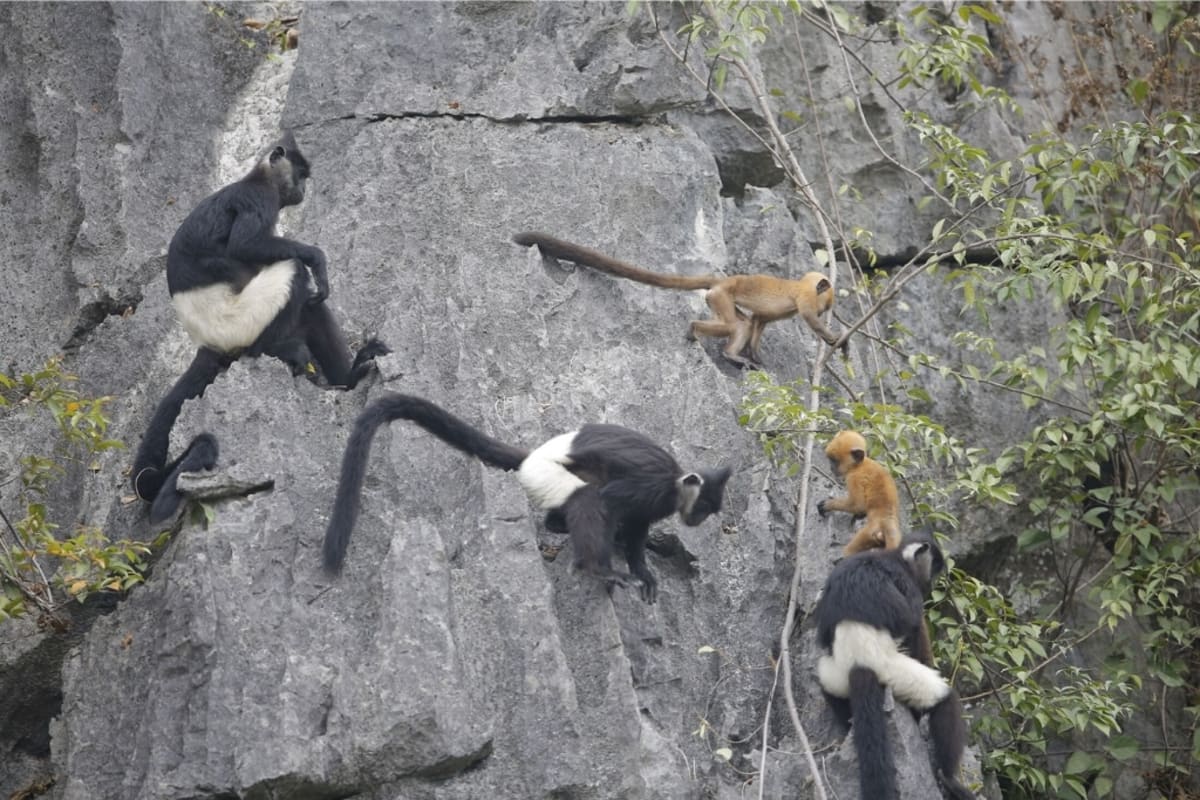
The Delacour's langur, nicknamed "white-pants monkey" by locals for its distinctive black body and white legs, has become the focus of intensive conservation efforts after scientists realized just how close this species came to disappearing forever. For years, these elusive primates lived in such remote, rugged terrain that researchers couldn't even study them properly.
That isolation is what kept them alive, but it also masked just how dire their situation had become. The entire global population now sits between 234 and 275 individuals, earning them the "Critically Endangered" label from international wildlife organizations.
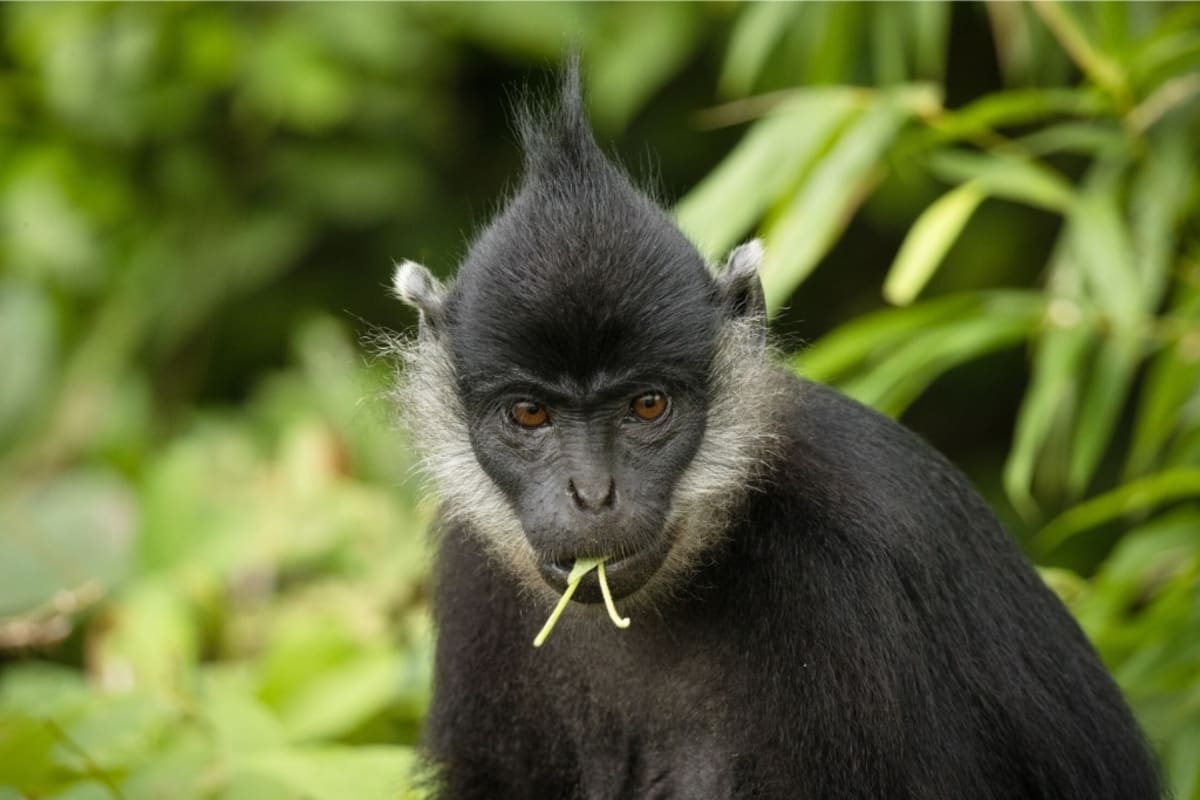
These aren't your average monkeys. Delacour's langurs have specialized pads on their hands and feet that let them grip and leap across jagged limestone cliffs, a natural defense against predators that would struggle to follow. They sport upright tufts of hair on their heads like permanent bed head, and baby langurs are born bright orange before turning black at four months old.
Living almost entirely on leaves, about 80% of their diet, these folivores have evolved multi-chambered stomachs with special microbes to break down the tough cellulose. It's an energy-intensive digestive process that leaves them needing long rest periods between meals, making them one of Asia's most leaf-dependent primates.
The good news? Vietnam has now established five protected areas where Delacour's langurs live, including Cuc Phuong National Park and Van Long Nature Reserve. Conservationists are actively monitoring populations, studying their behavior, and implementing protection measures across their 5,000-square-kilometer range.
The Bright Side
What once seemed like an impossible task, studying secretive monkeys in nearly unreachable habitats, has become achievable through dedicated conservation work. The fact that we now know exactly how many individuals exist and where they live represents a massive step forward. Protection zones are in place, researchers are gathering crucial behavioral data, and Vietnam has committed resources to saving this unique species.
Small, fragmented populations still exist across several Vietnamese provinces, but each protected group represents hope that these remarkable primates won't vanish from Earth's forests.
With eyes on them now, the white-pants monkeys have a fighting chance.
More Images

Based on reporting by Google: species saved endangered
This story was written by BrightWire based on verified news reports.
Spread the positivity!
Share this good news with someone who needs it