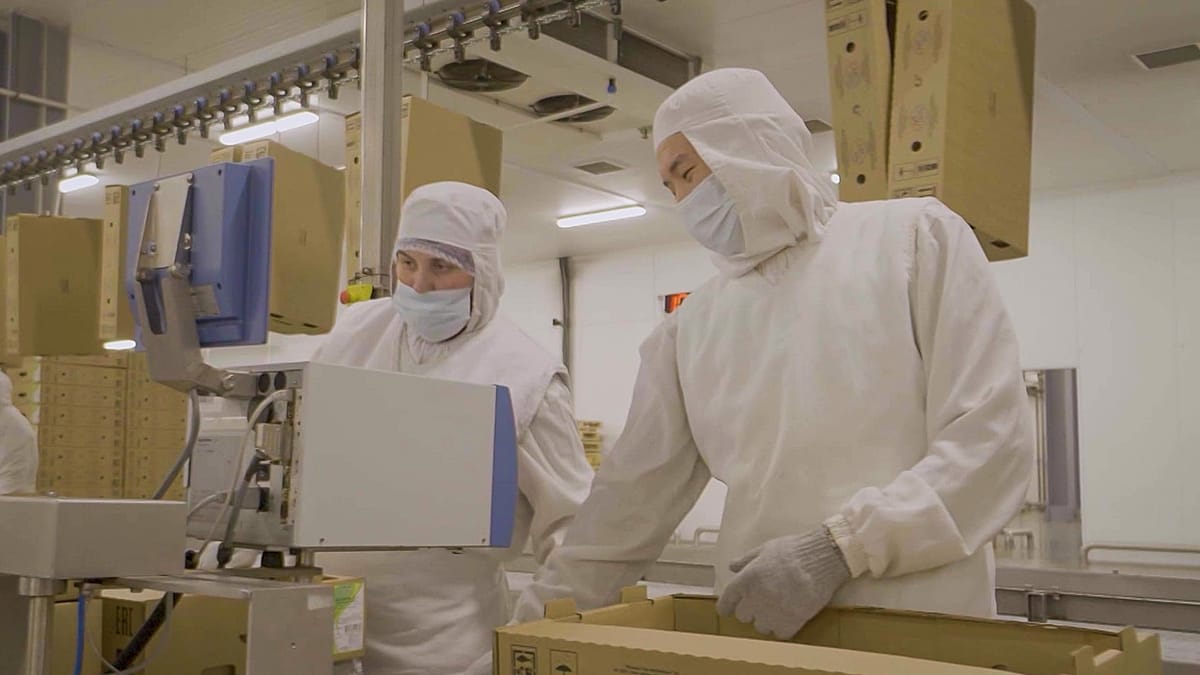
Kazakhstan Targets 70% Processed Food Exports by 2028
Kazakhstan is transforming from a raw materials exporter into a regional food processing powerhouse, aiming to make value-added products 70% of agricultural exports by 2028. The shift could double the nation's GDP while creating thousands of jobs in a country where 40% of people work in agriculture.
A major grain and oilseed exporter is betting its economic future on turning raw crops into finished food products instead of shipping them abroad unprocessed.
Kazakhstan, already among the EU's top three sunflower meal suppliers and second-largest durum wheat source, wants processed goods to dominate its agricultural trade within two years. The Central Asian nation has 200 million hectares of agricultural land and a clear goal: double its GDP to €380 billion by 2029 through smarter farming.
The numbers show momentum is building. Processed goods jumped from making up 60% of total agricultural output last year, while exports of finished food products surged 35% to exceed €2.5 billion. That's real progress for a country that historically sent wheat, sunflower seeds, and other raw materials across its borders with minimal processing.
But getting processed Kazakh food onto European supermarket shelves faces real hurdles. As a landlocked country, Kazakhstan battles long shipping routes and struggles to maintain the consistent supply chains that EU buyers demand. Meeting strict organic certifications and ESG standards adds another layer of complexity.
President Kassym-Jomart Tokayev is tackling these challenges head-on by calling for agricultural reforms. He's pushing for a new cooperative law by September that would help small farmers band together more effectively. Right now, 60% of meat and 80% of milk still comes from small household farms that lack the coordination to compete globally.
The government is backing its ambitions with serious financial support. The Development Bank of Kazakhstan offers loans up to 20 years specifically for building complete value chains, from farmland to export-ready products. New investment projects are being tracked with clear timelines across the sector.
The Ripple Effect
Nearly 4,000 cooperatives now operate across Kazakhstan, connecting small farmers to large export projects. When these succeed, the benefits flow directly to rural communities where agriculture employs four in ten workers.
The planned expansion is ambitious: six million tonnes of new deep grain processing capacity by 2028, focused on high-value products like amino acids, syrups, and vitamins instead of just flour. Vegetable oil production already jumped 17% last year to 890,000 tonnes, proving the model can work.
For European consumers, this shift could mean more diverse, competitively priced food options. For Kazakh farmers, it represents a path from subsistence farming to sustainable prosperity.
One nation is proving that exporting finished products instead of raw materials isn't just better economics—it's a strategy for lifting entire communities.
More Images


Based on reporting by Euronews
This story was written by BrightWire based on verified news reports.
Spread the positivity!
Share this good news with someone who needs it