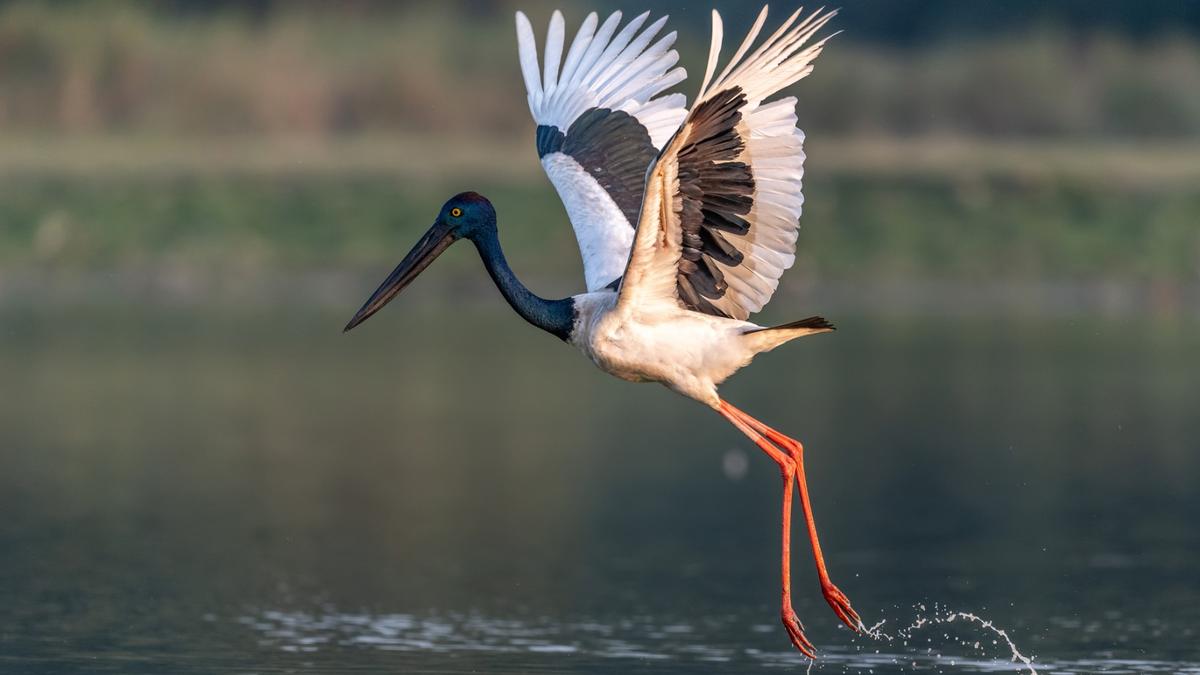
Kaziranga: 30 Bird of Prey Species Thrive in India
A rapid wildlife survey revealed that India's famous Kaziranga National Park now protects 30 species of raptors and six stork species, including some of the world's rarest birds. The discovery confirms the park as a critical sanctuary for endangered species like the Pallas's fish eagle.
One of India's most celebrated wildlife reserves just proved it's doing even more for conservation than anyone realized.
Kaziranga National Park in Assam recently completed a comprehensive bird survey that counted 217 individual raptors across 30 species and 266 storks across six species. The findings show the UNESCO World Heritage Site protects far more than its famous one-horned rhinos.
A team of 10 researchers from the park and Gauhati University spent a week in early spring surveying eagles, buzzards, falcons, owls, vultures, and storks across Kaziranga's three zones. They released their findings on World Environment Day to highlight the park's expanding role in protecting India's biodiversity.
The survey documented everything from the commonly spotted Asian openbill stork to extremely rare birds like the booted eagle and white-tailed eagle, with only one sighting each. Among vultures, researchers counted 69 Himalayan griffon vultures, while spotting just three greater adjutant storks, one of the region's rarest species.
The Ripple Effect
The real breakthrough came with data on the Pallas's fish eagle, an enigmatic bird that's become critically endangered worldwide. Kaziranga now hosts 10 active breeding nests for this species, more than any other protected area on Earth.
Scientists even tracked one male eagle named Ider who migrates 2,500 miles from Mongolia to Kaziranga every year specifically to breed. He returns to the same region annually, demonstrating that the park provides irreplaceable habitat these rare birds can't find anywhere else.
India's diverse wetlands and proximity to the Himalayan foothills create perfect conditions for birds of prey. Of the 112 raptor species found across India, about 50 make their home in the Kaziranga region. The park has also recorded six of the eight stork species found in the country.
The survey documented other critically important species thriving in the park, including slender-billed vultures, red-headed vultures, steppe eagles, grey-headed fish eagles, brown fish owls, lesser adjutant storks, black-necked storks, and black storks. Each sighting confirms that conservation efforts are working.
Kaziranga proves that protecting one landscape can save dozens of species at once.
Based on reporting by The Hindu
This story was written by BrightWire based on verified news reports.
Spread the positivity!
Share this good news with someone who needs it