Kent Plant Rebounds from Near-Extinction with 1,245 Blooms
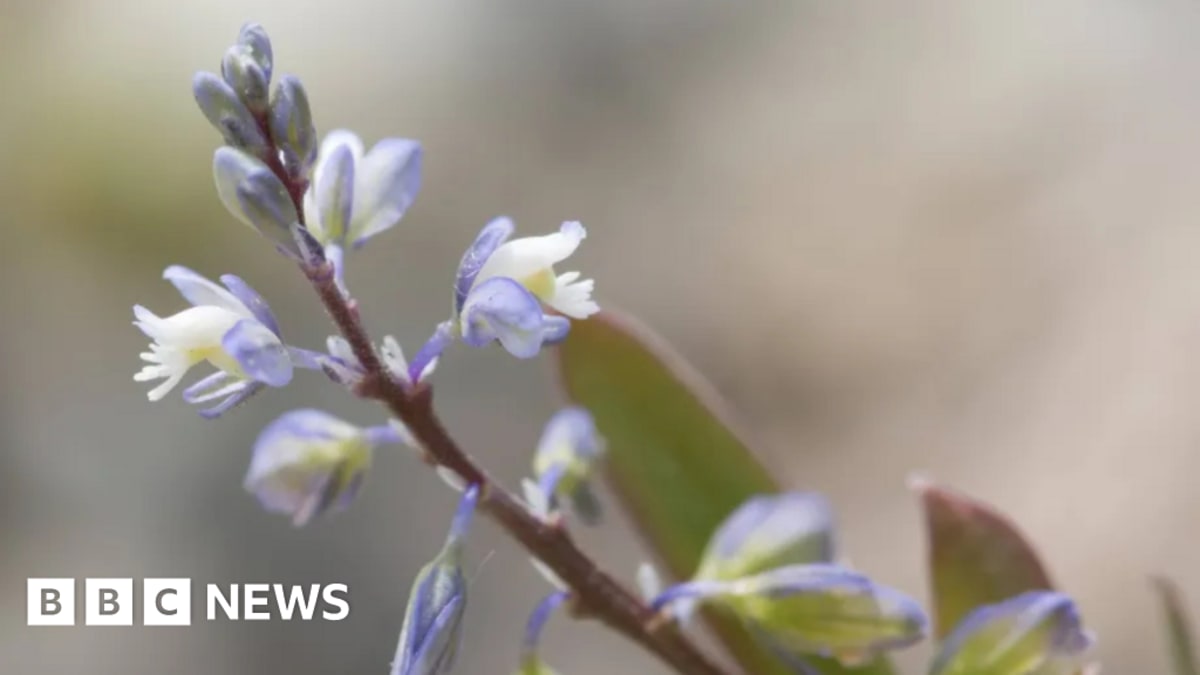
A flower once down to just a handful of plants in all of England has bounced back to over 1,200 at a single conservation site. The Kentish milkwort's remarkable recovery shows what's possible when conservationists, scientists, and volunteers work together.
A rare wildflower that nearly vanished from Britain forever is making an incredible comeback, with conservationists celebrating a seven-fold population explosion at a single nature reserve in Kent.
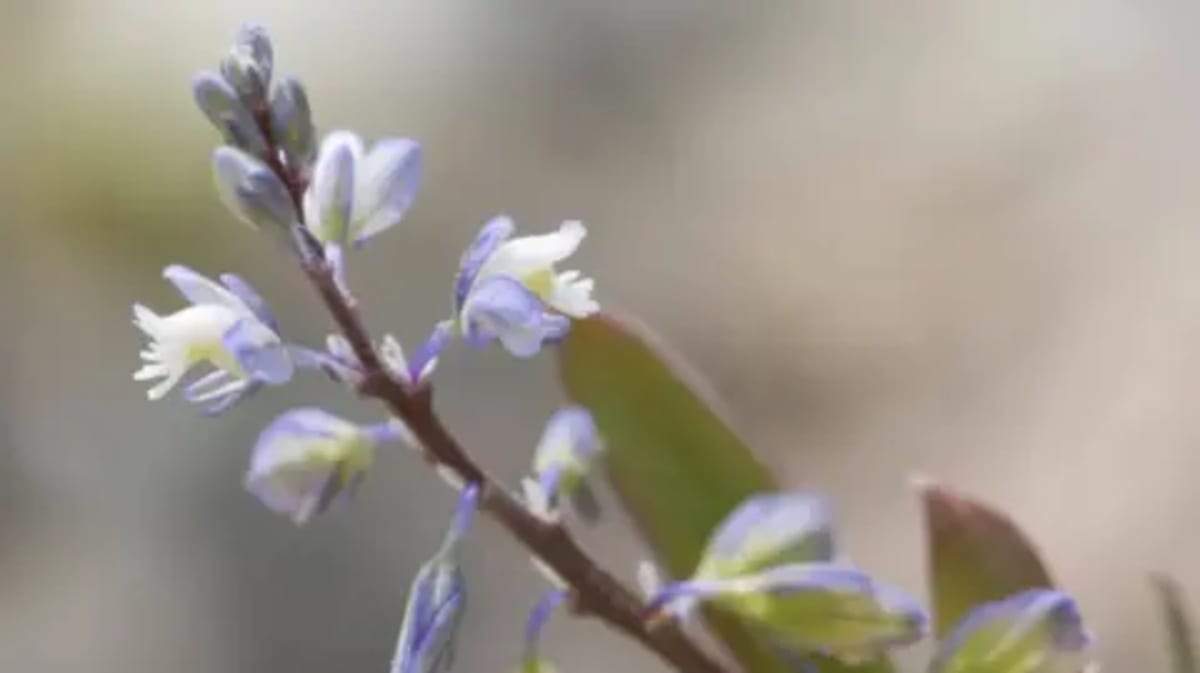
The Kentish milkwort, which teetered on the brink of extinction in 2013, now boasts 1,245 self-sown plants at Queendown Warren near Sittingbourne. That's the largest population of the species anywhere in the UK.
The transformation came from dedicated teamwork between Kent Wildlife Trust, The Species Recovery Trust, Royal Botanic Gardens at Kew, and local volunteers. Just over a decade ago, the delicate wildflower had dwindled to barely a handful of plants scattered across just three sites in Kent.
Scientists acted fast to prevent total loss. They collected seeds from the strongest surviving plants and carefully cultivated them at Kew's renowned botanical gardens, creating a safety net without putting additional pressure on the fragile wild population.
Between 2018 and 2019, these cultivated seeds produced healthy plants ready for reintroduction to their natural habitat. The results exceeded all expectations.
Area warden Rob Pennington now sees even bigger possibilities ahead. "We hope the population will continue to spread in the coming years and eventually become a donor site," he said, meaning Queendown Warren could supply seeds to restore the species at other suitable locations across the region.
The Ripple Effect
The success at Queendown Warren is creating opportunities that extend far beyond one nature reserve. As the milkwort population strengthens, conservationists can now think about expansion rather than just survival.
The team plans to maintain the open chalk grassland conditions the species needs by using innovative techniques, including pigs that naturally create the disturbed ground where milkwort thrives. They're also identifying other chalk grassland sites across Kent where the flower could flourish again.
This recovery proves that even species on the very edge of extinction can bounce back with the right intervention. The Kentish milkwort joins a growing list of British wildlife being pulled back from the brink through science-backed conservation work.
What started as an emergency rescue mission has transformed into an expansion project that could see this rare wildflower blooming across the Kent countryside for generations to come.
More Images

Based on reporting by BBC Science
This story was written by BrightWire based on verified news reports.
Spread the positivity!
Share this good news with someone who needs it