Kentucky Farmer Brings Back Burgers for Tick Allergy Patients
A Kentucky man who developed a life-threatening red meat allergy from tick bites found his solution in ostrich farming. Now his farm helps hundreds of people enjoy burgers again after years without their favorite foods.
Imagine not being able to eat a burger for seven years because a tick bite made red meat life-threatening. That's exactly what happened to Brent Williams, and his creative solution is helping thousands of others with the same problem.
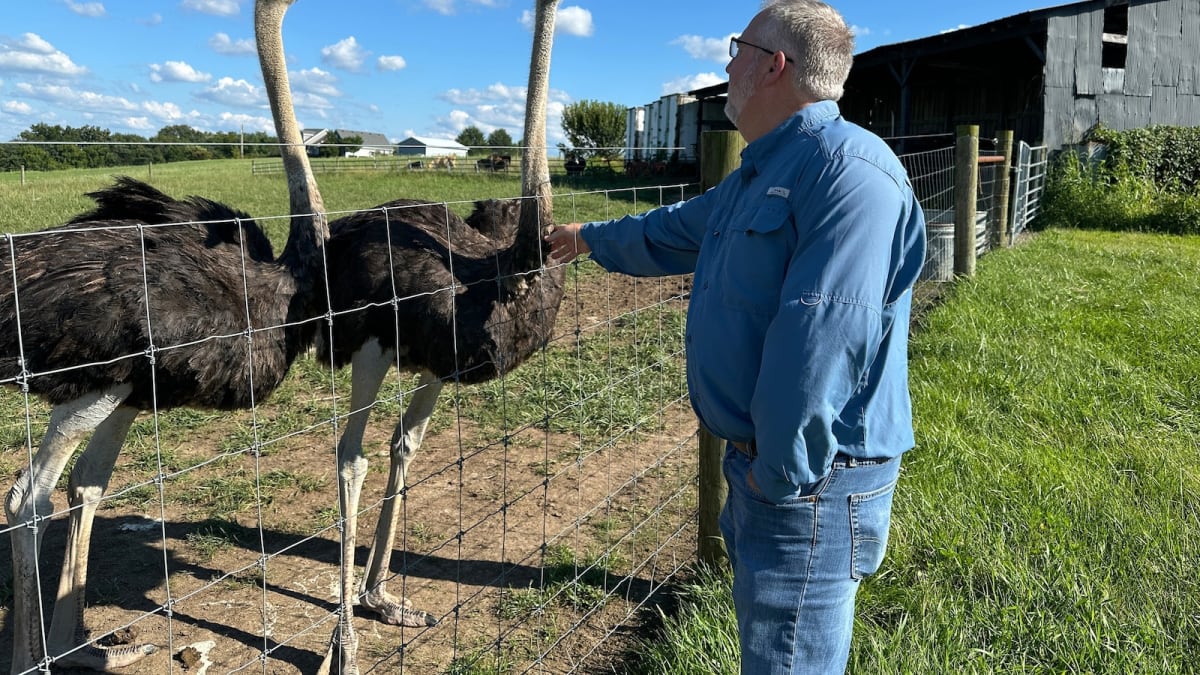
Williams developed alpha-gal syndrome in 2017 after a tick bite triggered his immune system to attack a sugar molecule found in mammal meat. After years of missing his favorite foods, he partnered with friend W.D. King to launch Alpha Roost Farms in Danville, Kentucky, raising ostriches whose meat doesn't trigger the allergy.
The timing couldn't be better. Alpha-gal syndrome cases are rising across the United States, with experts estimating up to 500,000 people affected. The allergy causes hives, diarrhea, and severe reactions after eating beef, pork, or lamb, but ostrich meat is completely safe.
"The people that have alpha-gal that I talked to that have tried an ostrich burger, most of them are almost in tears," Williams said. "They say, 'You just don't know how bad I missed this.'"
Ostrich meat looks and tastes remarkably similar to beef. It's red in color, high in iron, and works perfectly as a burger substitute. The main difference? Price. Ground ostrich costs over $20 per pound, and premium cuts can exceed $40, but customers say it's worth every penny.
Alpha Roost Farms started with just over 400 birds and plans to grow to 700 by next year. They're not alone in this boom. Boyd Clark, who runs Clark Ostrich Farm in Texas, expects to increase his 1,200-bird herd by 50% next year to meet growing demand.
"We get calls weekly from various restaurants or even small stores in different parts of the country that you wouldn't think would even want to carry ostrich, but they're looking for it because they've got customers wanting it," Clark said.
The Ripple Effect
The ostrich farming revival is creating unexpected benefits beyond helping allergy sufferers. These farms are bringing sustainable agriculture jobs to rural areas and teaching valuable lessons from the industry's 1990s crash, when farms treated ostriches like oversized chickens instead of respecting their need for free-range space.
Today's farmers understand the birds better. Michael Lehman of the American Ostrich Association estimates only 10 to 15 large-scale farms operate nationwide, but they're doing it right this time with proper animal care and realistic production goals.
Leah Gibbs, who sells Alpha Roost products at Dry Branch Farm market, sees the impact firsthand. "We have people that drive here from all over the state to get the ostrich," she said. "They are elated to have something that's an alternative to beef."
For Williams, watching customers enjoy their first burger in years makes everything worthwhile, reminding him that sometimes the best solutions come from thinking outside the barnyard.
More Images



Based on reporting by Google News - Business
This story was written by BrightWire based on verified news reports.
Spread the positivity!
Share this good news with someone who needs it