Kenya Ends Transport Strike After President Hears Concerns
Thousands of Kenyan commuters can breathe easier after transport operators called off their nationwide strike following productive talks with President Ruto. The government promised fuel price cuts, insurance reforms, and loan relief for drivers.
Kenyan matatu drivers and transport operators ended their disruptive nationwide strike on Friday after President William Ruto agreed to address their long-standing concerns. The breakthrough came during high-level talks at State House Mombasa, where leaders from the Federation of Public Transport Sector met directly with the President.
The strike had forced thousands of commuters to walk long distances after buses and matatus disappeared from the roads. For two days, cities like Nairobi and Mombasa ground to a halt as public transportation vanished.
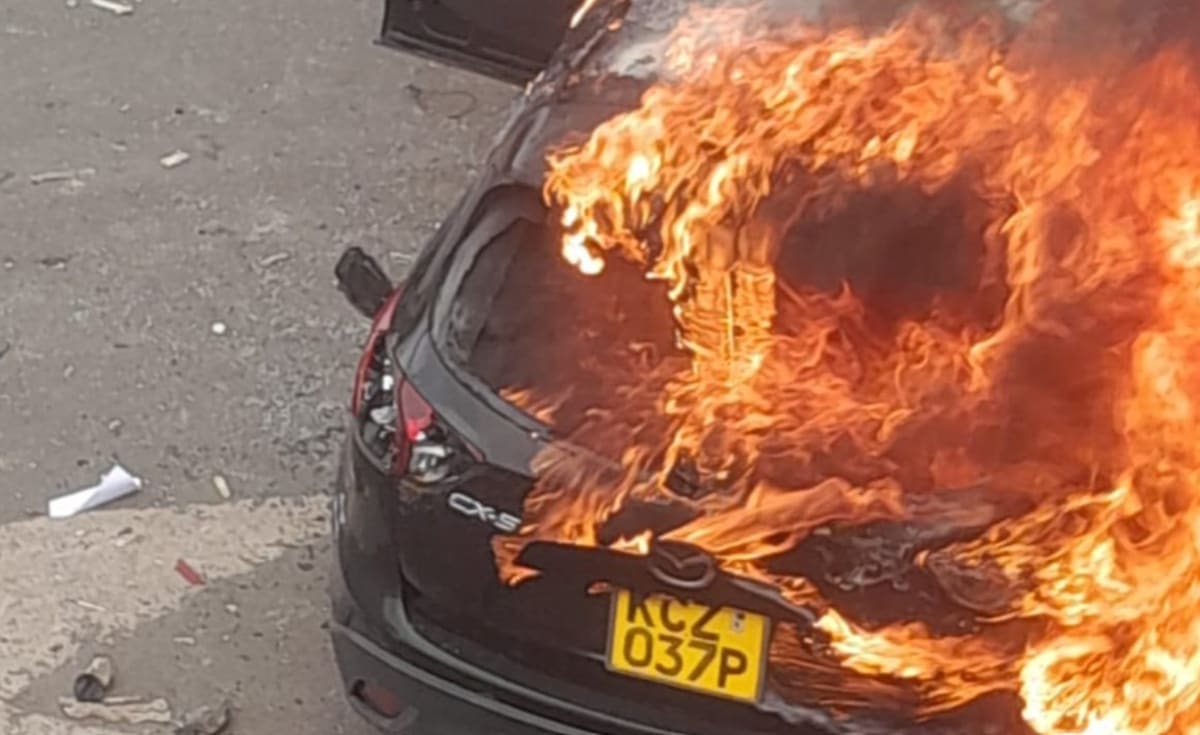
Transport leaders apologized to Kenyans for the chaos, especially after criminal groups infiltrated the protests and vandalized schools and businesses. "That was not us," said one Matatu Owners Association representative, explaining why they chose dialogue over continued disruption.
Albert Karakacha, president of the Matatu Owners Association, struck a unifying tone. "We want peace in this country and we want to be united so that we can move forward," he said. "Politics will come in 2027. Let's build our country."
President Ruto delivered tangible solutions at the negotiating table. He promised a 10 shilling reduction in diesel prices during the June-July pricing cycle, acknowledging how global fuel costs have hurt drivers and passengers alike.
The government also committed to reviewing insurance and auctioneering laws that have financially devastated many vehicle owners through aggressive repossessions. Additional talks will continue with the Ministry of Transport on weighbridge operations and regulations affecting passenger service vehicles.
The Ripple Effect
The resolution reaches far beyond just getting buses back on the road. Counties had lost significant revenue during the strike, affecting public services that depend on that income. Thousands of daily commuters who rely on affordable transport to reach jobs, schools, and healthcare can now resume their routines.
The talks also addressed digital taxi regulations and even preserved matatu culture by allowing continued use of graffiti and artwork on vehicles in a regulated way. Bank engagement for transport loan relief promises to help struggling drivers keep their vehicles and livelihoods intact.
Governor Johnson Sakaja earned praise for supporting negotiations that brought everyone to the table. The government maintained there is no fuel shortage in Kenya and urged citizens to stay calm as stabilization efforts continue.
Kenya chose conversation over confrontation, and everyone is moving forward together.
Based on reporting by AllAfrica - Headlines
This story was written by BrightWire based on verified news reports.
Spread the positivity!
Share this good news with someone who needs it