Kenya Hosts Historic Ocean Summit to Protect African Fishing
Kenya will host the first Our Ocean Conference on African soil this June, bringing global attention to how coastal communities depend on fish for survival. Marine scientists are pushing for policies that put local fishers first and protect food security.
For millions of people across Africa, fish is life. In some countries, fish provides more than half of all animal protein consumed, along with vital nutrients that children and mothers need to thrive.
This June, Kenya becomes the first African nation to host the Our Ocean Conference in Mombasa. The historic gathering brings a chance to reshape how the world thinks about ocean protection and who it truly serves.
Dr. Christina Chemtai Hicks, a marine conservationist who spent years measuring catches with Kenyan fishers, saw firsthand how deeply coastal communities are woven into the ocean's rhythms. But she also heard the same troubling story repeated along every coastline: fish are becoming scarcer, more expensive, and harder to catch.
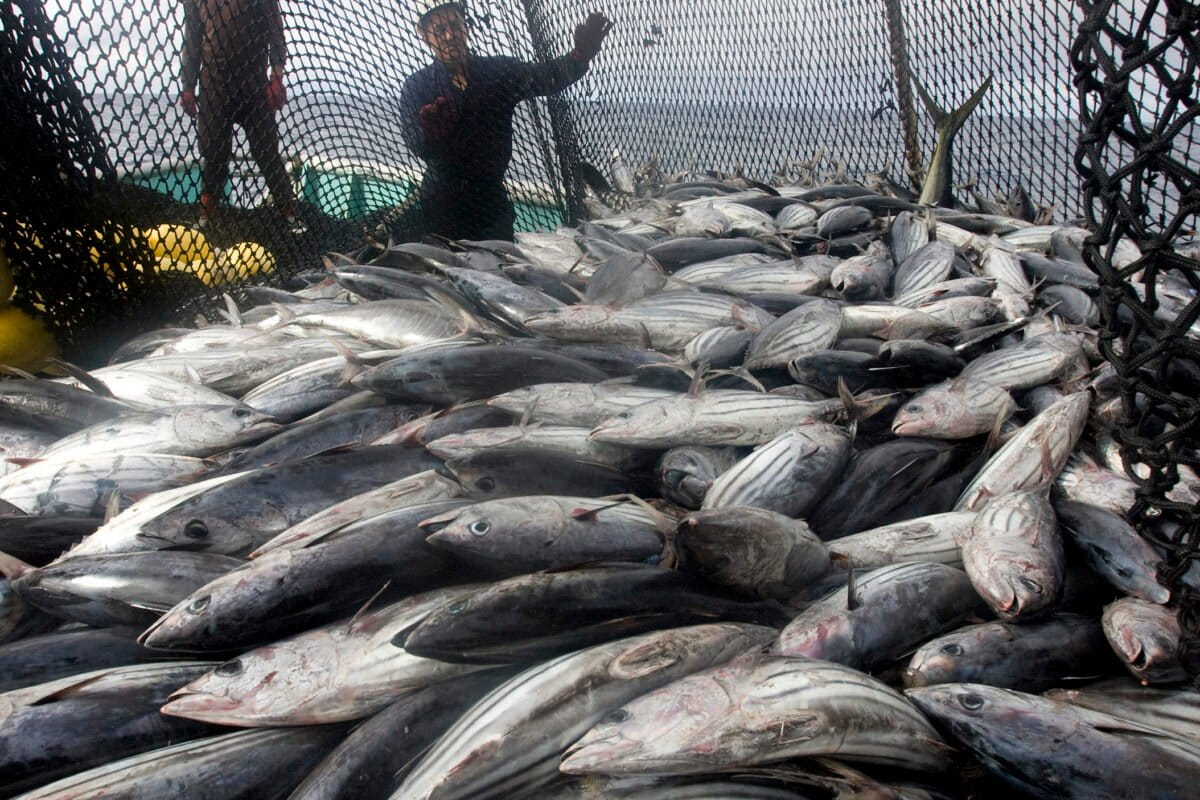
The problem isn't the artisanal fisher casting nets at dawn. Industrial fishing fleets, many foreign-owned, are extracting enormous quantities of fish from African waters with little transparency or accountability. That catch often gets exported abroad, processed into animal feed, or sold to wealthier consumers far from where it was caught.
The result is a growing food security crisis. More than 10% of the global population could face nutrient deficiencies as access to marine fish declines in coming decades, hitting vulnerable coastal communities hardest.
The Ripple Effect
African nations are seizing this moment to chart a different course. Scientists and policymakers are calling for three key changes that could restore both ocean health and community wellbeing.
First, governments should partner directly with artisanal fishers, traders, and processors whose knowledge is essential to effective management. These communities cannot be afterthoughts in decisions that shape their future.
Second, expanding inshore exclusion zones where industrial and destructive fishing is banned has shown real results. Evidence proves these protected coastal areas significantly increase catches for local fishers while helping fish populations rebuild.
Third, stronger monitoring of industrial fleets and better access to fisheries data can protect marine resources when paired with meaningful enforcement. Without compliance, even the best policies fail to deliver.
The good news is that oceans are resilient. Given the chance, fish populations recover, coastal ecosystems rebound, and livelihoods can be restored.
For too long, protecting the ocean and feeding people have been framed as competing goals, but the opposite is true. Protecting the ocean is essential to sustaining livelihoods and securing healthier futures for communities who have depended on the sea for generations.
More Images


Based on reporting by AllAfrica - Headlines
This story was written by BrightWire based on verified news reports.
Spread the positivity!
Share this good news with someone who needs it