Kenya Launches Carbon Registry to Unlock Climate Funding
Kenya just opened Africa's first national carbon registry, a breakthrough system that could help the continent claim its fair share of the $2 billion global carbon market. The platform tracks every carbon credit project, prevents fraud, and ensures local communities actually benefit from climate action.
Kenya just took a major step toward turning its forests and mangroves into climate solutions that pay.
The country launched its first national carbon registry this week, creating a transparent system to track carbon credit projects from start to finish. Think of it as a blockchain for climate action, where every tree planted and every ton of carbon captured gets verified and recorded.
The timing couldn't be better. Global demand for credible carbon offsets is exploding under the Paris Climate Agreement, but Africa currently receives less than 10% of carbon market investment despite holding some of the world's largest carbon sinks. Kenya's mangrove forests and conservation areas represent billions in untapped climate financing.
The registry solves a problem that's been holding Africa back: trust. Without centralized tracking, the same carbon reduction could be sold twice, or projects could claim environmental benefits they never delivered. Investors stayed away because they couldn't verify what they were buying.
Now every carbon project in Kenya gets a digital identity. The system tracks emissions reductions in real time, prevents double counting, and ensures communities hosting these projects receive their share of the revenue. Germany and other international partners backed the initiative specifically to build investor confidence.
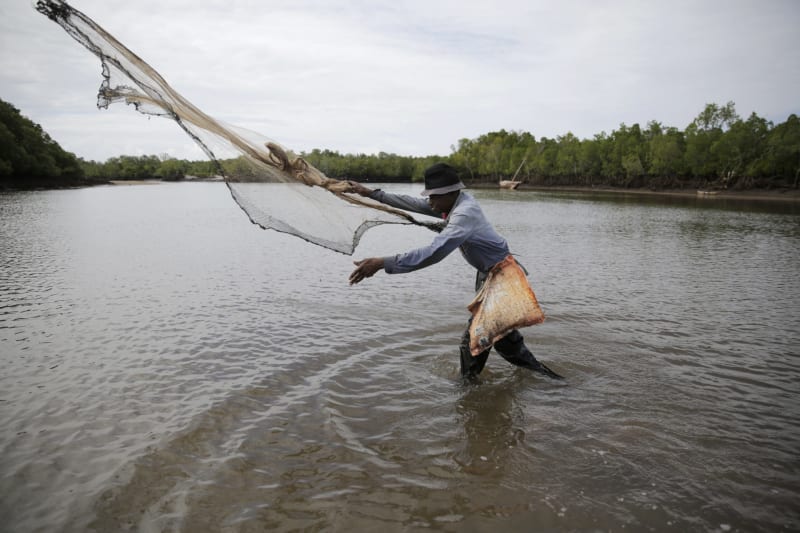
For Kenyan communities, this means real money flowing to areas that protect forests instead of cutting them down. Fishermen like 62-year-old Guni Mazeras, who casts his nets among the mangrove forests of Kwale County, could soon see direct payments for preserving the trees that shelter his catch.
The registry also aligns carbon projects with Kenya's national climate goals, creating a coordinated strategy instead of scattered efforts. Officials can now see which regions need support and which approaches work best.
The Ripple Effect
Kenya's move could reshape climate finance across Africa. Other nations are watching closely, and success here could trigger a wave of similar registries continent-wide. That would unlock billions in funding for communities that have protected natural carbon sinks for generations but never received compensation.
The platform also raises the bar for carbon market integrity globally. As greenwashing scandals plague voluntary carbon markets, Kenya's transparent approach shows how countries can participate without compromising credibility.
With verification systems in place and international backing secured, Kenya has positioned itself at the forefront of climate finance innovation where it matters most.
More Images



Based on reporting by Mongabay
This story was written by BrightWire based on verified news reports.
Spread the positivity!
Share this good news with someone who needs it