Kenya Launches Swift Response to Protect Nairobi Wildlife Park
When foamy chemicals threatened the world's only capital-city national park, Kenya's wildlife authorities jumped into action within hours. Three agencies are now working together to protect lions, rhinos, and critical water supplies serving thousands.
Kenya's wildlife protection teams are racing to contain suspected chemical pollution before it harms one of Africa's most unique nature preserves.
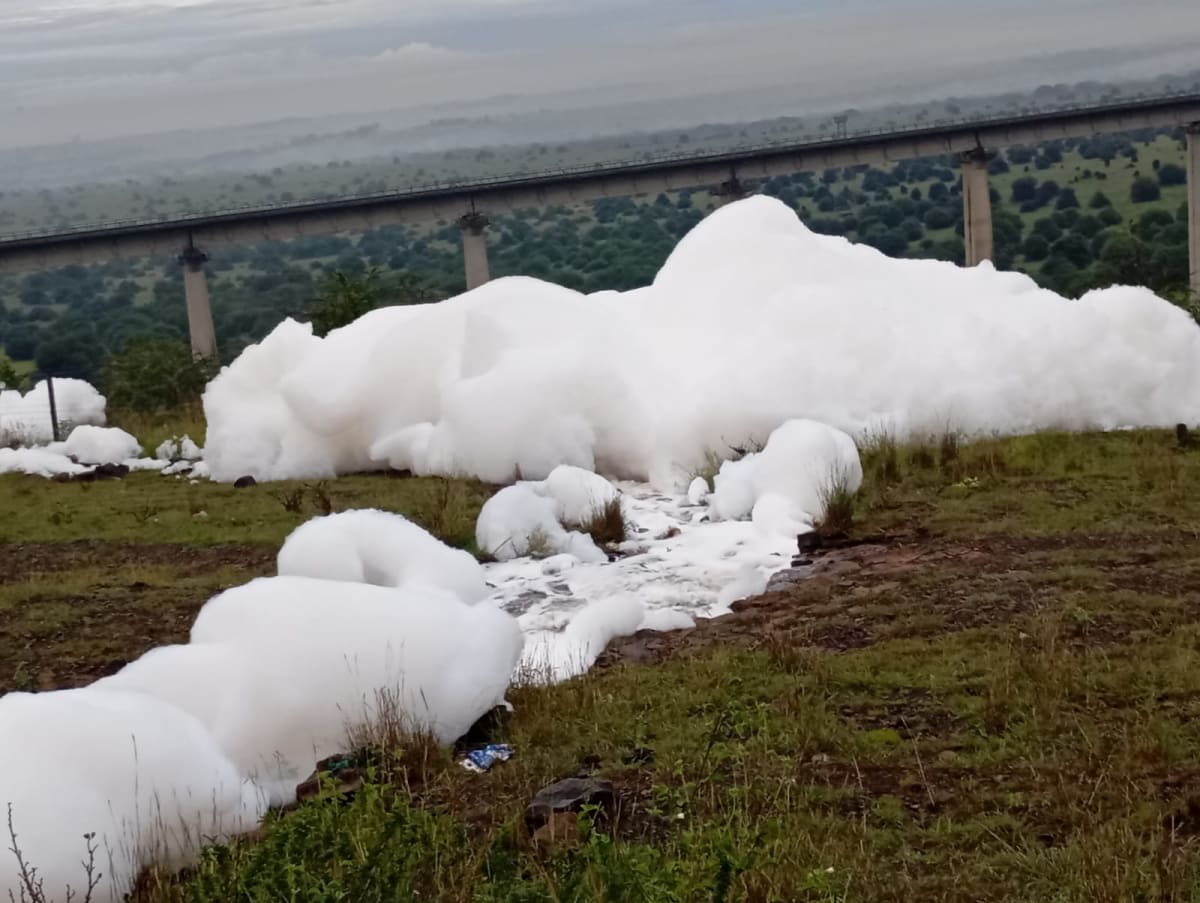
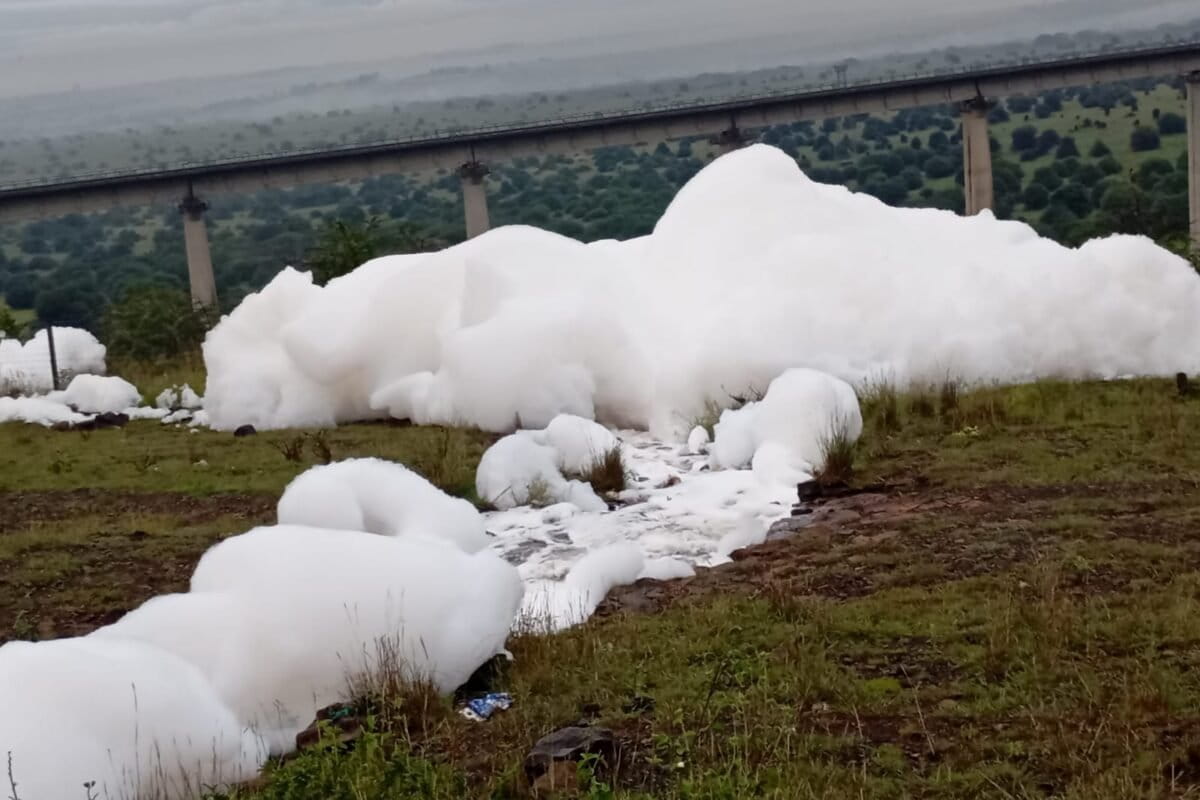
On April 30, 2026, Kenya Wildlife Service spotted white, foamy water flowing into Nairobi National Park through a drainage corridor. The abnormal discharge raised immediate red flags for a park that's home to lions, leopards, buffalo, and endangered black rhinos.
What makes this response remarkable is the speed. Within the same day, three government agencies launched a joint investigation to identify the pollution source, test the water, and stop the contamination from spreading.
Nairobi National Park has protected wildlife since 1946, making it the only national park in the world located inside a capital city. Its 45 square miles of grassland and forest sit right next to industrial zones, creating a delicate balance between nature and urban growth.
The foamy runoff flows toward the Athi Dam, which supplies water to farms, livestock, and communities downstream. Authorities issued precautionary warnings against fishing or using river water until testing confirms safety.
Investigators are examining areas near industrial facilities, including chemical manufacturers. The law prohibits dumping untreated waste into protected ecosystems, and officials promised strict enforcement against violators.
The park also runs a rhino sanctuary and an animal orphanage where injured wildlife receive medical care, making clean water essential for both wild and recovering animals.
The Bright Side
This story showcases how quickly governments can mobilize when ecosystems face threats. Instead of waiting weeks for bureaucratic approvals, three separate agencies coordinated their response in hours.
The immediate public warnings also protected human health before anyone could be harmed. Communities now know to avoid potentially contaminated water while experts work on solutions.
Kenya's transparency about the investigation shows growing accountability around environmental protection. Officials publicly named potential pollution sources and committed to legal consequences, sending a strong message that wildlife habitats matter.
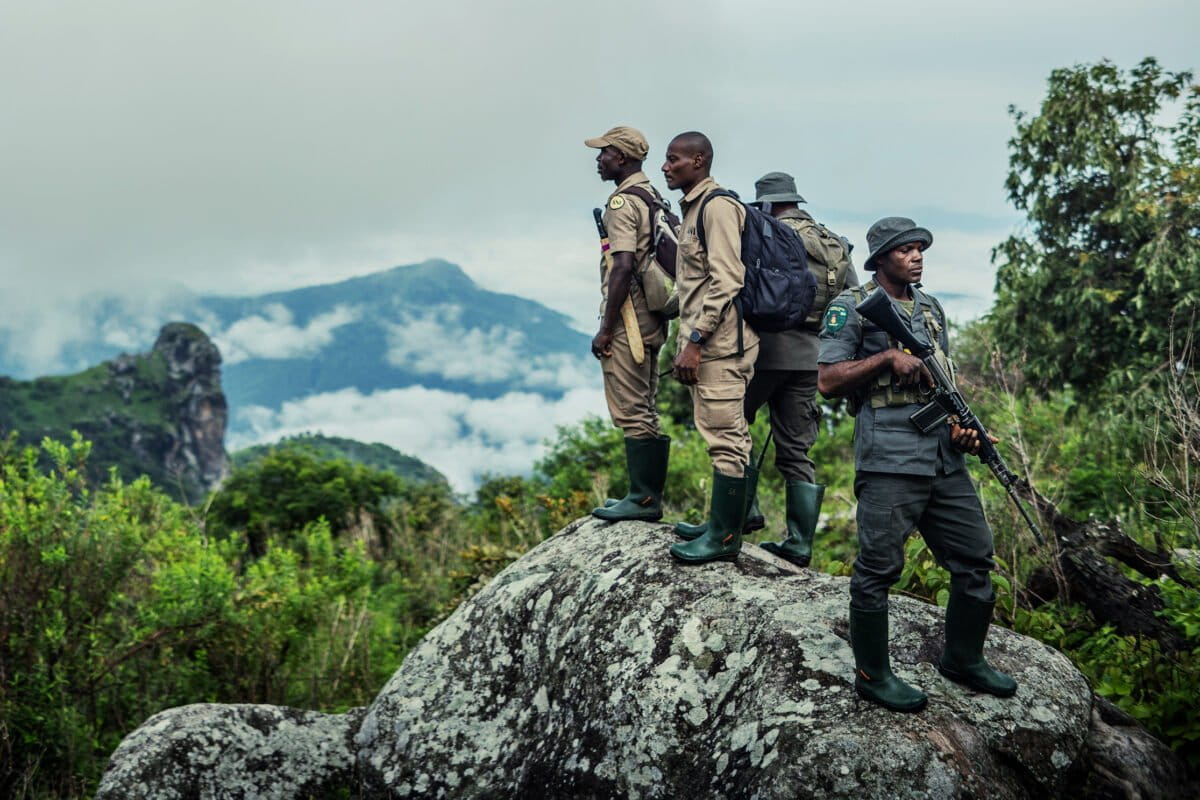
The country's investment in monitoring systems paid off too. Rangers spotted the unusual discharge quickly because they actively patrol drainage areas, catching the problem before it became a crisis.
Swift action and multi-agency teamwork are giving Nairobi's wild neighbors their best chance at staying safe.
More Images


Based on reporting by Mongabay
This story was written by BrightWire based on verified news reports.
Spread the positivity!
Share this good news with someone who needs it