Madagascar Plants 70 Hectares to Reconnect Lemur Homes
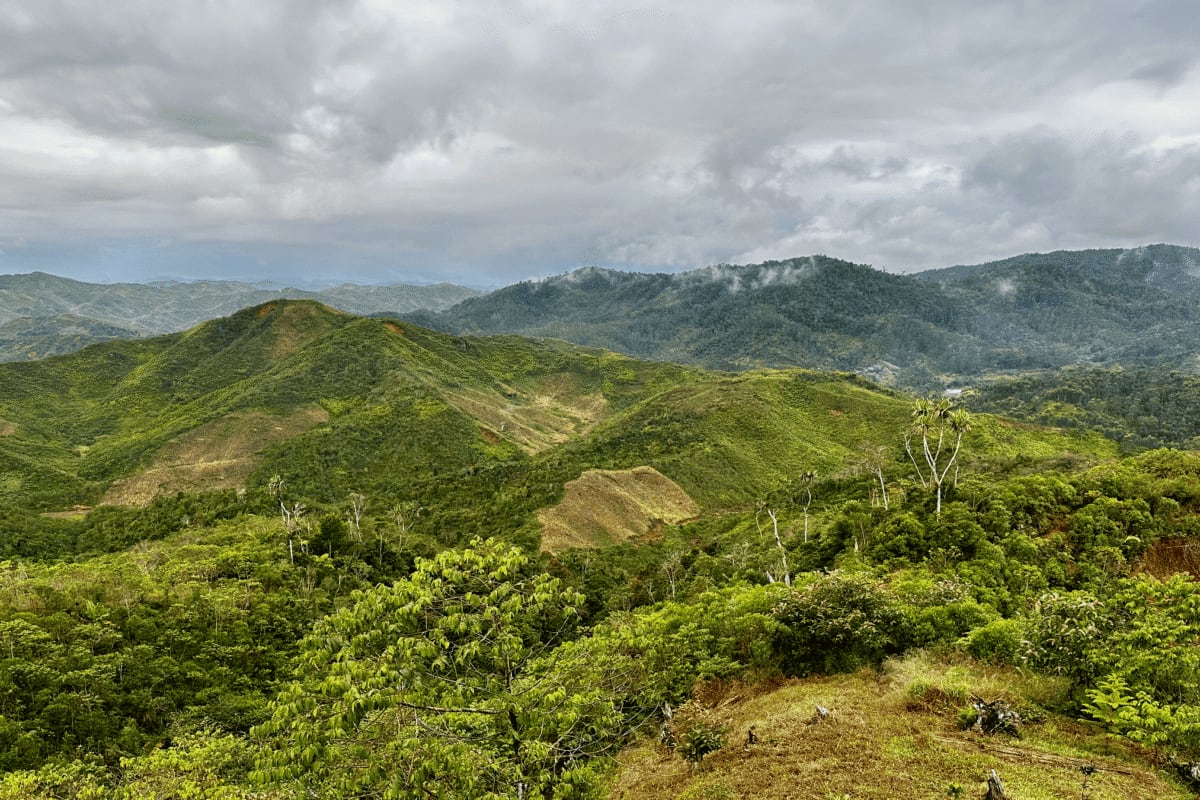
A wildlife corridor in Madagascar is already welcoming lemurs back after planting native forests across 70 hectares to reconnect two protected areas. The project combines cutting-edge science with community support to heal a landscape fractured 60 years ago.
In eastern Madagascar, a bold reforestation project is stitching back together a rainforest that was torn apart decades ago, and lemurs are already using their new highway home.
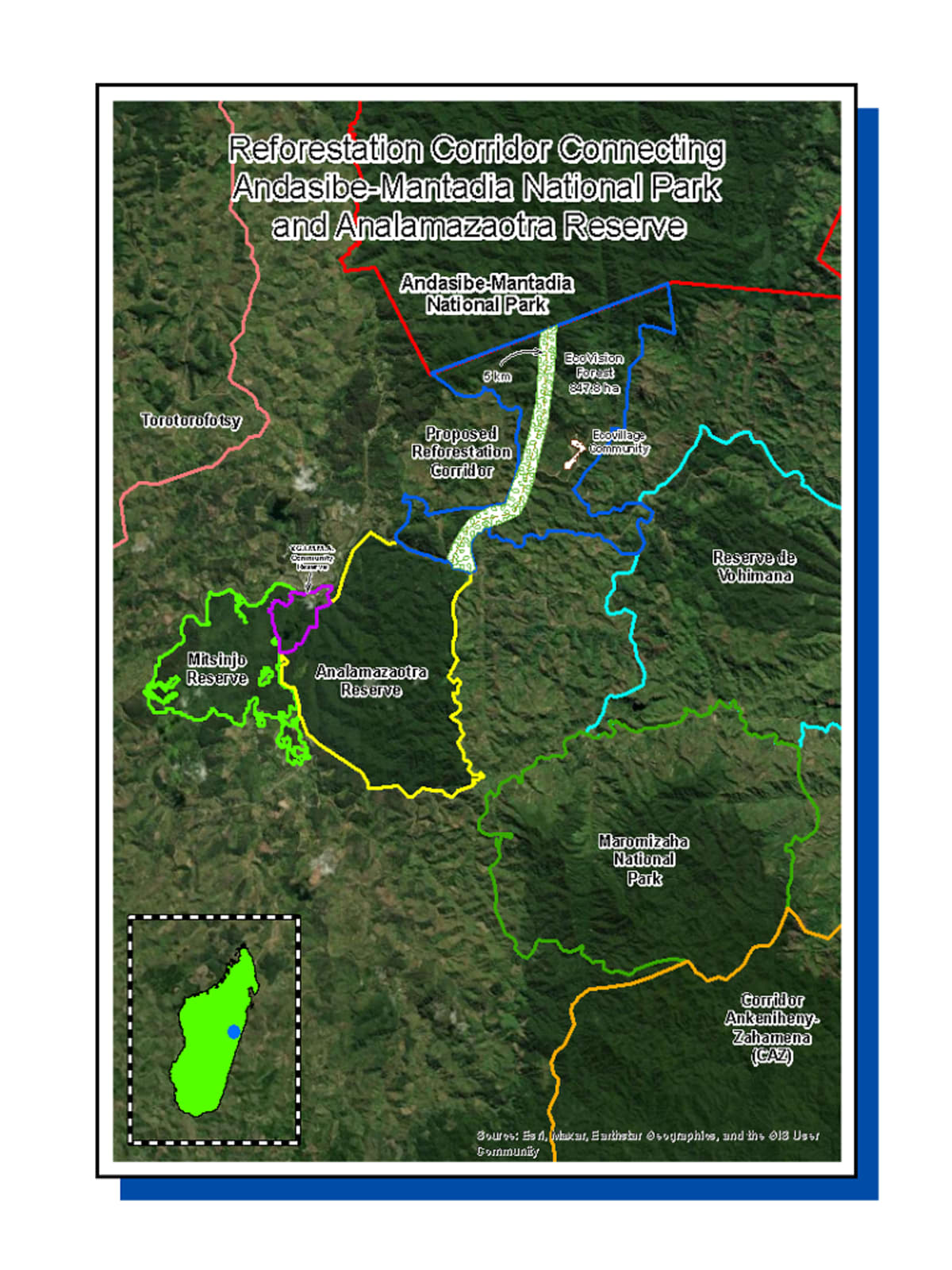
Andasibe-Mantadia National Park and the Analamazoatra Special Reserve were once connected by continuous rainforest, home to a dozen lemur species found nowhere else on Earth. In the 1960s, that living bridge was cleared for agriculture and cattle pasture, leaving wildlife stranded in isolated forest fragments.
Now a team of scientists, conservationists and local communities is rebuilding what was lost. The Mad Dog Initiative, partnering with The Dr. Abigail Ross Foundation for Applied Conservation and local groups, launched the corridor project in 2023 to restore 150 hectares of native forest across a 3.7-mile stretch.
So far, they've planted more than 100 native tree species across 70 hectares, all grown from seeds collected in nearby forests. The team focuses on species that lemurs prefer, ensuring the corridor provides not just passage but food and shelter.
The science behind the project is impressive. Half the planted seedlings were grown in soil mixed with mycorrhiza, beneficial fungi that boost plant health. Each week, field technicians visit the study plots to track every seedling's growth, location and survival.
The results exceed expectations. Seedling mortality sits at just 4 percent, far below typical rates for reforestation projects. Some trees planted in 2023 have already reached over six feet tall, and lemurs have begun exploring the young forest.
The Ripple Effect
This isn't just about saving lemurs. The project partners are investing in the people who live alongside these forests, understanding that long-term success depends on thriving communities.
They're building ecotourism opportunities that create jobs and bring income to local families. Healthcare and education programs address immediate needs while fostering stewardship of the recovering landscape.
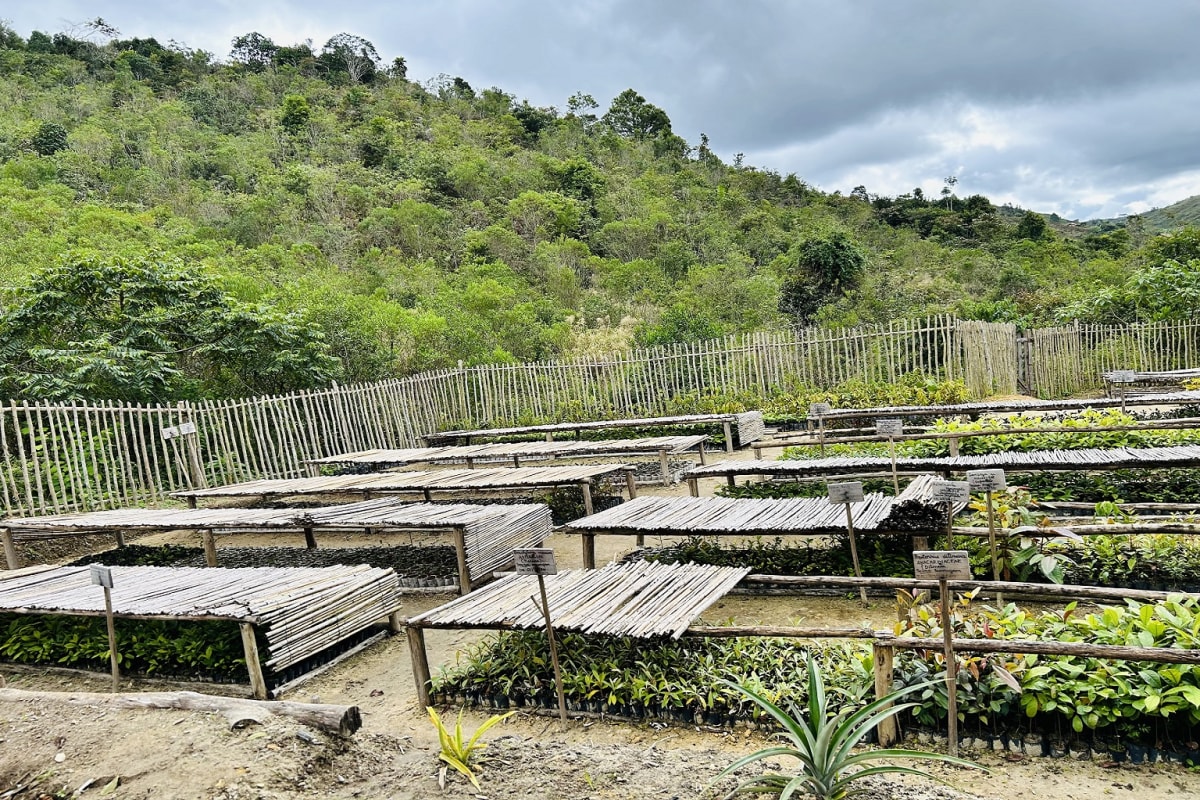
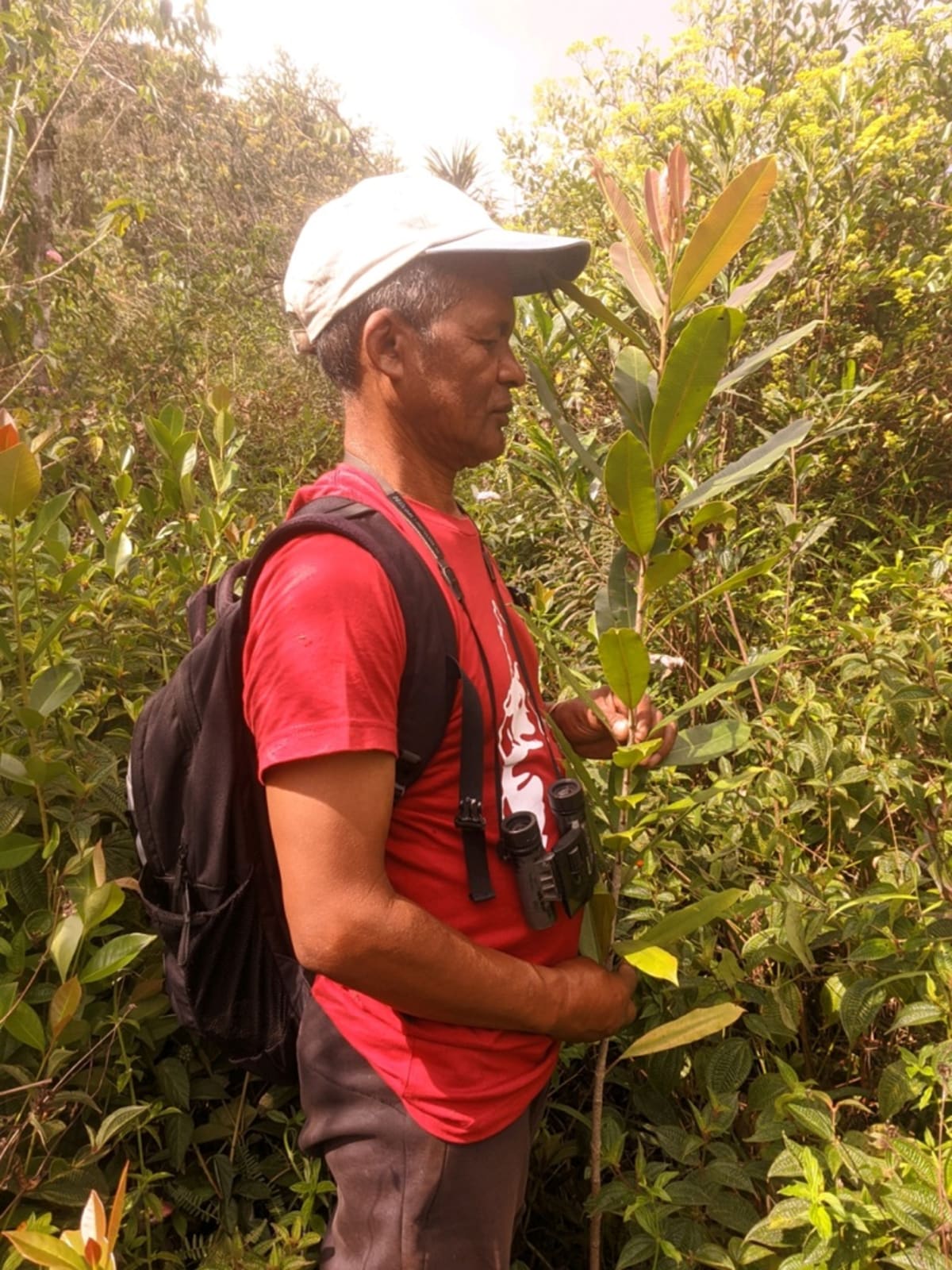
Two nurseries now employ local workers to grow native seedlings, including species so rare they haven't been formally described by science yet. A team of 13 field technicians, led by botanical expert Claude Rakotoarivelo, monitors the forest's recovery every single week.
Funding from Seacology, Re:wild, Lush cosmetics, and the IUCN SOS Lemurs program supports the work. The team expects to complete planting the full corridor by December 2027.
What started with a scientist looking at maps and imagining reconnected forests has become a living laboratory where conservation science meets community action. The young trees are already proving that fractured landscapes can heal when people work together with nature, not against it.
More Images
Based on reporting by Google News - Reforestation
This story was written by BrightWire based on verified news reports.
Spread the positivity!
Share this good news with someone who needs it